


Traditional medicines should be scientifically tested for efficacy, side effects against Coronavirus: WHO
The announcement comes on the heels of Madagascar’s president, Andry Rajoelina, promoting a plant-based cure that hasn't been tested.

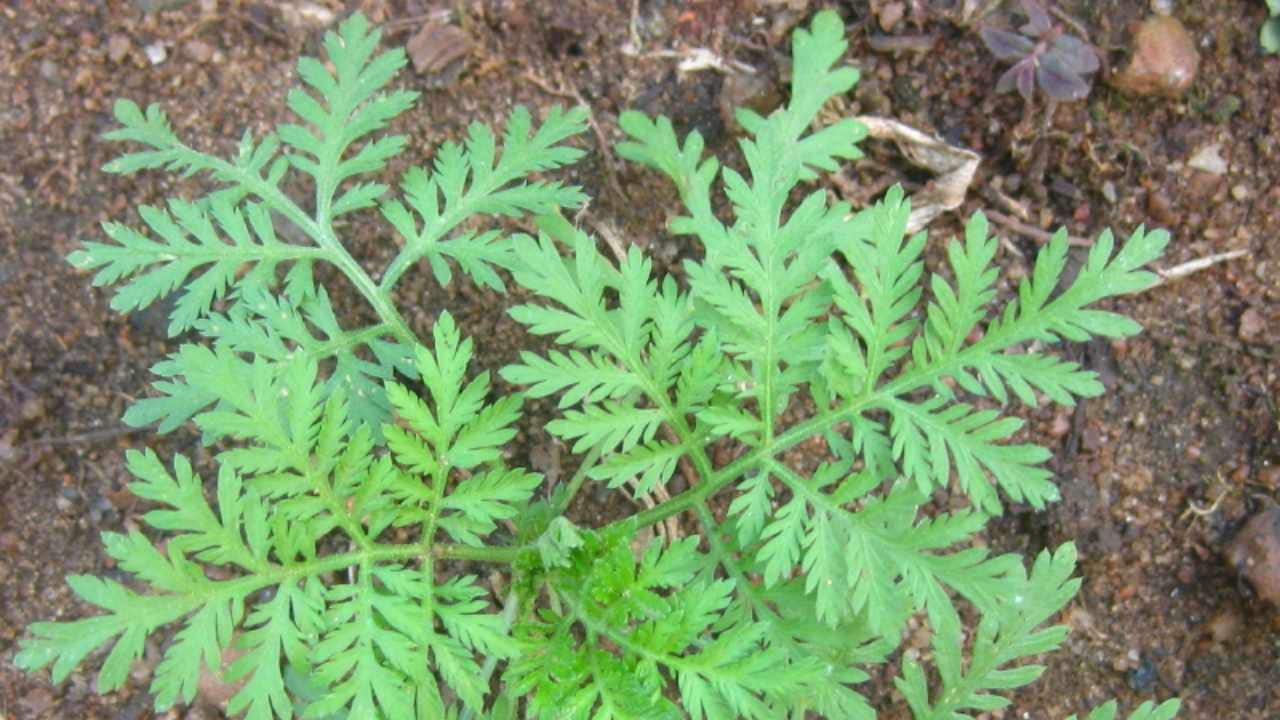
Artemisia annua or "Chinese wormwood", "Sweet wormwood" "Qing hao" is a medicinal plant with proven anti-malaria action. Image credit: Flickr/Ton Rulkens[/caption]“Even if therapies are derived from traditional practice and natural, establishing their efficacy and safety through rigorous clinical trials is critical,” the sub-Saharan Africa regional office of the WHO said in the statement.The WHO said it was working with research institutions to select traditional medicine products that can be investigated for clinical efficacy and safety for the treatment of COVID-19, the respiratory disease caused by the novel coronavirus.It said caution must be taken against misinformation, especially on social media, about the effectiveness of certain remedies as efforts were underway to find treatment for COVID-19.“Many plants and substances are being proposed without the minimum requirements and evidence of quality, safety and efficacy,” it said.It added that the use of products that have not been robustly investigated could put people in danger, give them a false sense of security and distract from preventive measures.

Stroke is rising among young adults. Doctor explains why it's happening and what you must do
Stroke in young adults, silent symptoms and late diagnosis: India's growing brain health challenge
Brain tumours aren't always fatal, but delayed diagnosis can be: Experts explain the key warning signs
Spices, health and the Indian plate: Why chilli can be good for you—but moderation is still key
Organ donation: 5 myths you need to stop believing, according to a transplant specialist