


Testing a COVID-19 patient's blood could let doctors know the severity of their infection
The researchers found that the levels of a particular cytokine in the blood upon diagnosis could be used to predict later outcomes.

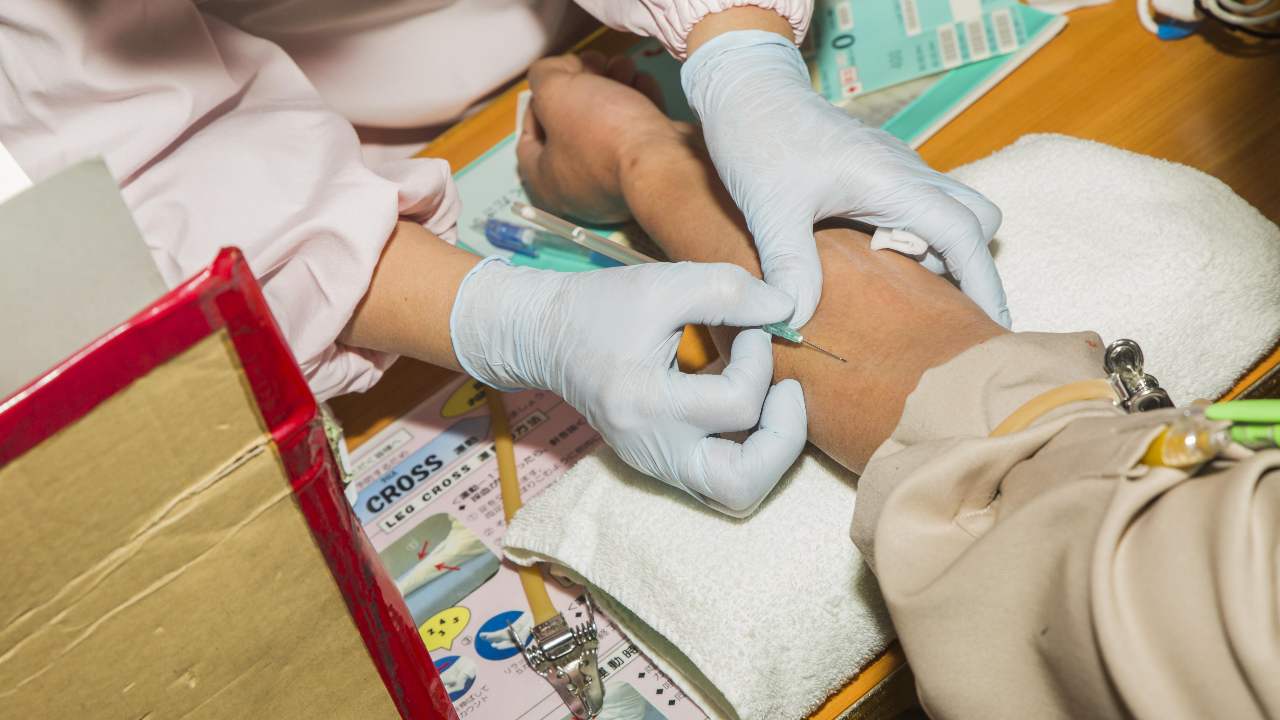
Doctors can examine the blood of COVID-19 patients to identify those at greatest risk of severe illness and to pinpoint those most likely to need a ventilator. Image credit: U.S. Marine Corps photo by Pfc. Stephen Campbell[/caption]The scientists, including Mayuresh Abhyankar from the University of Virginia (UVA) School of Medicine in the US, found that the levels of a particular cytokine in the blood upon diagnosis could be used to predict later outcomes.Cytokines — proteins produced by immune cells —are responsible for severe overreactions by the immune system, known as cytokine storms, associated with COVID-19 and other serious illnesses, the researchers said.They said the discovery could become part of a scoring system to let doctors flag at-risk COVID-19 patients for closer monitoring and personalised interventions.The finding also identifies cytokines doctors could target as a new treatment approach, according to the findings shared on the pre-print server medRxiv.org.The team identified 57 COVID-19 patients treated at UVA who ultimately required a ventilator.The researchers then tested blood samples taken from the patients within 48 hours of diagnosis or hospital admission.They compared the results with those from patients who did not wind up needing a ventilator.The researchers say additional research is necessary to determine how the cytokines are contributing to COVID-19 outcomes.

Stroke is rising among young adults. Doctor explains why it's happening and what you must do
Stroke in young adults, silent symptoms and late diagnosis: India's growing brain health challenge
Brain tumours aren't always fatal, but delayed diagnosis can be: Experts explain the key warning signs
Spices, health and the Indian plate: Why chilli can be good for you—but moderation is still key
Organ donation: 5 myths you need to stop believing, according to a transplant specialist