
Advertisement


Sections
Nipah Virus Outbreak: Five things you should do to keep yourself safe, uninfected
The first confirmed case in the suspected Nipah outbreak is a 23-year-old Keralite who tested positive.

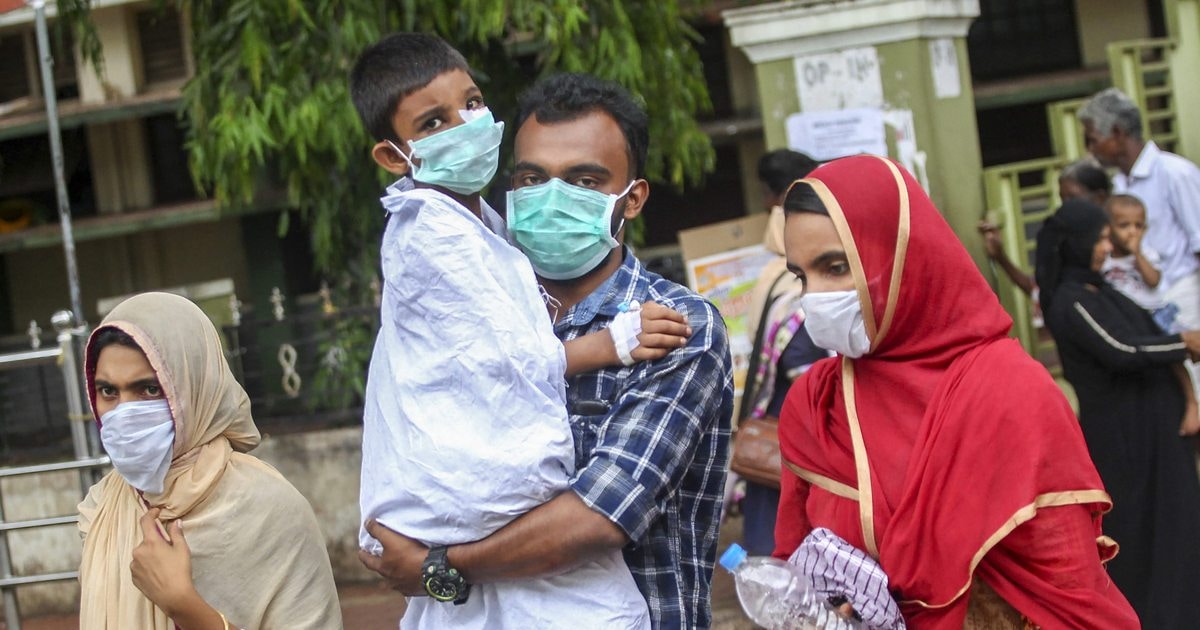
The first confirmed case in a suspected Nipah virus outbreak in Kerala is a 23-year-old man in Ernakulam who tested positive, with a deadly fever. The Kerala Health Minister, K K Shailaja, has said that all necessary precautions and remedial steps to curb the spread of the deadly disease are in place. The patient has been shifted to an isolation ward, and all the people he came in contact with have been called in for blood tests — all 86 of them, that is.The first known "outbreak" of a Nipah virus infection was in 1998 when over 100 people in Malaysia were found infected after contracting the virus from domesticated pigs. In India, the first outbreak was in the state of West Bengal in 2001, where fruit bats were the source.There are many things to be aware of and many things you can do to stay safe during a Nipah virus outbreak.![Kerala Health dept on alert after 'Nipah' virus outbreak]()
![Global distribution of Nipah and Hendravirus risk. Image: WHO]() Global distribution of Nipah and Hendra virus risk. Image: WHO[/caption]
Global distribution of Nipah and Hendra virus risk. Image: WHO[/caption]![A health agent prepares a vaccine during a campaign of vaccination against yellow fever in Rio de Janeiro]()
-
AVOID: Touching animals you don't know and love
-
AVOID: Buying fruits that are wrinkled, bitted or damaged in any way
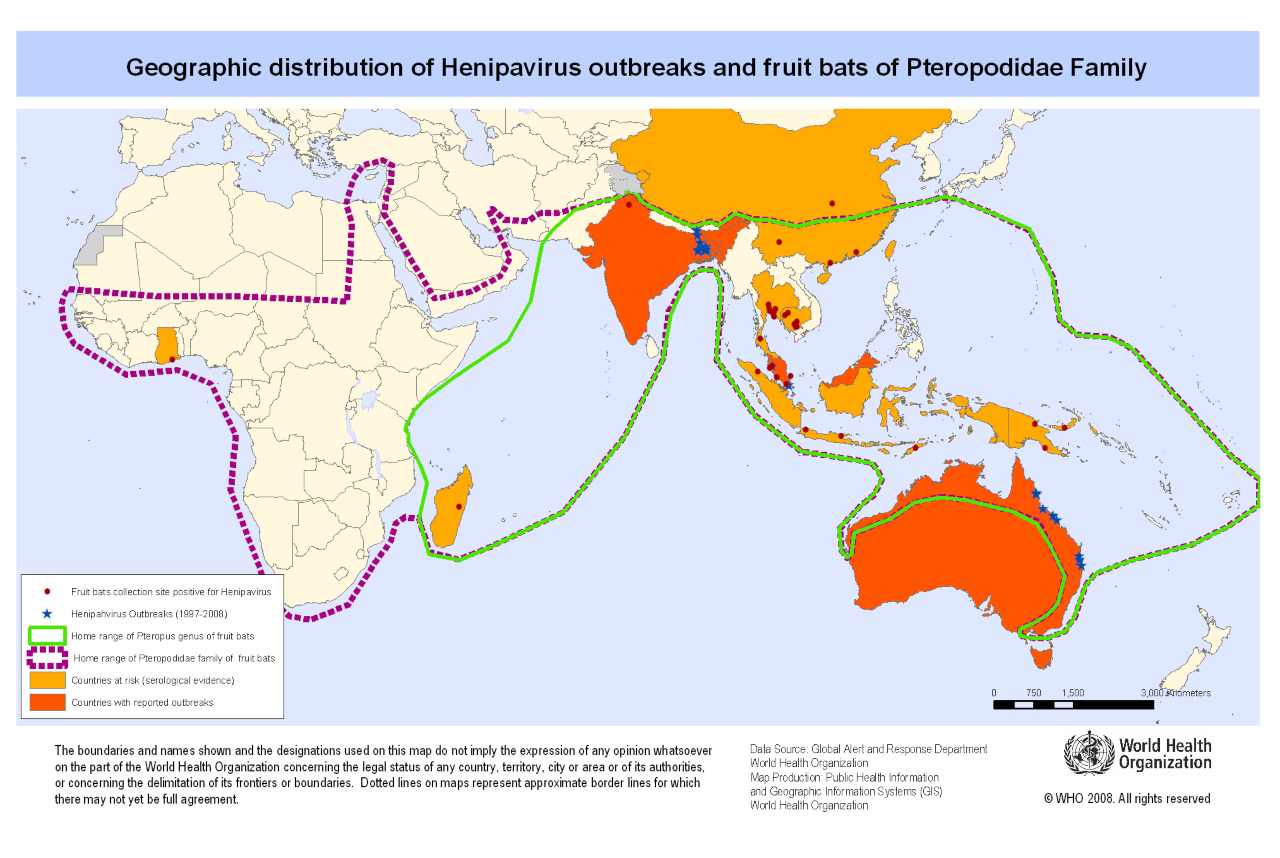 Global distribution of Nipah and Hendra virus risk. Image: WHO[/caption]
-
AVOID: Drinking anything fermented or stored in the open/under palm trees
-
AVOID: Touching anybody infected with the virus or their things
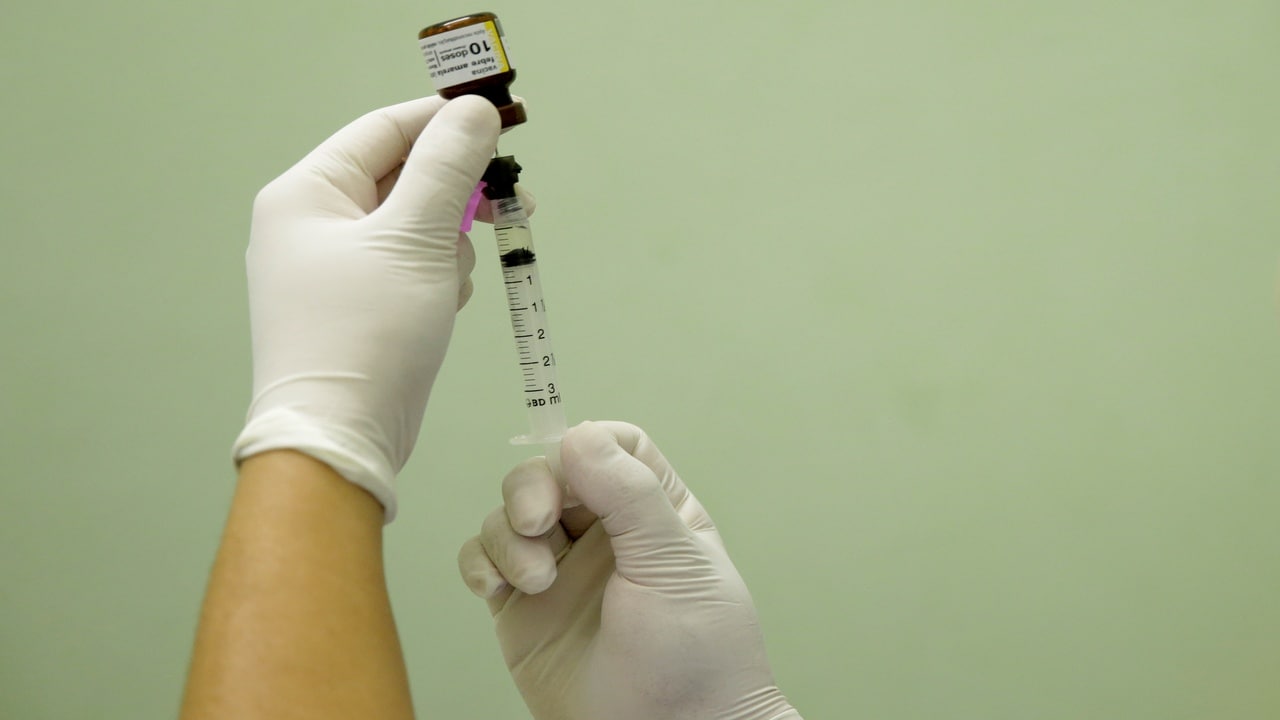
Is there a Nipah vaccine?
At present, no. Tackling the Nipah virus is a particularly difficult public health problem because there's no means of preventing an infection other than taking precautions.Most infectious diseases specialists, including Dr Benjamin A Satterfield from the Department of Microbiology and Immunology at the Mayo Clinic, suggest that tackling the risk factors are a better way of dealing with an outbreak than vaccines themselves.In Malaysia, measures are already in place to avoid further exposure or outbreak of Nipah virus. For instance, livestock like pigs and cattle, which can act as hosts, are kept isolated to prevent them from coming into contact with the virus. In humans, it is recommended that infected people and everyone they have come in contact with, or anyone showing symptoms of infection is quarantined, as the infection is highly contagious.Research is being done towards treatment, led by Pune-based National Institute of Virology. An antiviral known as Ribavirin has been shown as having a role in reduced mortality in patients with symptoms of Nipah virus infection. However, treatment consists of supportive measures given to the patient as and when needed.First Published:Jun 04, 2019, 15:06:34 IST
Advertisement
Advertisement

Stroke is rising among young adults. Doctor explains why it's happening and what you must do
Stroke is increasingly affecting adults in their 30s, 40s and 50s. Experts say unhealthy lifestyles, undiagnosed high blood pressure and delayed treatment are driving the rise in younger stroke cases
3 min read
Stroke in young adults, silent symptoms and late diagnosis: India's growing brain health challenge
Neurologists warn that stroke is increasingly affecting people in their 30s and 40s, while many brain disorders progress silently before symptoms appear. They say early diagnosis, timely referrals and healthier lifestyles are key to reducing India's growing neurological disease burden.
5 min read
Brain tumours aren't always fatal, but delayed diagnosis can be: Experts explain the key warning signs
Brain tumours are frequently mistaken for common headaches, stress or age-related cognitive changes. Doctors say recognising warning signs early and adopting a brain-healthy lifestyle can improve outcomes and reduce the risk of long-term neurological complications.
2 min read
Spices, health and the Indian plate: Why chilli can be good for you—but moderation is still key
From boosting metabolism to supporting heart health, chillies offer several surprising health benefits. But experts say the amount you eat matters, and too much spice can do more harm than good.
4 min read
Organ donation: 5 myths you need to stop believing, according to a transplant specialist
Organ donation has the power to transform and save lives, but this can happen only when myths are replaced with facts. Building awareness, having open conversations and understanding the process can help families make informed decisions.
2 min read
Advertisement
Advertisement