


India’s first-ever guidelines to manage diabetes in children, explained
India expands its national child health screening programme to include diabetes, responding to a sharp rise in cases among children. With early detection, community-level screening, and free lifelong care, the move aims to tackle both Type 1 and Type 2 diabetes and improve long-term health outcomes for young patients

India is redrawing the map of child health care by significantly expanding its flagship child screening programme to include diabetes, which was previously primarily an adult disease. The reason? A worrying increase in the cases of diabetes among children and adolescents.
At the heart of this effort is the Rashtriya Bal Swasthiya Karyakram (RBSK), a central government-run programme launched in 2013 that screens children aged 0 to 18 for health conditions.
With the addition of diabetes screening, the focus has shifted to identifying birth defects, deficiencies, diseases, and developmental delays, which were its focus earlier.
Under this programme, children under the age of 18 will be routinely checked.

How common is diabetes in India?
When it comes to diabetes, India has the dubious distinction of being the `capital’ of the world. With over 101 million people living with diabetes and 136 million prediabetics, projections suggest this could rise to 135-156 million by 2045-2050.
 More from Health
Many studies report a prevalence of 10.4 per cent to 11.4 per cent in adults.
Childhood diabetes is also witnessing an alarming surge. India has the highest number of children living with Type 1 diabetes (TD1) worldwide. One study indicated nearly 100,000 children in India have the disease, which is due to a genetic anomaly, with numbers rising annually.
What is more worrying is the rise of Type 2 diabetes (TD2), which is a lifestyle-related disease. According to statistics, India has about 40,000 children with Type 2 diabetes. Another study reports a prevalence of 12 per cent among adolescent boys.
How do the two types of diabetes vary?
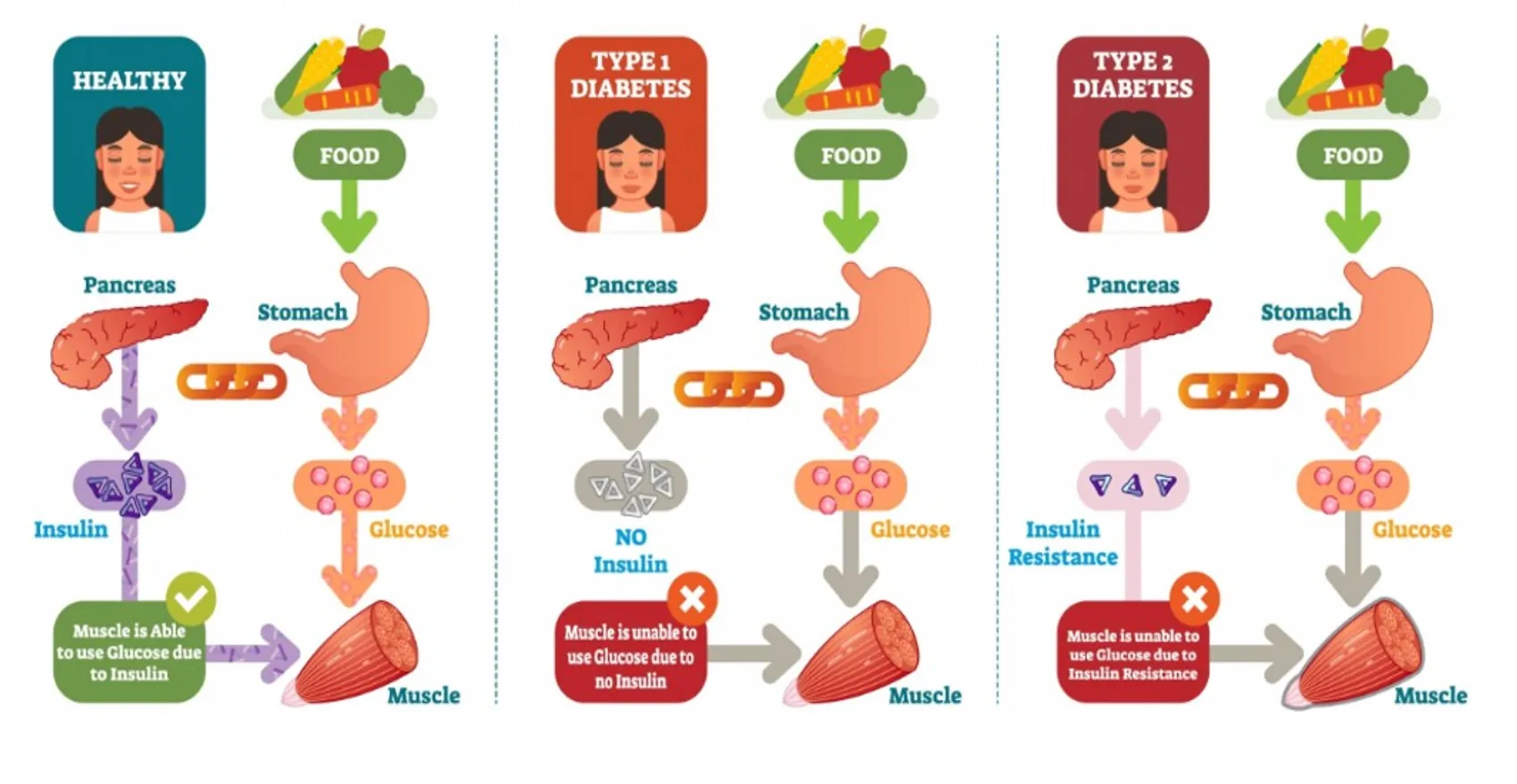
These are two very different diseases under one name. According to doctors, the guidelines underline a critical distinction that is often missed in public conversations.
Type 1 diabetes is an autoimmune condition where the body cannot produce insulin. It often begins around age six and 14 and requires lifelong insulin.
Type 2 diabetes is a lifestyle-related diabetes, generally driven by obesity, poor diet, and a sedentary lifestyle. It begins more gradually and may be managed by lifestyle changes if diagnosed early.
Dr Amrita Ghosh, consultant diabetologist (Pediatrics), Fortis C DOC, Delhi, says that while T1D cases are more commonly seen in children, the numbers have remained roughly the same over the years. T2D, however, is on the rise due to a sedentary lifestyle and rising obesity among children and adolescents.
Doctors say this dual burden means India’s healthcare system needs to be prepared for both.
Why is childhood diabetes a priority?
Over the past three decades, India has shown a significant reduction in child and neonatal (newborn) mortality; hence, focus has now shifted to ensuring that children lead healthy lives.
Diseases like diabetes, obesity, and hypertension are increasingly being diagnosed earlier in life.
Doctors warn that if diabetes begins in childhood, it carries longer-term complications if left undiagnosed. This is seen more in rural areas and urban India, where T1D remains undiagnosed, and children often come to hospitals only after developing severe complications.
Hence, the new guidelines are a welcome step.
“In India, most children with Type 1 Diabetes come to hospitals in very complicated conditions called diabetic ketoacidosis and severe hypoglycemia (low blood sugar). It is a life-threatening emergency and often requires ICU admission,” says Dr IPS Kochar, paediatric endocrinologist at Indraprastha Apollo.
Doctors say chronic, long-term complications, which may arise if blood sugars are not well-controlled, include nerve damage, vision problems (retinopathy), kidney damage, and cardiovascular diseases.
Early detection, however, improves the outcomes, allowing children to live relatively normal lives.
The 4Ts: Simple signs that save lives
This is the simplest and most powerful tool in the guidelines.
Identifying the early signs of diabetes and testing children for diabetes.
- Toilet: Frequent urination
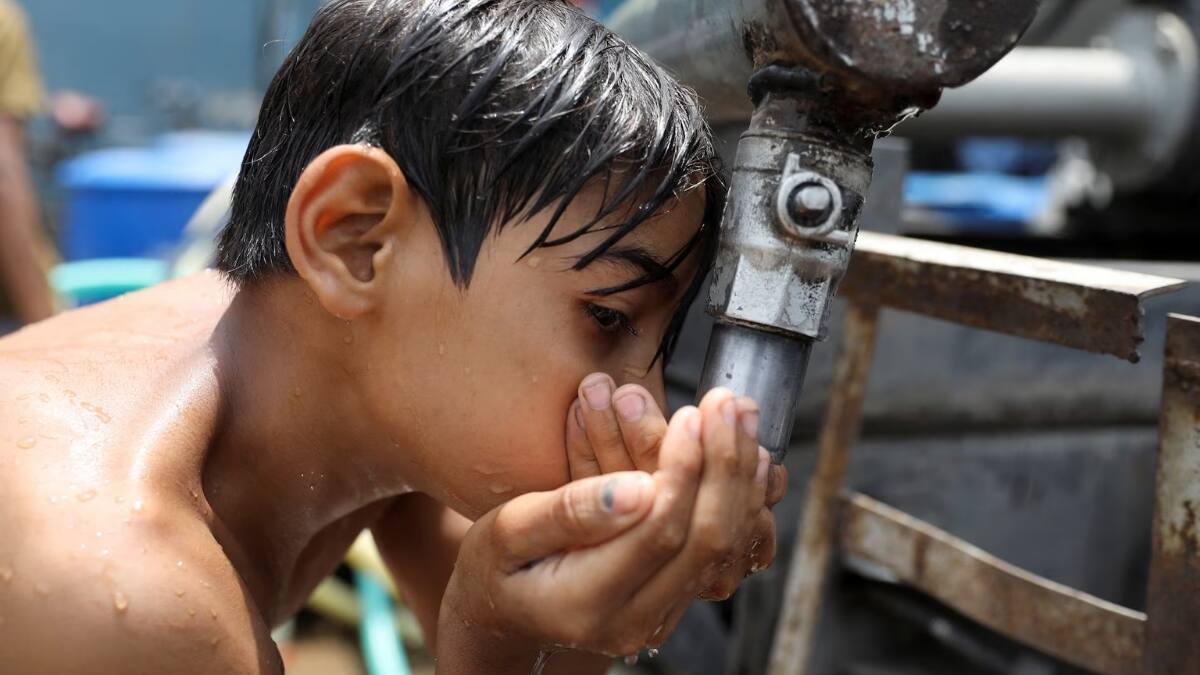
- Thirsty: Excessive thirst
- Tired: Unusual fatigue
- Thinner: Unexplained weight loss
From classroom to clinic: How does the system work?
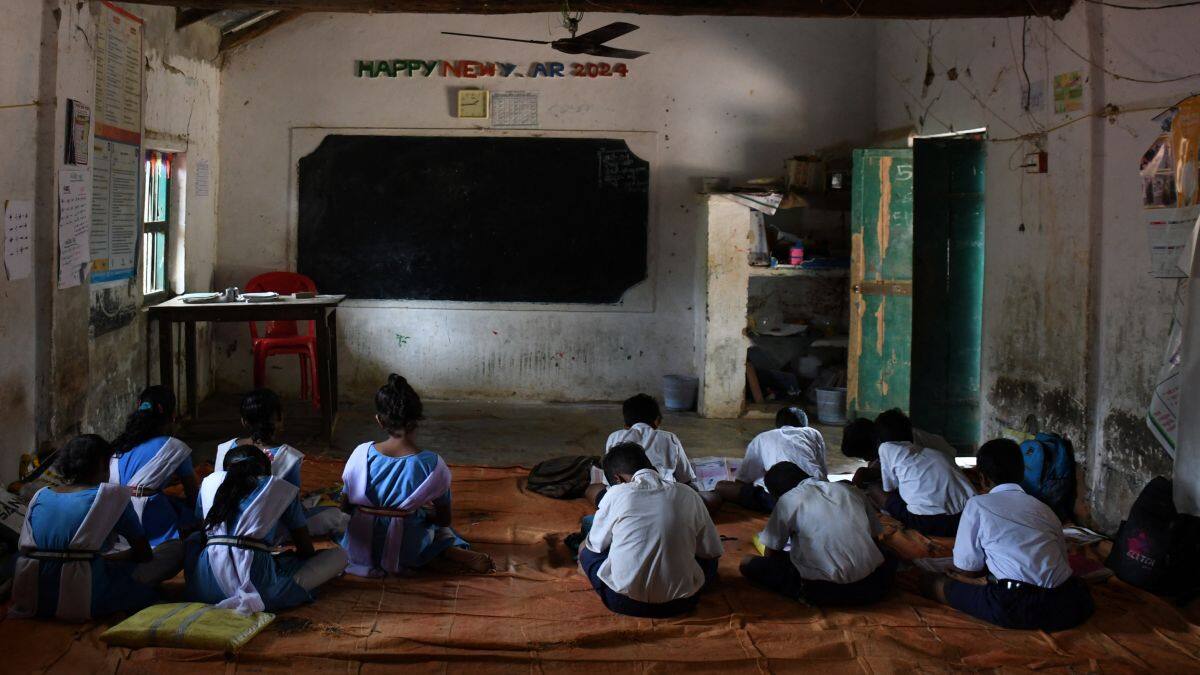
The programme creates connections between schools and hospitals.
Schools and angandwadi workers:
The screening starts at the grassroots level by workers like Aasha and angandwadi workers. Mobile health teams would also visit these locations for routine screening.
On-site blood testing:
Children with T4 warning signs would be immediately tested for blood sugar levels using glucometers.
Referral to district hospitals:
Any person who screens positive will be referred to the Non-Communicable Diseases (NCD) clinic set up at the district hospitals. These clinics will perform a confirmatory diagnosis of diabetes.
Free treatment and lifelong care:
Confirmed cases would be provided with comprehensive management and care, including treatment initiation; provision of essential drugs, insulin, and supplies for self-monitoring of blood glucose; follow-up care; screening for complications; and age-appropriate education and counselling.
The implementation of this current public health programme is estimated to significantly improve the quality of life and long-term survival.
“Providing lifelong insulin will be the biggest support for such children. The medicine is expensive and not often available to the rural population and the underprivileged. The step is welcome as it is trying to ensure no child falls through these cracks,” Dr Ghosh added.
Treating diabetes as a lifelong journey
“The diabetes care cannot stop with diagnosis; the lifelong follow-up is what will make a difference in a country like India, says Dr Kochar.
For children with Type 1 diabetes, management will include:
- Daily insulin injections.
- Frequent blood sugar monitoring
- Diet planning and physical activity
What makes this a potential first for India?
What makes this effort noticeable is its scale. While some high-income countries are running specialised programmes for childhood diabetes, India has become the first large nation to embed it within its public health system.
If implemented successfully, it could become a model for other countries.
Both Dr Ghosh and Dr Kochar say it would require extensive training for grassroots workers and a large number of monitoring devices, such as glucometers. “To become fully functional, the system might take time, but it is a great beginning,” Dr Ghosh says.
The guideline provides an overview of the operational framework for the diagnosis and management of diabetes among children and adolescents, including service delivery mechanisms, human resources, supplies and logistics, and the monitoring framework of the programme.
It laid out a structured care pathway for children and adolescents living with T1DM and T2DM during treatment initiation and follow-up visits. Be a referral document for addressing all issues and concerns related to childhood diabetes amongst all stakeholders.
The message of the guidelines is clear: childhood diabetes is no longer rare, and ignoring early signs can be fatal.
“With timely detection, structured care, and community awareness, this can be manageable. Awareness of any disease helps reduce the disease. It will help us reduce the burden of disease on the country,” Dr Kochar adds.
The strategy is simple: Catch it early, treat it right, and follow through for life.
Tags

Stroke is rising among young adults. Doctor explains why it's happening and what you must do
Stroke in young adults, silent symptoms and late diagnosis: India's growing brain health challenge
Brain tumours aren't always fatal, but delayed diagnosis can be: Experts explain the key warning signs
Spices, health and the Indian plate: Why chilli can be good for you—but moderation is still key
Organ donation: 5 myths you need to stop believing, according to a transplant specialist