
Advertisement


Sections
Here’s how your periods after pregnancy will be different from before
The fact is that your body, after going through 9 months of pregnancy, is now very different. Obviously, your period will not be the same as before.

Every adult woman gets used to managing her menstrual cycle since that first period arrives during the teenage years. She learns to go with the flow when the pain and discomfort (and the mood swings) visit every month. And then, pregnancy changes everything.Instead of getting a monthly visit from your painful friend, you experience no periods, lustrous hair and glowing skin (and even the mood swings, we're afraid). But once you’ve delivered your baby and taken your little bundle of joy back home, you might wonder when those periods will come back again. [caption id="attachment_4128555" align="alignleft" width="385"]![Representational photo]() Representational photo[/caption]The fact is that your body, after going through 9 months of pregnancy, is now very different. Obviously, your period will not be the same as before, so here’s everything you need to know about menstruating after a pregnancy.
Representational photo[/caption]The fact is that your body, after going through 9 months of pregnancy, is now very different. Obviously, your period will not be the same as before, so here’s everything you need to know about menstruating after a pregnancy.
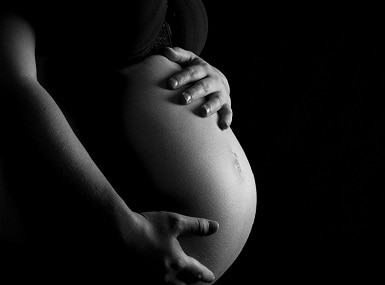 Representational photo[/caption]The fact is that your body, after going through 9 months of pregnancy, is now very different. Obviously, your period will not be the same as before, so here’s everything you need to know about menstruating after a pregnancy.
That’s lochia, not your period
Yes, you will experience vaginal discharge right after giving birth, vaginally or through C-section - and it can be quite heavy too. But don’t think for a minute that this vaginal discharge is your period because it’s not. It’s actually something called lochia, the blood and tissue in your uterus that was supporting your baby all these months. Now that your baby has been delivered, your body does not need these and discharges them over 4 to 6 weeks. Lochia smells stale and is usually dark red and thick on the first 3-4 days after delivery. You'll need maternity pads instead of regular pads during this time. Over the next few days, it turns lighter in colour and viscosity, and slowly peter out. The biggest mistakes you can make during this period are to wear a tampon or have sex. Nothing should enter your vagina for 4 to 6 weeks after delivery.To breastfeed or not to breastfeed
It’s quite difficult to determine exactly when after delivery your first period will start, but it roughly depends on whether or not you are breastfeeding. According to the UK’s National Health Service (NHS), if you bottle-feed your baby from the start or combine bottle-feeding with breastfeeding, your first period could start 5-6 weeks after your delivery. On the other hand, if you’re exclusively breastfeeding — which is recommended by the World Health Organization for the first 6 months of your baby’s life — then your first period will not start until you stop breastfeeding. Why this variation? Because when you’re lactating, your body produces a hormone called prolactin. This hormone can mess with other reproductive hormones and delays the period until the prolactin production in your body reduces or stops. After the 6-month duration, as you reduce the breastfeedings your baby needs, your other hormone levels will increase as the prolactin levels decrease, and you’ll finally have your first period.Your first period after pregnancy is here
No matter when your first period after pregnancy occurs, it is bound to be slightly different from the type of menstruation you've experienced before. According to the NHS, the following are likely to happen:- Irregular periods, especially if it starts while you are still partially breastfeeding.
- Cramping, which could be better or worse than before you got pregnant.
- Heavier periods are also quite normal after pregnancy.
- There might be small blood clots in your periods.
First Published:Feb 25, 2020, 18:42:20 IST
Advertisement
Advertisement

Stroke is rising among young adults. Doctor explains why it's happening and what you must do
Stroke is increasingly affecting adults in their 30s, 40s and 50s. Experts say unhealthy lifestyles, undiagnosed high blood pressure and delayed treatment are driving the rise in younger stroke cases
3 min read
Stroke in young adults, silent symptoms and late diagnosis: India's growing brain health challenge
Neurologists warn that stroke is increasingly affecting people in their 30s and 40s, while many brain disorders progress silently before symptoms appear. They say early diagnosis, timely referrals and healthier lifestyles are key to reducing India's growing neurological disease burden.
5 min read
Brain tumours aren't always fatal, but delayed diagnosis can be: Experts explain the key warning signs
Brain tumours are frequently mistaken for common headaches, stress or age-related cognitive changes. Doctors say recognising warning signs early and adopting a brain-healthy lifestyle can improve outcomes and reduce the risk of long-term neurological complications.
2 min read
Spices, health and the Indian plate: Why chilli can be good for you—but moderation is still key
From boosting metabolism to supporting heart health, chillies offer several surprising health benefits. But experts say the amount you eat matters, and too much spice can do more harm than good.
4 min read
Organ donation: 5 myths you need to stop believing, according to a transplant specialist
Organ donation has the power to transform and save lives, but this can happen only when myths are replaced with facts. Building awareness, having open conversations and understanding the process can help families make informed decisions.
2 min read
Advertisement
Advertisement