


Hantavirus vs Covid: Which infection is more dangerous?
The hantavirus outbreak has got the world worried. With five confirmed cases on board the MV Hondius, people are drawing comparisons to the 2020 coronavirus pandemic. But the two infections are very different. The pathogen on the cruise ship is more lethal but less contagious than Covid

The world’s population is once again plunged into a state of alert after the spread the hantavirus is experiencing. An outbreak of hantavirus on board the MV Hondius cruise ship has prompted many to make comparisons between the rodent-borne infection and coronavirus.
That’s because once again we are witnessing scenes of health officials in hazmat suits evacuating patients and terms such as isolation and contact tracing back in our daily lingo.
However, amid a stream of alarmist headlines, the World Health Organization (WHO) has emphasised that the risk to the general public is very low. “I want to be unequivocal here. This is not the start of a Covid pandemic,” said Maria Van Kerkhove, the director of epidemic and pandemic management at the WHO, speaking at a press conference on Thursday (May 7). “This is not Covid, this is not influenza. It spreads very, very differently.”
 More from Health
- Catch live updates from the hantavirus outbreak here
This begs the question: What’s the difference between the two? Which one is deadlier?
Covid and Hantavirus, explained
Coronavirus is caused by the SARS-CoV-2 virus and mainly affects the respiratory system.
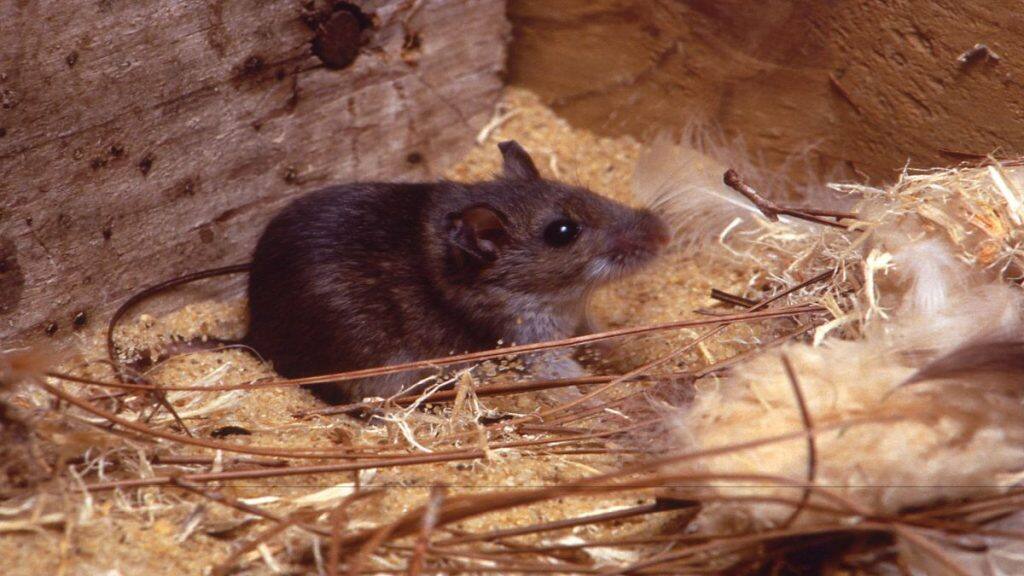
On the other hand, hantavirus is a zoonotic disease; this means that it jumps from animals (specifically rodents) to humans. It is spread through contact with infected rodent urine, droppings, or saliva. People are typically exposed to hantavirus around their homes, cabins or sheds, especially when cleaning enclosed spaces with little ventilation or exploring areas with mouse droppings.
Human-to-human transmission is extremely rare. Of the many strains of hantavirus, only the Andes strain results in the infection jumping from one human to another.
Symptoms of Covid vis-a-vis hantavirus
Not much difference lies in the initial symptoms of both infections. Those afflicted by coronavirus will complain of symptoms such as dry cough, fever, shortness of breath, muscle fatigue, and loss of smell.
Hantavirus, according to experts, starts out like the flu. One will experience fever, chills, muscle aches, and maybe a headache — much like the flu.
However, as both diseases progress, the symptoms change. The coronavirus shows up in the form of respiratory illnesses, whereas hantavirus can cause severe respiratory complications as well as kidney issues. Experts note that hantavirus can cause hantavirus pulmonary syndrome, in which patients might experience tightness in the chest as the lungs fill with fluid. The other syndrome caused by hantavirus is known as haemorrhagic fever with renal syndrome, which can cause bleeding, high fever, and kidney failure.
Incubation period: Covid vs Hantavirus
A major difference between the two infections is their incubation period, meaning how long after one is affected do they show signs of illness.
In Covid, the incubation period varied, but experts noted that it was two to 14 days, with an average of five to six days. This means once you are infected with coronavirus, it can take this period of time for one to exhibit symptoms.
In hantavirus, the incubation period is one to three weeks. In cases of hantavirus pulmonary syndrome, the symptoms show up between one and eight weeks after contact with an infected rodent. While haemorrhagic fever with renal syndrome usually develops within a week or two after exposure.
Transmission and lethality
Apart from incubation, Covid and hantavirus differ in the way it transmits and its lethality. When Covid first broke out, it was believed that the infection only transmitted through saliva droplets. But that wasn’t the case. It was soon discovered that Covid was transmitted through the air, via breathing, like a common cold. It can also spread through infected surfaces.
But that isn’t the case for hantavirus. In most hantavirus cases, it spreads from rodent to human. This occurs through their faeces, in very specific contexts, and generally only through certain species.
However, the Andean strain — likely the one detected on the MV Hondius — can be transmitted between humans. But very close and direct contact through bodily fluids is necessary. Sabra Klein, a professor in the molecular microbiology and immunology department at the Johns Hopkins Bloomberg School of Public Health, was quoted as telling NBC News, “The majority of hantaviruses cannot be spread through human-to-human spread. Andes virus, as a hantavirus, requires a significant degree of contact with bodily fluids. In the original reports that came out in the early 2000s, case studies show spread between married couples, people who live together and are intimate. That is where you have the spread.”

This makes hantavirus less susceptible to becoming a huge pandemic, unlike Covid-19.
However, when it comes to which is the more dangerous infection, it is the hantavirus.
In the case of the coronavirus, in 2020, the case fatality rate was estimated at 1.7 per cent, with enormous differences by age: 0.01 per cent in children aged one to 14, 4.7 per cent in people aged 65 to 74, 12 per cent between 75 and 84, and 23.6 per cent in those over 85. All of this was before vaccines and before most of the population had been exposed to the virus.
On the other hand, the hantavirus is more serious. The Andes strain is particularly deadly, killing nearly 40 per cent of those infected. The strain found in the southwestern US, called the Sin Nombre strain — the most common type of hantavirus, which was discovered in the US in 1993 — has a 25 per cent fatality rate.
Treatment of Covid & hantavirus
Once the coronavirus was deemed a pandemic, experts rushed to create a vaccine for it. Meanwhile, there is no cure for hantavirus.
In conclusion, it is pretty evident that coronavirus and hantavirus are very different from one another. Moreover, the MV Hondius outbreak won’t result in a larger Covid-like pandemic. As Steven Bradfute, an associate professor at the University of New Mexico Health Sciences Centre, told the New York Times: “It’s good to be cautious, but there’s no need for concern over a global outbreak.”
With inputs from agencies
Tags

Stroke is rising among young adults. Doctor explains why it's happening and what you must do
Stroke in young adults, silent symptoms and late diagnosis: India's growing brain health challenge
Brain tumours aren't always fatal, but delayed diagnosis can be: Experts explain the key warning signs
Spices, health and the Indian plate: Why chilli can be good for you—but moderation is still key
Organ donation: 5 myths you need to stop believing, according to a transplant specialist