
Advertisement


Sections
Five yummy brain foods that improve alertness, focus and memory
Are there specific foods you can eat to improve alertness, focus and memory? We asked nutritionists around the country to share some recipes.

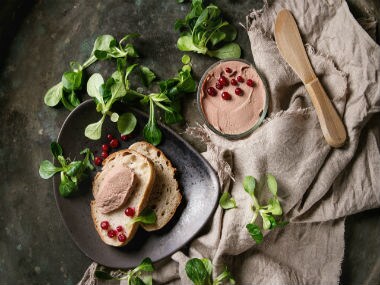
If you grew up eating soaked almonds with a spoonful of honey every day, then you probably also grew up knowing that some foods are better for the brain than others.A few years ago, researchers developed the perfect diet to keep dementia at bay. Aptly called MIND, the diet combined the famous Mediterranean diet which keeps the heart healthy and the DASH diet to control blood pressure. MIND has benefits for people of all ages, though it was originally made for older people.[caption id="attachment_7712661" align="alignleft" width="380"]![Representational image. Image source: Getty Images.]() Representational image. Image source: Getty Images.[/caption]But what if you’re a 20-something looking for ways to boost your brainpower in these all-too-crucial years in your career? Are there specific foods you can eat to improve alertness, focus and memory? We asked nutritionists around the country to share some recipes.1. Chicken liver pate: Our brains love B vitamins, especially B-3, B-9 and B-12. And chicken and goat livers are chock-full of them.B-vitamins help the brain to remain focussed and alert. Moreover, these are also necessary to convert the nutrients into neurotransmitters like serotonin to carry out the mitochondrial functions properly.How to make it: Saute finely chopped onions in butter. Add cleaned and chopped chicken livers. Saute for about 2 minutes till they are lightly browned on the outside. Let them cool. In a blender, add the sauteed liver, a little bit of butter, cream, salt, pepper and thyme (you can also add ginger powder to taste). Give the ingredients a good churn, smear on toast or a cracker for a delicious, healthful treat. Chicken livers are super-rich in iron and vitamin A, so limit them to once a week.Vegetarian option: Soy milk is rich in B12, and asparagus, avocados and green leafy vegetables are excellent sources of B9.2. Avocado toast: Our brain needs vitamin C to produce a neurotransmitter called norepinephrine which helps in improving focus by regulating our attention and response actions. Avocados are packed with nutrients like this water-soluble vitamin that boost immunity along with improving brain function.How to make it: Cut a ripe avocado in two. Remove the pit. Use a spoon to scoop up the buttery avocado, mash and spread on toast. Season to taste.Party option: Cut the toast into delicate finger-food size before you smear the avocado. Or if you can’t get a hold of avocados, try this simple honey-orange-and-grilled-chicken salad for your vitamin C boost: marinate three chicken breasts in half a cup of orange juice, four teaspoons of honey, four minced cloves of garlic overnight and salt and pepper to taste. Separate the chicken from the liquid. Cook the chicken in a little bit of oil till you can pierce it with a skewer. Let the chicken cool before cutting it up. In a separate pan, reduce the marinade to a thick syrupy consistency. Cut up your favourite salad greens (we recommend rocket leaf for its crunch and peppery taste). Throw it into the mixing bowl with the chicken pieces and syrup dressing. Mix well. Add deseeded orange pieces and orange zest, if you like. Adjust the seasoning, and serve cold.
Representational image. Image source: Getty Images.[/caption]But what if you’re a 20-something looking for ways to boost your brainpower in these all-too-crucial years in your career? Are there specific foods you can eat to improve alertness, focus and memory? We asked nutritionists around the country to share some recipes.1. Chicken liver pate: Our brains love B vitamins, especially B-3, B-9 and B-12. And chicken and goat livers are chock-full of them.B-vitamins help the brain to remain focussed and alert. Moreover, these are also necessary to convert the nutrients into neurotransmitters like serotonin to carry out the mitochondrial functions properly.How to make it: Saute finely chopped onions in butter. Add cleaned and chopped chicken livers. Saute for about 2 minutes till they are lightly browned on the outside. Let them cool. In a blender, add the sauteed liver, a little bit of butter, cream, salt, pepper and thyme (you can also add ginger powder to taste). Give the ingredients a good churn, smear on toast or a cracker for a delicious, healthful treat. Chicken livers are super-rich in iron and vitamin A, so limit them to once a week.Vegetarian option: Soy milk is rich in B12, and asparagus, avocados and green leafy vegetables are excellent sources of B9.2. Avocado toast: Our brain needs vitamin C to produce a neurotransmitter called norepinephrine which helps in improving focus by regulating our attention and response actions. Avocados are packed with nutrients like this water-soluble vitamin that boost immunity along with improving brain function.How to make it: Cut a ripe avocado in two. Remove the pit. Use a spoon to scoop up the buttery avocado, mash and spread on toast. Season to taste.Party option: Cut the toast into delicate finger-food size before you smear the avocado. Or if you can’t get a hold of avocados, try this simple honey-orange-and-grilled-chicken salad for your vitamin C boost: marinate three chicken breasts in half a cup of orange juice, four teaspoons of honey, four minced cloves of garlic overnight and salt and pepper to taste. Separate the chicken from the liquid. Cook the chicken in a little bit of oil till you can pierce it with a skewer. Let the chicken cool before cutting it up. In a separate pan, reduce the marinade to a thick syrupy consistency. Cut up your favourite salad greens (we recommend rocket leaf for its crunch and peppery taste). Throw it into the mixing bowl with the chicken pieces and syrup dressing. Mix well. Add deseeded orange pieces and orange zest, if you like. Adjust the seasoning, and serve cold.
 Representational image. Image source: Getty Images.[/caption]But what if you’re a 20-something looking for ways to boost your brainpower in these all-too-crucial years in your career? Are there specific foods you can eat to improve alertness, focus and memory? We asked nutritionists around the country to share some recipes.1. Chicken liver pate: Our brains love B vitamins, especially B-3, B-9 and B-12. And chicken and goat livers are chock-full of them.B-vitamins help the brain to remain focussed and alert. Moreover, these are also necessary to convert the nutrients into neurotransmitters like serotonin to carry out the mitochondrial functions properly.How to make it: Saute finely chopped onions in butter. Add cleaned and chopped chicken livers. Saute for about 2 minutes till they are lightly browned on the outside. Let them cool. In a blender, add the sauteed liver, a little bit of butter, cream, salt, pepper and thyme (you can also add ginger powder to taste). Give the ingredients a good churn, smear on toast or a cracker for a delicious, healthful treat. Chicken livers are super-rich in iron and vitamin A, so limit them to once a week.Vegetarian option: Soy milk is rich in B12, and asparagus, avocados and green leafy vegetables are excellent sources of B9.2. Avocado toast: Our brain needs vitamin C to produce a neurotransmitter called norepinephrine which helps in improving focus by regulating our attention and response actions. Avocados are packed with nutrients like this water-soluble vitamin that boost immunity along with improving brain function.How to make it: Cut a ripe avocado in two. Remove the pit. Use a spoon to scoop up the buttery avocado, mash and spread on toast. Season to taste.Party option: Cut the toast into delicate finger-food size before you smear the avocado. Or if you can’t get a hold of avocados, try this simple honey-orange-and-grilled-chicken salad for your vitamin C boost: marinate three chicken breasts in half a cup of orange juice, four teaspoons of honey, four minced cloves of garlic overnight and salt and pepper to taste. Separate the chicken from the liquid. Cook the chicken in a little bit of oil till you can pierce it with a skewer. Let the chicken cool before cutting it up. In a separate pan, reduce the marinade to a thick syrupy consistency. Cut up your favourite salad greens (we recommend rocket leaf for its crunch and peppery taste). Throw it into the mixing bowl with the chicken pieces and syrup dressing. Mix well. Add deseeded orange pieces and orange zest, if you like. Adjust the seasoning, and serve cold.
Also read: How avocados promote weight loss and good health3. Swiss cheese platter: An ounce of swiss cheese has 2% of your daily requirement of vitamin D. Artfully place cheddar cheese, gouda, blue cheese, walnuts, grapes and berries on a cheese platter, and you have yourself a yummy stack of brain food.Vitamin D3 is necessary for proper nerve function and hundreds of other body processes.Other party option, full of Vitamin D: Devilled eggs. The yolk of one large egg can have up to 41 international units of this fat-soluble vitamin. To make them: boil and peel the eggs. Remove the yolks. In a mixing bowl, mash the yolks to a powdery consistency. Add mayonnaise, Dijon mustard, Tabasco sauce (optional), salt, pepper, paprika. Give a good mix. Now, spoon or pipe the mixture back into the egg whites.4. Raspberry-banana smoothie: Both raspberries and bananas are rich in magnesium, which improves focus by reducing stress and keeping us relaxed and calm.How to make it: Blend half a box of raspberries, a banana, honey and yoghurt (try to find the kind fortified with vitamin D) together. Pour into a glass and garnish with more berries.Party option also packed magnesium: Chia seed pudding. Chia seeds are rich in magnesium and super easy to work with. Simply soak about four tablespoons of chia seeds in a glass of milk. Add honey to taste. Give it a good mix. Leave the mixture in the fridge overnight. Mix again in the morning. Garnish with your favourite berries and serve cold.
Also read: Five quick and easy smoothies for weight loss5. Waldorf salad: Apples, walnuts, creamy yoghurt, sweet raisins and crunchy celery - what’s not to love? Add to this the fact that walnuts are a rich source of polyunsaturated fats (plant-based omega-3) and alpha-linolenic acid which makes them good for the heart and the brain. Studies have shown that eating walnuts improves concentration and energy levels, and even leads to greater optimism.How to make it: Toast about a cup of walnuts, and keep them aside. Mix about six big spoons of hung curd with a spoonful of lemon juice. Season with salt and pepper and whisk. Add a couple of chopped red apples, raisins, chopped celery and the toasted walnuts and mix into the dressing. Serve cold.
More food for thought
Smoked salmon: Fatty fish like salmon and sardines are a rich source of omega 3 fatty acids, which help to maintain healthy nerve cells, which in turn are necessary for a sharp memory. Omega-3 also slows down mental health decline as a result of ageing. Eating fatty fish twice a week helps to ward off Alzheimer’s disease by lowering the levels of beta-amyloid, a protein that accumulates in the brains of Alzheimer’s patients.Pumpkin seed snack: Pumpkin seeds are a good source of brain-friendly minerals like iron, copper, zinc and magnesium. These nutrients are crucial for nerve signalling and can effectively limit the risks of neurological disorders like Alzheimer’s, Parkinson’s, epilepsy and depression too. That's not all! The powerful antioxidants in pumpkin seeds also protect the body from free-radical cell damage. Toast them, and eat them as a 4 o’clock snack several times a week.Eggs, your way: Half-fried, omelette, boiled or scrambled, eggs are the cheapest, most easily available source of many essential nutrients like vitamin B6, B12, folate, and choline. Vitamin B slows down mental decline due to ageing. Vitamin B12 and folate can also lower the risk of depression. Choline, on the other hand, can improve cognitive functioning and sharpen the memory. It also helps the body in the production of acetylcholine, a neurotransmitter that leads to better mood and memory. Health articles in Firstpost are written by myUpchar.com, India’s first and biggest resource for verified medical information. At myUpchar, researchers and journalists work with doctors to bring you information on all things health. For more information, please read our article on Fish Oil: Benefits.First Published:Nov 28, 2019, 15:26:06 IST
Advertisement
Advertisement

Stroke is rising among young adults. Doctor explains why it's happening and what you must do
Stroke is increasingly affecting adults in their 30s, 40s and 50s. Experts say unhealthy lifestyles, undiagnosed high blood pressure and delayed treatment are driving the rise in younger stroke cases
3 min read
Stroke in young adults, silent symptoms and late diagnosis: India's growing brain health challenge
Neurologists warn that stroke is increasingly affecting people in their 30s and 40s, while many brain disorders progress silently before symptoms appear. They say early diagnosis, timely referrals and healthier lifestyles are key to reducing India's growing neurological disease burden.
5 min read
Brain tumours aren't always fatal, but delayed diagnosis can be: Experts explain the key warning signs
Brain tumours are frequently mistaken for common headaches, stress or age-related cognitive changes. Doctors say recognising warning signs early and adopting a brain-healthy lifestyle can improve outcomes and reduce the risk of long-term neurological complications.
2 min read
Spices, health and the Indian plate: Why chilli can be good for you—but moderation is still key
From boosting metabolism to supporting heart health, chillies offer several surprising health benefits. But experts say the amount you eat matters, and too much spice can do more harm than good.
4 min read
Organ donation: 5 myths you need to stop believing, according to a transplant specialist
Organ donation has the power to transform and save lives, but this can happen only when myths are replaced with facts. Building awareness, having open conversations and understanding the process can help families make informed decisions.
2 min read
Advertisement
Advertisement