


First dose of Pfizer, AstraZeneca shots cut transmission, hospitalisation risk, say UK studies
Being the first nation to begin mass vaccinations in December, over 17 million UK resident have received at least a first dose so far.

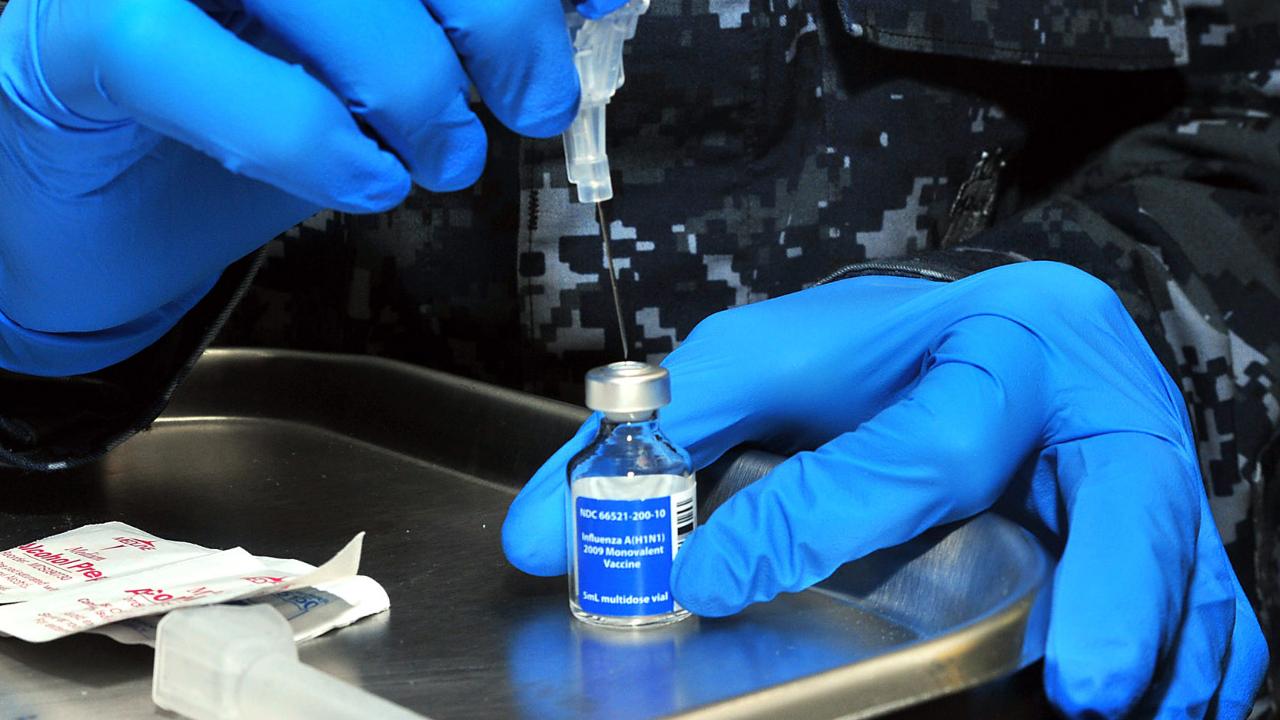
Representational Image. Credit: US Navy/Chief Petty Officer Anthony Sisti[/caption]
Evidence from countrywide studies
At the same time a study in Scotland has shown the Pfizer-BioNTech and Oxford-AstraZeneca vaccinations have led to a reduction in COVID-19 admissions to hospitals after a first dose.The study, led by the University of Edinburgh, found that by the fourth week after receiving the initial dose the Pfizer vaccine reduced the risk of hospitalisation from COVID by up to 85 percent.The Oxford-AstraZeneca vaccine reduced the risk by 94 percent."These results are very encouraging and have given us great reasons to be optimistic for the future," Professor Aziz Sheikh, who lead the research, said in a statement. "We now have national evidence – across an entire country – that vaccination provides protection against COVID-19 hospitalisations."Roll-out of the first vaccine dose now needs to be accelerated globally to help overcome this terrible disease," he added.The research compared the outcomes of those who had received their first jab with those who had not.It found that vaccination was associated with an 81-percent reduction in hospitalisation risk in the fourth week among those aged 80 years and over, when the results for both vaccines were combined.
'Extremely promising'
The project, which used patient data to track the pandemic and the vaccine roll-out in real time, analysed a dataset covering the entire Scottish population of 5.4 million between 8 December and 15 February.Some 1.14 million vaccines were administered to 21 percent of the Scottish population during the period.The Pfizer vaccine was received by 6,50,000 people in Scotland, while 490,000 had the Oxford-AstraZeneca vaccine.It is the first research to describe the effect of the vaccinations on preventing severe illness resulting in hospitalisation across an entire country.Previous results about vaccine efficacy have come from clinical trials.The study team said the findings were applicable to other countries using the Pfizer and Oxford-AstraZeneca vaccines.The data reported "is extremely promising," said Arne Akbar, the president of the British Society for Immunology."Although there does seem to be some difference in effectiveness levels measured across age groups, the reduction in hospitalisations for the older age groups is still impressively high," he said."We now need to understand how long-lasting this protection is for one dose of the vaccine."
 More from Health
Stroke is rising among young adults. Doctor explains why it's happening and what you must do
Stroke in young adults, silent symptoms and late diagnosis: India's growing brain health challenge
Brain tumours aren't always fatal, but delayed diagnosis can be: Experts explain the key warning signs
Spices, health and the Indian plate: Why chilli can be good for you—but moderation is still key
Organ donation: 5 myths you need to stop believing, according to a transplant specialist