


COVID-19 Pandemic: Scientists point to potential wave of coronavirus-linked brain damage
New evidence suggested COVID-19 can lead to severe neurological complications, including inflammation, psychosis and delirium.

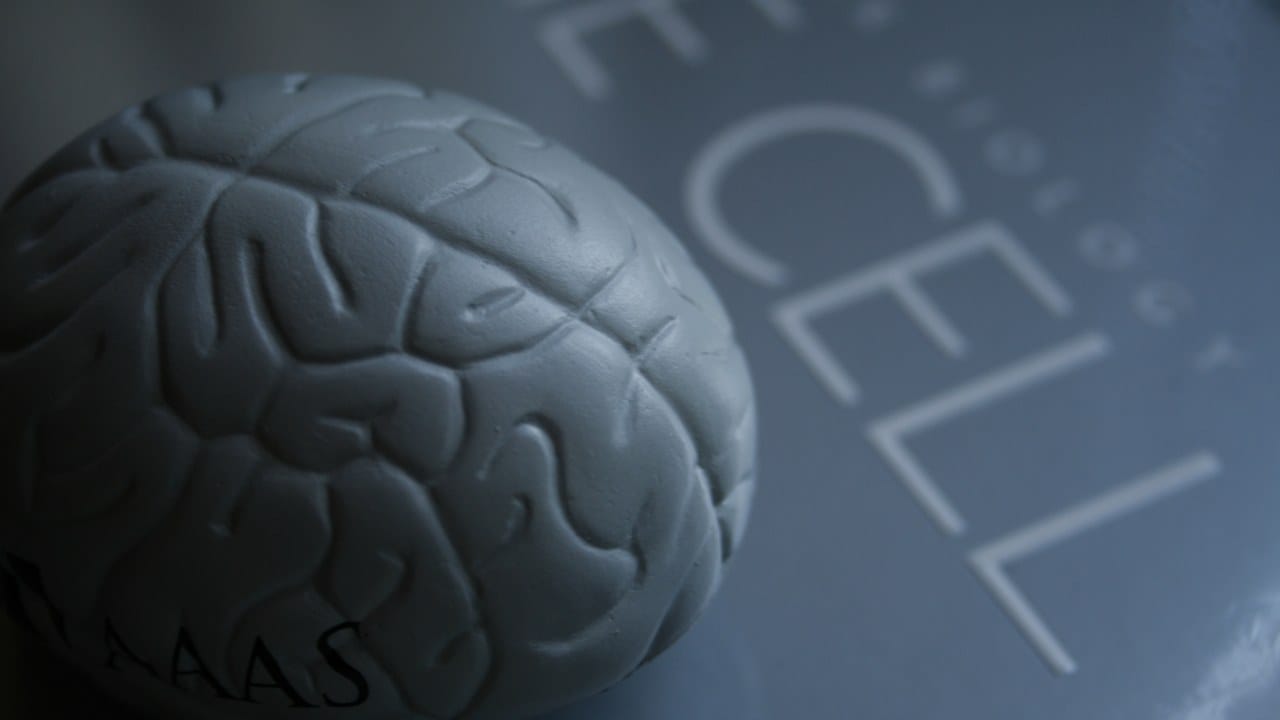
Representational image. Flickr[/caption]COVID-19, the disease caused by the new coronavirus, is largely a respiratory illness that affects the lungs, but neuroscientists and specialist brain doctors say emerging evidence of its impact on the brain is concerning.“My worry is that we have millions of people with COVID-19 now. And if in a year’s time we have 10 million recovered people, and those people have cognitive deficits ... then that’s going to affect their ability to work and their ability to go about activities of daily living,” Adrian Owen, a neuroscientist at Western University in Canada, told Reuters in an interview.In the UCL study, published in the journal Brain, nine patients who had brain inflammation were diagnosed with a rare condition called acute disseminated encephalomyelitis (ADEM) which is more usually seen in children and can be triggered by viral infections.The team said it would normally see about one adult patient with ADEM per month at their specialist London clinic, but this had risen to at least one a week during the study period, something they described as “a concerning increase”.“Given that the disease has only been around for a matter of months, we might not yet know what long-term damage COVID-19 can cause,” said Ross Paterson, who co-led the study. “Doctors need to be aware of possible neurological effects, as early diagnosis can improve patient outcomes.”Owen said the emerging evidence underlined the need for large, detailed studies and global data collection to assess how common such neurological and psychiatric complications were.He is running a international research project at covidbrainstudy.com where patients can sign up to complete a series of cognitive tests to see whether their brain functions have altered since getting COVID-19.“This disease is affecting an enormous number of people,” Owen said. “That’s why it’s so important to collect this information now.”

Stroke is rising among young adults. Doctor explains why it's happening and what you must do
Stroke in young adults, silent symptoms and late diagnosis: India's growing brain health challenge
Brain tumours aren't always fatal, but delayed diagnosis can be: Experts explain the key warning signs
Spices, health and the Indian plate: Why chilli can be good for you—but moderation is still key
Organ donation: 5 myths you need to stop believing, according to a transplant specialist