


COVID-19 could damage quality of sperm, reduce fertility in men, study suggests
Some experts are asking for the male reproductive system to be considered a vulnerable route and high-risk organ of COVID-19 infection by the WHO.

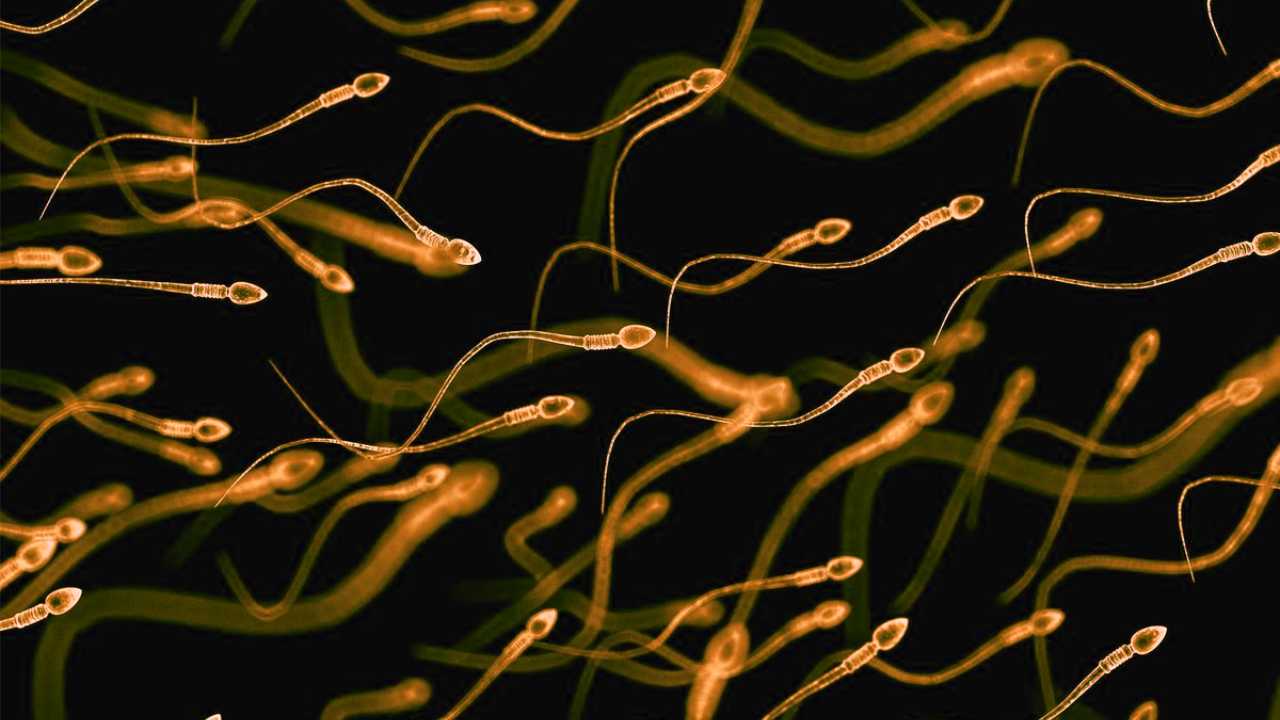
Illustration of sperm in the hundreds moving in semen. Image: UPenn[/caption]
'Strong note of caution'
"These effects on sperm cells are associated with lower sperm quality and reduced fertility potential," said Maleki in a statement. "Although these effects tended to improve over time, they remained significantly and abnormally higher in the COVID-19 patients."The more severe the disease, the bigger the changes, he added.The male reproductive system "should be considered a vulnerable route of COVID-19 infection and declared a high-risk organ by the World Health Organisation," Maleki said.Experts not involved in the study welcomed the research, but cautioned that more was needed before drawing hard and fast conclusions."Men should not be unduly alarmed," noted Alison Campbell, director of embryology of the CARE Fertility Group in Britain."There is currently no definitive evidence of long-lasting damage caused by Covid-19, to sperm or male reproductive potential," she told the London-based Science Media Centre.The results could have been skewed, she added, by the fact that men recovering from Covid were treated with corticosteroids and antiviral therapies, while the control group was not.Allan Pacey, a specialist in male reproductive medicine at the University of Sheffield, raised a "stong note of caution" on how the data was interpreted.Some of the indicators of decreased sperm quality could be due to factors besides Covid-19, he said, noting that more men in the Covid-19 group were overweight.The simple fact that only one group was very sick -- no matter the cause -- also needed to be taken into account, he added.

Stroke is rising among young adults. Doctor explains why it's happening and what you must do
Stroke in young adults, silent symptoms and late diagnosis: India's growing brain health challenge
Brain tumours aren't always fatal, but delayed diagnosis can be: Experts explain the key warning signs
Spices, health and the Indian plate: Why chilli can be good for you—but moderation is still key
Organ donation: 5 myths you need to stop believing, according to a transplant specialist