


Coronavirus Outbreak: US consumer prices post largest drop in five years as pandemic suppresses demand for some goods, services
The labour department said on Friday its consumer price index dropped 0.4 percent last month amid a tumble in the costs of gasoline, hotel accommodation, apparel and airline tickets.

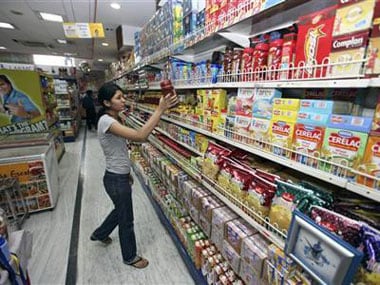
Representational image. Reuters[/caption]Economists polled by Reuters had forecast the CPI dropping 0.3 percent in March and climbing 1.6 percent year-on-year.The labour department said March’s CPI report had been affected by the coronavirus, with data collection by personal visit suspended on 16 March. It said data collection last month was also impacted “by the temporary closing or limited operations of certain types of establishments,” leading to “an increase in the number of prices being considered temporarily unavailable and imputed.”As a result, the government said many indexes were based on smaller amounts of collected prices than usual, and a small number of indexes that are normally published were not published in March.Restaurants, bars and other social venues have been shuttered as state and local governments implemented tough measures to control the spread of COVID-19, the respiratory illness caused by the coronavirus. Clothing retailers have also closed shop as have some manufacturers, while transportation has been drastically scaled back, leaving millions unemployed.Fears of a sharp global recession and an oil price war between Saudi Arabia and Russia have led to a collapse in crude prices. This is expected to offset price increases caused by bottlenecks in the supply chain.Excluding the volatile food and energy components, the CPI dipped 0.1 percent in March, the first drop since March 2010. The so-called core CPI had increased 0.2 percent for two straight months. Underlying inflation fell in March also as prices for new motor vehicles declined. In the 12 months through March, the core CPI rose 2.1 percent after increasing 2.4 percent in February.The Fed tracks the core personal consumption expenditures (PCE) price index for its 2 percent inflation target.The core PCE price index increased 1.8 percent on a year-on-year basis in February after rising 1.7 percent in January. It undershot its target in 2019. With some components in the producer price index report that feed into the core PCE price index weakening in March, economists expect inflation pulled back last month.March’s core PCE price index data will be released at the end of the month.

Stroke is rising among young adults. Doctor explains why it's happening and what you must do
Stroke in young adults, silent symptoms and late diagnosis: India's growing brain health challenge
Brain tumours aren't always fatal, but delayed diagnosis can be: Experts explain the key warning signs
Spices, health and the Indian plate: Why chilli can be good for you—but moderation is still key
Organ donation: 5 myths you need to stop believing, according to a transplant specialist