


Coronavirus Outbreak: Aviation stocks fall after DGCA directive to stop bookings for travel after 3 May
Airline stocks fell up to 5.5 percent on Monday after regulator DGCA directed airlines to stop taking bookings for travel after 3 May

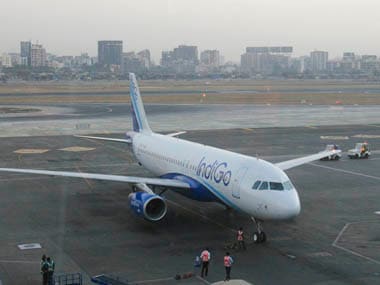
Representational image. Reuters
[/caption]DGCA on Sunday directed airlines to stop taking bookings for travel after 3 May, assuring them that they would be given sufficient time to restart flight operations.Click here to follow LIVE updates on coronavirus outbreakThe Directorate General of Civil Aviation (DGCA) issued a circular stating, "all airlines are hereby directed to refrain from booking tickets... Further, the airlines may note that they shall be given sufficient notice and time for restarting operations."Click here to follow LIVE news and updates on stock marketsAll domestic and international commercial passenger flights have been suspended for the lockdown period. However, cargo and special flights permitted by the DGCA can fly in this period.The first phase of the lockdown was from 25 March to 14 April. The second phase began on 15 April and ends on 3 May.

Stroke is rising among young adults. Doctor explains why it's happening and what you must do
Stroke in young adults, silent symptoms and late diagnosis: India's growing brain health challenge
Brain tumours aren't always fatal, but delayed diagnosis can be: Experts explain the key warning signs
Spices, health and the Indian plate: Why chilli can be good for you—but moderation is still key
Organ donation: 5 myths you need to stop believing, according to a transplant specialist