


The Coca-Cola debate: Is cane sugar healthier than high-fructose corn syrup?
Donald Trump announced that beverage giant Coca-Cola would replace high-fructose corn syrup used in its drinks with cane sugar in the US. The US President says the move will make the drink 'just better'. But will this change have any real benefits? We decode

Donald Trump’s long-standing love affair with Coca-Cola is no secret. During his first term, he reportedly downed up to a dozen cans of Diet Coke a day, even going so far as to install a red “Diet Coke button” on his desk to summon the drink on demand.
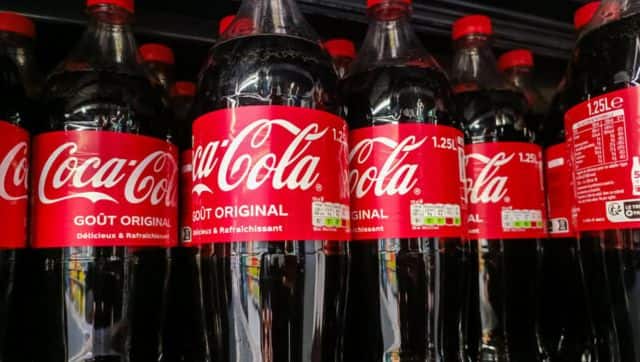
But now, the US President Donald Trump is going a step further and eying making the American beverage "better". On Wednesday, July 16, Trump announced on Truth Social that the Coca Cola had agreed to replace high-fructose corn syrup (HFCS) with real cane sugar in its US products.
“I have been speaking to Coca-Cola about using REAL Cane Sugar in Coke in the United States, and they have agreed to do so,” Trump wrote on Truth Social. “I’d like to thank all of those in authority at Coca-Cola. This will be a very good move by them — You’ll see. It’s just better!”
 More from Health
While Coca-Cola has yet to officially confirm the change, Trump’s announcement has already kicked off a debate online. So, what exactly is cane sugar? How does it differ from high-fructose corn syrup (HFCS)? And more importantly, is it actually healthier?
Let’s break it down.
What is cane sugar?
Cane sugar comes from sugarcane — a tall, tropical grass that’s harvested for its sweet juice worldwide, predominantly in Southeast Asia and India.
Once extracted, this liquid can be turned into various products depending on how it's processed.

According to the United States Department of Agriculture (USDA), sugarcane can be used to create syrup, juice, crystallised sugar, and more refined forms like white sugar, brown sugar, molasses, or jaggery.
At its core, cane sugar is made up of sucrose, a natural compound that’s half glucose and half fructose.
How is cane sugar different from HFCS?
High-fructose corn syrup, or HFCS, is a thick, sweet syrup made from corn starch.
To make it, corn starch is first broken down into corn syrup, which is almost entirely glucose. Then, using enzymes, some of that glucose is converted into fructose, the same simple sugar found in fruit. The result is a sweeter blend with a higher fructose content, which gives HFCS its name.
Because it’s cheap to produce and has a long shelf life, HFCS became a popular ingredient in processed foods and drinks, notes the Cleveland Clinic.

Coca-Cola made the switch to HFCS in the US during the 1980s, when tariffs and trade restrictions pushed up the cost of importing cane sugar and helped local farmers. Since then, the taste of American Coke has been noticeably different from the versions sold in Mexico or India, which still use cane sugar.
Is cane sugar any better than HFCS?
When it comes to health, the difference between cane sugar and high-fructose corn syrup (HFCS) is negligible, according to experts.
“Both high-fructose corn syrup and cane sugar are about 50 per cent fructose, 50 per cent glucose, and have identical metabolic effects,” said Dr Dariush Mozaffarian, cardiologist and director of the Food is Medicine Institute at Tufts University, in an interview with NBC News.
Both sweeteners can contribute to obesity, diabetes, and high blood pressure. While they offer the same number of calories, it's the fructose content that poses the most concern.
Fructose is processed in the liver, where excess amounts are turned into triglycerides — a type of fat linked to heart disease. It also doesn’t trigger insulin, the hormone that signals fullness. Over time, too much fructose can lead to insulin resistance and increase the risk of Type 2 diabetes.
HFCS does contain slightly more fructose — about 55 per cent compared to 50 per cent in cane sugar, but experts say the difference isn’t enough to make one a healthier option.
“A 5 per cent difference might mean that millions of people are getting less fructose,” Dr Melanie Jay, professor at NYU Grossman School of Medicine, told NBC News. “But it’s not like table sugar is a health food. Added sugar in whatever form should be limited.”
The American Heart Association recommends no more than 25 grams of added sugar daily for women and 36 grams for men, but most Americans consume two to three times that.
“Moderation is key,” said Adrianne Kartholl, a registered dietician at Parkview Health, in an interview with CBS News. “These foods ideally should not be consumed every day, and when consumed, are consumed in appropriate portion sizes.”
So, is Coca-Cola going to get more expensive in the US?
With input from agencies
Stroke is rising among young adults. Doctor explains why it's happening and what you must do
Stroke in young adults, silent symptoms and late diagnosis: India's growing brain health challenge
Brain tumours aren't always fatal, but delayed diagnosis can be: Experts explain the key warning signs
Spices, health and the Indian plate: Why chilli can be good for you—but moderation is still key
Organ donation: 5 myths you need to stop believing, according to a transplant specialist