
Advertisement


Sections
Cerebral aneurysm: What happens when the brain bleeds
According to an estimate, about 3% of the world’s population suffers from cerebral aneurysm, with a higher prevalence among women over 50.

- Globally three in 100 people may have an unruptured, asymptomatic aneurysm
- Aneurysms in the back of the brain are much more likely to rupture than aneurysms in the front arteries of the brain
- Most aneurysms get diagnosed accidentally when a person goes for a CT scan, MRI or other tests
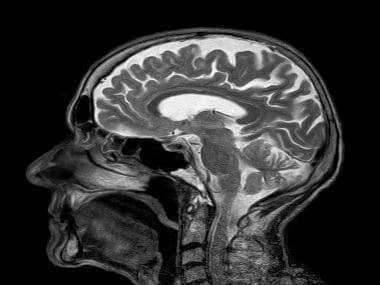 Representational image. Image by toubibe from Pixabay[/caption]Many notable people have suffered from SAH, including the American actress Sharon Stone and Canadian singer and songwriter Neil Young. In March 2019, Game of Thrones actor Emilia Clarke (Daenerys Targaryen) said she had suffered two brain bleeds while shooting the earlier seasons of the show.Here’s a detailed overview of what is a cerebral aneurysm, and why so many cases go undetected until there’s a potentially fatal brain bleed.What causes aneurysms?Though the exact cause of aneurysms is not known yet, experts think they may have something to do with high blood pressure, brain trauma, atherosclerosis (blocked arteries because of cholesterol build-up) or may even be hereditary.There are also many theories about why aneurysm forms. These range from structural fatigue of the arterial walls (which can happen in hypertensive people) to inflammation mediated by the immune system.In a recent study which was done by the University of Sussex in collaboration with the University of Seattle, USA, researchers discovered that some forms of brain aneurysms may be caused due to a genetic mutation in the PDGFRB gene, which is also responsible for various developmental disorders in human beings.Studies have found that a type of anticancer drug-receptoror tyrosine kinase inhibitors - can successfully be used to treat aneurysms. Though drug testing is still in progress, it is something to look forward to as a revolutionary step in identifying and resolving aneurysm causes.What can you do about it?Unruptured aneurysms only present symptoms if they are large enough to press against the brain. Then, they may present in the form of blurred vision, eye pain, headache, facial pain and problems with speaking. Ruptured aneurysms can cause a very sharp and severe headache with stiffness in the neck, light sensitivity and fainting.Since most aneurysms do not show any apparent symptoms — until the person has a stroke — they can be difficult to diagnose. According to the National Institute of Neurological Disorders and Stroke, UK, about 25% people with a ruptured aneurysm die within the first 24 hours or six months due to complications, and those who survive, suffer neurological damage or loss of certain brain functions.Statistics are even worse in India. In 'Need for brain aneurysm treatment registry of India: How effectively are we treating intracranial aneurysms in India?', an article published in Neurology India, a publication of the Neurological Society of India, Sudheer Ambekar, a fellow at the University of Miami, said that about 40% aneurysms in India are fatal. We still need a multilevel approach, including a national registry to identify and treat cerebral aneurysm cases effectively, he explained.What are the treatment options?There are limited treatment options for aneurysms today. Treatment usually includes minimally invasive procedures such as endovascular coiling. In this procedure, instead of opening the skull, a coil is introduced into the body through the femoral artery and placed onto the aneurysm to stop the bleeding. Another treatment method is surgical clipping, where the skull is opened to control bleeding from the aneurysm site. A third option is flow diverters that can help to reduce the size of the aneurysm and keep it from bursting.The future, however, looks promising. There’s new research on how to find an aneurysm before it turns fatal. The most recent among these is a tiny device developed by researchers at Stanford University - it uses a deep learning model called the HeadXNet to find possible aneurysms in the brain with a CT scan. If and when they can be used in clinical practice, these devices could have tremendous possibilities for preventing death by bleeding in the brain.This article was created by myUpchar, India's first and biggest online resource for verified medical information. For more in-depth information on all things health, please visit www.myupchar.com/en. For more details on this topic, please see: https://www.myupchar.com/en/disease/brain-aneurysm
First Published:Sep 06, 2019, 14:46:45 IST
Advertisement
Advertisement

Stroke is rising among young adults. Doctor explains why it's happening and what you must do
Stroke is increasingly affecting adults in their 30s, 40s and 50s. Experts say unhealthy lifestyles, undiagnosed high blood pressure and delayed treatment are driving the rise in younger stroke cases
3 min read
Stroke in young adults, silent symptoms and late diagnosis: India's growing brain health challenge
Neurologists warn that stroke is increasingly affecting people in their 30s and 40s, while many brain disorders progress silently before symptoms appear. They say early diagnosis, timely referrals and healthier lifestyles are key to reducing India's growing neurological disease burden.
5 min read
Brain tumours aren't always fatal, but delayed diagnosis can be: Experts explain the key warning signs
Brain tumours are frequently mistaken for common headaches, stress or age-related cognitive changes. Doctors say recognising warning signs early and adopting a brain-healthy lifestyle can improve outcomes and reduce the risk of long-term neurological complications.
2 min read
Spices, health and the Indian plate: Why chilli can be good for you—but moderation is still key
From boosting metabolism to supporting heart health, chillies offer several surprising health benefits. But experts say the amount you eat matters, and too much spice can do more harm than good.
4 min read
Organ donation: 5 myths you need to stop believing, according to a transplant specialist
Organ donation has the power to transform and save lives, but this can happen only when myths are replaced with facts. Building awareness, having open conversations and understanding the process can help families make informed decisions.
2 min read
Advertisement
Advertisement