
Advertisement


Sections
25,000 coronavirus deaths globally: Here's how the most vulnerable can stay safe
The Coronavirus Resource Center by John Hopkins University and Medicine reported that the disease has spread to 176 countries with over 5,53,000 confirmed cases.

The COVID-19 pandemic has spread rapidly and globally. The Coronavirus Resource Center by John Hopkins University and Medicine reported that the highly contagious disease has spread to 176 countries across the world with over 5,53,000 confirmed cases and more than 25,000 deaths. Over the last 24 hours, the maximum casualties were recorded in Spain, a new record at 769 COVID-19 related deaths in a day. Most governments and healthcare professionals are attempting to provide care to all those affected. [caption id="attachment_8108771" align="alignleft" width="380"]![Representational image(Commuters in a train in Tokyo wear masks to protect spread of coronavirus). AP]() Representational image. AP[/caption]The loss of these many lives — with the toll being highest in Italy, Spain and Hubei, China — is alarming indeed. It’s also quite natural to feel stressed, scared and anxious during a public health emergency of this proportion. Grieving the loss of so many lives is very important.However, it’s also equally important to continue the fight to contain the spread and severity of the COVID-19 infection. Practising all the preventive measures prescribed by the World Health Organization (WHO), US Centers for Disease Control and Prevention (CDC) and the Indian Ministry of Health and Family Welfare (MoHFW) strictly and regularly by all is the only way to prevent this disease from claiming more lives.
Representational image. AP[/caption]The loss of these many lives — with the toll being highest in Italy, Spain and Hubei, China — is alarming indeed. It’s also quite natural to feel stressed, scared and anxious during a public health emergency of this proportion. Grieving the loss of so many lives is very important.However, it’s also equally important to continue the fight to contain the spread and severity of the COVID-19 infection. Practising all the preventive measures prescribed by the World Health Organization (WHO), US Centers for Disease Control and Prevention (CDC) and the Indian Ministry of Health and Family Welfare (MoHFW) strictly and regularly by all is the only way to prevent this disease from claiming more lives.
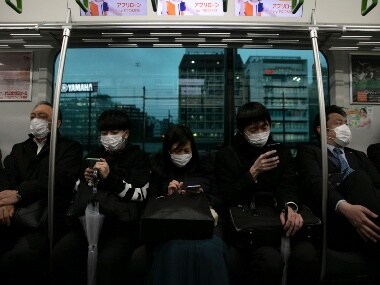 Representational image. AP[/caption]The loss of these many lives — with the toll being highest in Italy, Spain and Hubei, China — is alarming indeed. It’s also quite natural to feel stressed, scared and anxious during a public health emergency of this proportion. Grieving the loss of so many lives is very important.However, it’s also equally important to continue the fight to contain the spread and severity of the COVID-19 infection. Practising all the preventive measures prescribed by the World Health Organization (WHO), US Centers for Disease Control and Prevention (CDC) and the Indian Ministry of Health and Family Welfare (MoHFW) strictly and regularly by all is the only way to prevent this disease from claiming more lives.
 High-risk groups under threat right now
It’s also important to focus on keeping the high-risk groups of people — those who have compromised immune systems — especially safe. While COVID-19 can be contracted by anybody and everybody, there are certain people who it affects more severely - even to the extent of turning them critical and making recovery impossible. Here are some high-risk groups of people you should take special care of during the COVID-19 pandemic:- People aged 60 years and above
- People with heart diseases, a history of stroke, etc.
- People with Type I or Type II diabetes
- People with high blood pressure
- Current and previous cancer patients
- HIV patients
- People with lung diseases, chronic obstructive pulmonary disorder (COPD), asthma, etc.
- People with kidney diseases
- People with autoimmune diseases
Precautions for high-risk groups
Whether you fall in a high-risk group yourself, or have a loved one who does, taking proper and strict care right now is the best preventive measure you have against COVID-19. The following are all the precautions people who are 60 years old or above, and those who have underlying conditions, must take:- Take all the preventive measures recommended by healthcare professionals right now, like handwashing, respiratory hygiene, regular cleaning and disinfecting of surfaces, social distancing, etc.
- Stay at home and avoid coming in contact with visitors or people who have recently travelled.
- Consume a nutrient-dense, healthy and balanced diet.
- Get some exercise every day to stay physically fit and active.
- Reduce stress and engage in activities that can help you stay mentally fit.
- Consult with your doctor on the phone, and keep him or her updated about your health in case you need help in an emergency.
- Make sure you have enough supply of the medications prescribed to you by your doctor. Stick to your recommended medication routine without fail. These are the best safeguards for your immune system right now.
- If you notice any symptoms of COVID-19, call your doctor or emergency health services immediately. Do not arrive at a hospital or clinic without making a call first, and follow the instructions of healthcare professionals to the best of your ability.
First Published:Mar 27, 2020, 20:51:14 IST
Advertisement
Advertisement

Stroke is rising among young adults. Doctor explains why it's happening and what you must do
Stroke is increasingly affecting adults in their 30s, 40s and 50s. Experts say unhealthy lifestyles, undiagnosed high blood pressure and delayed treatment are driving the rise in younger stroke cases
3 min read
Stroke in young adults, silent symptoms and late diagnosis: India's growing brain health challenge
Neurologists warn that stroke is increasingly affecting people in their 30s and 40s, while many brain disorders progress silently before symptoms appear. They say early diagnosis, timely referrals and healthier lifestyles are key to reducing India's growing neurological disease burden.
5 min read
Brain tumours aren't always fatal, but delayed diagnosis can be: Experts explain the key warning signs
Brain tumours are frequently mistaken for common headaches, stress or age-related cognitive changes. Doctors say recognising warning signs early and adopting a brain-healthy lifestyle can improve outcomes and reduce the risk of long-term neurological complications.
2 min read
Spices, health and the Indian plate: Why chilli can be good for you—but moderation is still key
From boosting metabolism to supporting heart health, chillies offer several surprising health benefits. But experts say the amount you eat matters, and too much spice can do more harm than good.
4 min read
Organ donation: 5 myths you need to stop believing, according to a transplant specialist
Organ donation has the power to transform and save lives, but this can happen only when myths are replaced with facts. Building awareness, having open conversations and understanding the process can help families make informed decisions.
2 min read
Advertisement
Advertisement