


Why Israel’s Benjamin Netanyahu is the biggest loser in Trump’s peace deal with Iran
The war against Iran brought Donald Trump and Benjamin Netanyahu closer together. However, the US peace deal with Tehran may unsettle this alliance. The agreement calls for Israel to fully withdraw from Lebanon, which critics note is a disaster for the Jewish nation’s security. Many have now turned on Benjamin Netanyahu, who is facing an election in October

“Many times we see eye to eye, and there are also cases in which we see less eye to eye. I am responsible for Israel’s security interests. I stand up for them,” said Israel’s Benjamin Netanyahu on his relationship with America’s Donald Trump, Monday (June 15), after the United States and Iran agreed to sign a memorandum of understanding to end the war.
The Israeli prime minister also ruled out any immediate withdrawal from Lebanon, saying that Israel’s forces would remain there “for as long as necessary”. “We established deep security zones around the state of Israel. We did this in Gaza, in Lebanon, and in Syria,” the Israeli prime minister said in a televised press conference on Monday. “And I want to make it clear: we will remain in these security zones … to protect our country.”
 More from Explainers
- Catch the latest updates from the US-Iran war here
Netanyahu’s remarks echo the anger that many Israelis have expressed after the US and Iran agreed to a deal to end the war, with some even claiming that “Israel’s security doesn’t come from the US” and that “Israel is not a banana republic”.
But why is Israel not on board with Trump’s peace plan with Iran? Here’s a detailed analysis to explain it all.
Trump’s ‘Great Deal’ with Iran
Termed by US President Donald Trump as a “great deal” that would “bring peace and security to the whole region”, the US-Iran agreement essentially extends the ceasefire between the warring nations by pausing all military operations for the next 60 days and the reopening of the Strait of Hormuz on Friday when representatives of the US and Iran meet to sign the deal.
The agreement also allows negotiations on issues such as Iran’s nuclear programme and sanctions. According to US Vice President JD Vance, the deal would also facilitate the return of international nuclear inspectors to Iran.
“Yes, absolutely,” Vance told NBC when asked whether inspectors would be permitted to return. “That is in fact one of the core parts of the agreement,” Vance said, adding that the memorandum explicitly calls for the International Atomic Energy Agency and the United States to help Iran eliminate its stockpile of highly enriched uranium. “That’s spelled out very clearly in the MoU.”
The agreement also entails new restrictions on Israel’s ability to fight Hezbollah, as Iran is demanding a full Israeli military withdrawal from southern Lebanon. However, a senior US official told reporters that withdrawal “was not a condition of the deal.”
“If Iran is not able to control Hezbollah, and if they attack, you know, Israeli positions or Israeli towns, Israel will have the right to defend itself and respond,” the official said.
But herein lies the greatest conundrum. Iran has been unequivocal in its demand that Lebanon is covered by the agreement and that Israel must not just halt hostilities against Hezbollah, but that the Israel Defence Forces (IDF) must also withdraw from all the areas of southern Lebanon they now occupy.
In fact, Iran’s Foreign Ministry spokesperson Esmail Baghaei said on Monday that ending the war in Lebanon is an inseparable part of the ceasefire agreement.
Israel seethes over US agreement with Iran
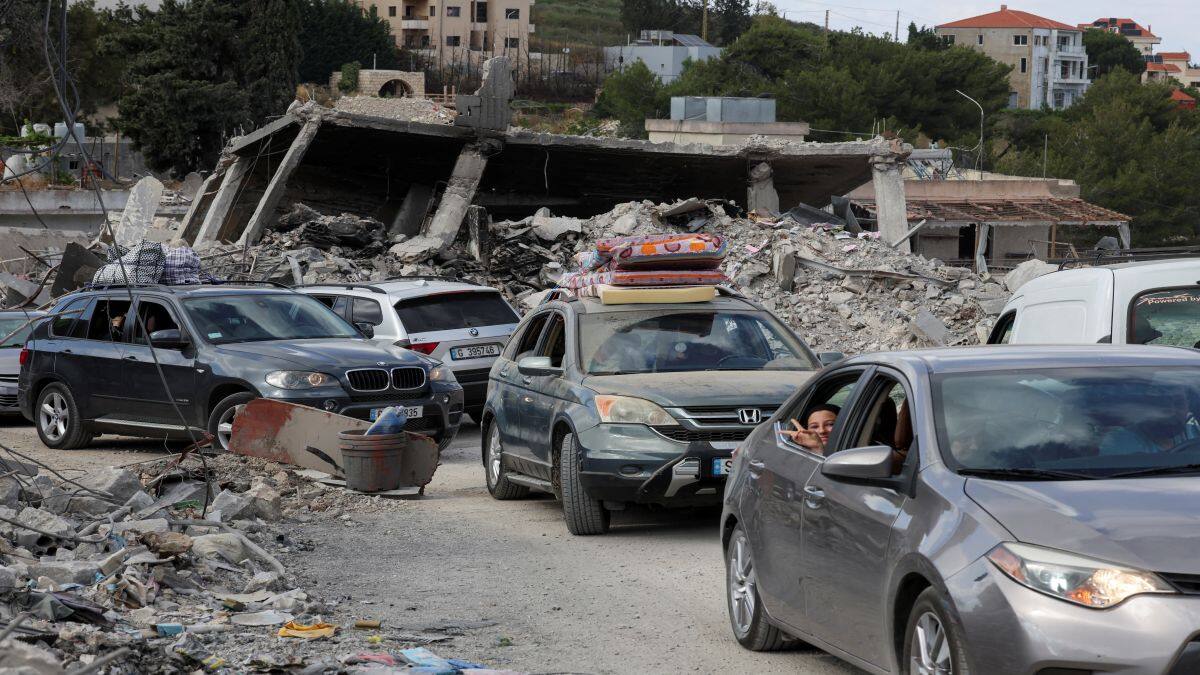
Israel, which has largely been sidelined in the negotiations to end the war, angrily reacted to Trump’s agreement with Iran, calling it a disaster for the Jewish nation. Many even directed their anger at Prime Minister Benjamin Netanyahu.
Shortly after the news emerged that the US and Iran would formally sign a deal on Friday in Switzerland’s Geneva, Israel’s Minister of National Security, Itamar Ben-Gvir, declared that any agreement reached by Washington would not bind Israel. “Israel is not subject to the United States,” Ben-Gvir said in a post on X, describing the country as “an independent and sovereign nation” whose sole obligation was to its citizens and security interests.
‘The State of Israel is not a banana republic. My position is clear: We are not partners to this agreement that does not ensure our security, and it does not bind us in any way. We must not compromise on anything less than the dismantling of Hezbollah, we must not withdraw from any territory that our fighters have captured and cleared of terror infrastructure, we must not return to a situation where thousands of terrorists sit on the fences of northern settlements, and certainly we must not remain silent for a moment in the face of fire directed at the State of Israel,” he added.
Finance Minister Bezalel Smotrich also denounced the accord. Calling it “bad for Israel and for the entire free world,” he said Israel would need to continue efforts to prevent Iran from obtaining nuclear weapons and pursue what he described as a long-term campaign to weaken and ultimately topple the Iranian regime. “In Lebanon, we will be tested. This is our war, our fighters, and the immediate security of our northern residents. I will continue to act so that we continue to stand firm on ours and allow the IDF full freedom of action to continue pushing Hezbollah away,” he said in a post on X.

Many also criticised Netanyahu for overpromising to Trump on what the war could achieve. As Israel’s former PM Ehud Barak said: “Israel is paying the price of Netanyahu’s hubris and blindness, and the price of the manipulations that he tried to pull on Trump. Iran emerged stronger; Israel emerged weaker. That is Netanyahu’s strategic responsibility. He failed.”
Yair Lapid, Netanyahu’s opponent in the upcoming elections, also noted that the deal was shaping up to be “one of the most shocking failures in Israel's foreign and security policy... entirely registered in Netanyahu’s name”. “It can be fixed, it must be fixed,” he wrote. “Netanyahu can no longer fix it; we will do it.”
Yair Golan, the Democrats party chief, also declared the US deal with Iran to be terrible for Israel. “Tremendous military achievements won through the courage of our pilots and the blood of our fighters were erased, while Netanyahu stood aside — weak, ill, isolated, and lacking influence,” he said, adding, “Netanyahu is good for Hamas. Netanyahu is good for Iran. Netanyahu is good for Hezbollah. Netanyahu is not good for Israel.”
Netanyahu claims war’s main goals have been achieved
Facing internal backlash, Netanyahu broke his silence on the agreement on Monday evening, asserting that the fighting had been successful.
The Israeli strongman played down the notion of a rift with Trump, saying Israel and its “American friends” had saved Israel from nuclear “annihilation” and reiterated Iran would never be allowed to possess nuclear weapons on his watch.
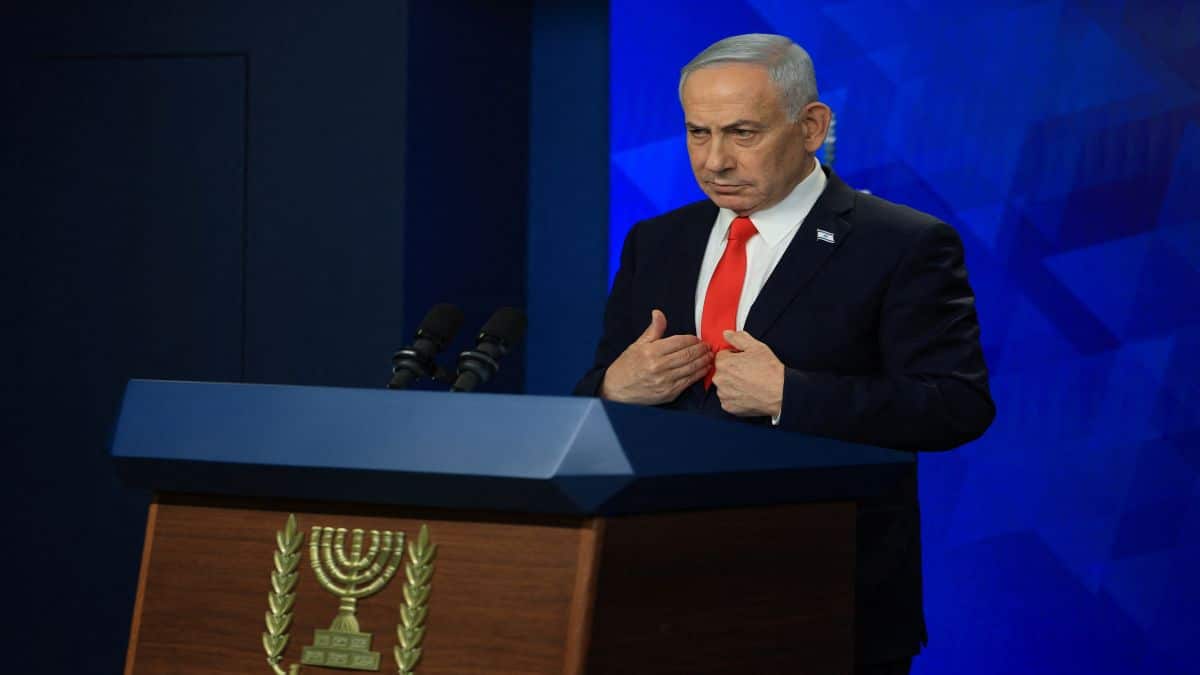
Netanyahu declared that Israel had once again “removed, for years to come, this danger hanging over us of the elimination of Israel’s population.”
“This is what we did,” the prime minister continued, “we saved the State of Israel from annihilation.”
When asked by a reporter about his objective of removing the threat posed by Iran’s regime, Netanyahu noted, “We said we wanted to remove an existential danger from over us: first, the nuclear danger — and we did that. We said we wanted to remove from over us the [ballistic missile] danger — and we did that. And we said we wanted to create the conditions that would allow the Iranian people, should they wish, to remove from themselves this terror regime.”
“Iran is in a very difficult economic situation. We struck every possible infrastructure there. The damage is enormous. There are cracks within this regime as well,” he added. “Can I tell you when this regime will fall? I do not know. Could I have told you when the Soviet regime would fall? No. I cannot tell you,” he added.
Israel faces a tough choice
The US-Iran deal has left Israel with few options. One is to accept the reality of the deal or to ignore the agreement and go up against US President Trump and America.
Alex Vatanka, a senior fellow at the US-based Middle East Institute think tank, told AFR that Netanyahu really has no option. “They have to weigh the options [of] upsetting the Americans, particularly upsetting Trump by undermining the ceasefire, which Trump will hold Israel and Netanyahu responsible for.”
“Or basically decide, which likely is the case, that they’re still better off staying close to the Americans than going alone. The Israelis have their own reasons why, despite their rhetoric, they don’t necessarily want to stay in this fight.”
Political commentator Nahum Barnea was also quoted as telling the Financial Times, “He (Netanyahu) is a servant playing at rebellion. This rebellion won’t go very far. Trump is all we have left in America after three years of war. It is unwise to push him into the Iranians’ arms.”
With inputs from agencies

The Great Covid Fraud: How Indian-origin couple in UK funded lavish lifestyle through fake PPE orders
Fake jobs, tourist visas: Inside Russia’s vast network luring foreigners to fight Ukraine war
Why has Bangladesh’s choice of India spokespersons raised eyebrows?
Who is Sandeep Lamba, the Delhi cop removed from protest site duty after slapping female protester?
Explorers discover wreckage of plane 72 years later. Will this help in finding MH370?