



Reliance Power gets a reprieve, but power cos woes remain
Even ascosts of importing coal have climbed, local production from Coal India has stagnated. For power cos, it's a lose-lose situation: importing coal is unviable at current power tariffs and local output is limited.

Phew! That's what Reliance Power must be muttering to itself after the Delhi high court ordered that no coercive steps could be taken against the company on its 3,960 megawatt (MW) ultra mega power plant inKrishnapatnam in Andhra Pradesh. Four states - Andhra Pradesh, Tamil Nadu, Karnataka and Maharashtra - had slapped a fine of Rs 400 crore on the company for delays in setting up the project and had threatened to encash bank guarantees as well as terminate the power purchase agreements.
Reliance has halted work on the project, which used imported coal from Indonesia, after that country imposed a heavy export duty on the commodity, which pushed up fuel costs for Reliance.
[caption id="attachment_251450" align="alignleft" width="380" caption="The Union Budget this year announced some cuts in duties and taxes for coal mining and power projects. Reuters"]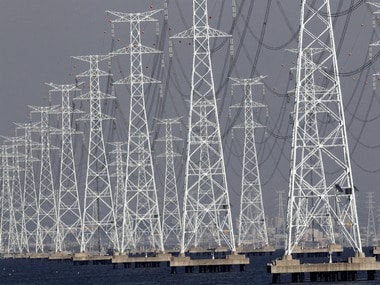 [/caption]
That put the financial viability of the project, which was expected to supply power to buyers for 25 years at a fixed rate of Rs 2.33 per kilowatt per hour (kwh). That is below even the cost of producing power. Arecent Fitch ratings report says even if a project uses 30 percent of its required coal from Indonesia, the cost of producing power will be Rs 2.93 per kwh.
 More from Business
If the Krishnapatnam project used only coal from Indonesia, its cost would be Rs 4.41 per kwh.
No wonder Reliance Power decided to halt the project. In fact, the company is even finding it difficult to even get loansbecause of the non-viability of the project.
Of course, Reliance is not alone. Tata Power's UMPP at Mundra has also become unviablebecause of the high cost of Indonesian coal.
Even as the costs of importing coal have climbed, local production from Coal India has stagnated. For power companies, it's a lose-lose situation: importing coal is unviable at current power tariffs and local output is limited. In its report, Fitch warns that "plants relying fully on imported coal are likely to default on their debt obligations, without an injection of sponsor equity. The higher the imported coal in the fuel mix, the more vulnerable a project is to default."
The Union Budget this year announced some cuts in duties and taxes for coal mining and power projects. But it will not help the sector much unless the basic issue of a mismatch between power supply costs and tariffs remains unresolved.

China has dominated Myanmar’s rare earth mines — now India eyes deal to harness country’s critical minerals
JPMorgan to hire 1,000 technology professionals for India GCCs amid AI-led transformation
BOJ seen raising interest rates by December as weak yen fuels inflation risks
'From make in India to launch from India': Skyroot COO on why Vikram-1 could change India’s space sector
Google burns cash for first time as AI spending pushes 2026 capex to $205 billion