



Railways opt for electronic reverse auction bidding to save Rs 10,000 crore a year
Aiming to save Rs 10,000 crore a year by increasing competition and reducing expenditure on procurement, Indian Railways will implement an electronic reverse auction process for high-value items from 1 April, a first-of-its-kind initiative for the national transporter

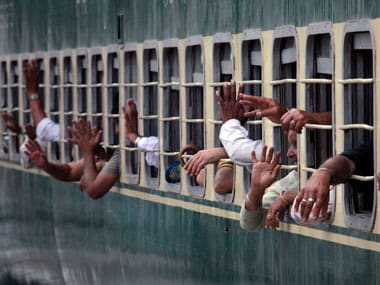
Representational image. Reuters[/caption]In addition, Rs 10,000 crore worth of track supply materials are procured, while projects and works worth Rs 60,000 crore are taken up for the expansion or upgradation of rail infrastructure."Initially, all supply tenders of over Rs 10 crore shall be covered through the electronic reverse auction. Similarly, all services and works above Rs 50 crore shall also be covered," said a senior Railway Ministry official involved with the formulation of the reverse auction policy."The process will be operational in the new fiscal year (2018-19) beginning 1 April and is expected to cover more than 70 percent of procurement cost and works," he added.Currently several ministries, including the Ministry of Power, and public sector undertakings are using the reverse auction process to procure supplies at competitive prices.The software to run the reverse auction process is being developed by the Centre for Railway information systems (CRIS), the Indian Railways' software arm, and is expected to be ready by month-end.Electronic reverse auction is expected to offer industry greater ease of doing business as it will eliminate human intervention and provide paperless transactions. The e-procurement system will also offer more competitive bids to the Railways, as also reduce corruption."We aim to reduce the procurement expenditure substantially through the reverse bidding method. Even a 10 percent saving in cost due to improved competition will result in an overall annual saving of up to Rs 10,000 crore in the procurement of goods, services and works," the official said.Reverse auction software will be easy to operate by all without charging any fee -- and with this, decision-making in the high-value purchase process will become digital and transparent, he added.

Google burns cash for first time as AI spending pushes 2026 capex to $205 billion
Tesla sells more cars but makes less money: Why Musk’s AI pivot is squeezing profits
No premium queues, 30-minute target: What changes for Indian passport applicants in UAE
Bharat Forge, Flying Whales sign pact to develop 60-tonne airships for India’s defence logistics
Air India to cut Delhi-Toronto flight time by 3 hours, resume non-stop services from August 1