



Q3 FY16 revision helped GDP, note ban impact at 1%: Analysts
"The steep downward revision of Q3 FY16 has in turn led to higher growth in Q3 FY17, thus masking the impact of demonetisation in the Q3 figures," the economic research department of country's largest lender SBI said in a note.

Mumbai: Even though a 7 percent headline growth number for Q3 suggests resilience in the economy despite note ban, analysts today said a sharp cut in the year ago's data helped achieve it, while demonetisation led to an impact of over 1 percentage point on GDP expansion."The steep downward revision of Q3 FY16 has in turn led to higher growth in Q3 FY17, thus masking the impact of demonetisation in the Q3 figures," the economic research department of country's largest lender SBI said in a note.It said numbers in a slew of activities like construction being at a 7-quarter and finance at record low are "some of the numbers beneath the surface however signifythe impact of demonetisation".[caption id="attachment_2267468" align="alignleft" width="380"]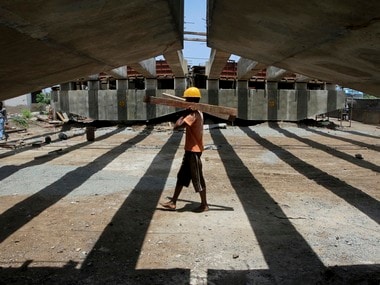 Reuters[/caption]The note said looking at the gross value added (GVA) growth is a better gauge and estimate growth to slow down to 6.7 percent in FY17 as against the previous fiscal's 7.8 percent under the method.Foreign brokerage Bank of America Merill Lynch said the decision to ban over 85 percent of the outstanding currency by abolishing Rs 500 and Rs 1,000 notes led to an impact of over 1 percentage point on growth."Although December quarter (Gross Value Added) growth, at 6.6 percent, surprised on the upside (as against an estimate of 6 percent), it is still lower than the 7.5-8 percent projected by us in 2HFY17 before the demonetisation shock...demonetisation hit growth by over 1 percent," it said.Private sector lender IDFC Bank said the services sector has been hit the hardest by the demonetisation exercise, but the economy was able to show a 6.6 growth on GVA basis due to an uptick in agricultural activity and industrial sector."Services sector did see an impact of demonetisation with growth sliding to 6.8 percent from 8.2 percent in Q2 FY17. The decline in services growth is attributable to financial, real estate and professional services category," a note from the bank said.The Central Statistics Office (CSO) put the growth rate for October-December 2016 period at 7 percent, compared to 7.4 percent in the second quarter and 7.2 percent in the first quarter.The government also pegged GDP growth for FY17 at a higher-than-expected 7.1 percent for the current fiscal despite note ban with agriculture sector doing exceptionally well, helping India retain the tag of world's fastest growing major economy.Analysts at BofAML said the Reserve Bank needs to cut rates for pushing the growth number."We continue to point out that lending rate cuts are needed for a cyclical recovery. While reforms could push up potential over, say, five years, the immediate challenge is to get back to current potential growth," it said.

Google burns cash for first time as AI spending pushes 2026 capex to $205 billion
Tesla sells more cars but makes less money: Why Musk’s AI pivot is squeezing profits
No premium queues, 30-minute target: What changes for Indian passport applicants in UAE
Bharat Forge, Flying Whales sign pact to develop 60-tonne airships for India’s defence logistics
Air India to cut Delhi-Toronto flight time by 3 hours, resume non-stop services from August 1