



Need to avoid beggar-thy-neighbour policies: Raghuram Rajan

New Delhi - RBI Governor Raghuram Rajan has said there is need to avoid beggar-thy-neighbour policies and sustained exchange-rate intervention that primarily induce capital outflows and competitive currency devaluations."In an ideal world, the political imperative for growth would not outstrip an economy's potential. In the real world, where social-security commitments, over-indebtedness, and poverty will not disappear, we need ways to achievesustainable growth.[caption id="attachment_2575436" align="alignleft" width="380"]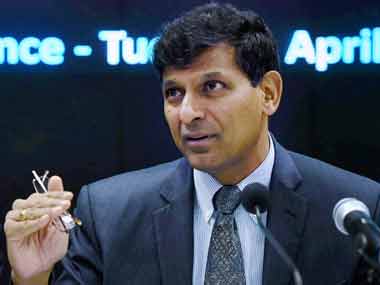 Raghuram Rajan. PTI[/caption]"Above all, we need to avoid beggar-thy-neighbour policies, such as unconventional monetary policy or sustained exchange-rate intervention, that primarily induce capital outflows and competitive currency devaluations," he said in an article in 'Project Syndicate'.Incidentally, China on Thursday lowered the yuan's central rate against the US dollar by 0.51 per cent to 6.5646, the lowest since March 2011. A lower currency would make Chinese exports cheaper and more competitive in the global markets. Indian capital markets joined the global sell-off sparked by China growth concerns. The rupee also fell to more than a three-week low of 66.93.According to Rajan, multilateral institutions like the International Monetary Fund should exercise their responsibility for maintaining the stability of the global system by analysing and passing careful judgement on each unconventional monetary policy (including sustained exchange-rate intervention)."The current non-system is pushing the world toward competitive monetary easing, to no one's ultimate benefit. Developing a consensus for free trade and responsible global citizenship - and thus resisting parochial pressures - would set the stage for the sustainable growth the world desperatelyneeds," he said.Rajan said that developed countries have just one other channel for growth-- boosting exports by depreciating the exchange rate through aggressive monetary policy. "Ideally, emerging-market countries, funded by the developed economies, would absorb these exports while investing for their future, thereby bolstering global aggregate demand," he said.He said that "these countries' lesson" from the emerging-market crises of the 1990s was that reliance on foreign capital to fund the imports needed for investment is dangerous.In response, several of them cut investment in the late 1990s and began running current-account surpluses, preferring to accumulate foreign-exchange reserves to preserve their exchange-rate competitiveness, the RBI Governor added.PTI

Google burns cash for first time as AI spending pushes 2026 capex to $205 billion
Tesla sells more cars but makes less money: Why Musk’s AI pivot is squeezing profits
No premium queues, 30-minute target: What changes for Indian passport applicants in UAE
Bharat Forge, Flying Whales sign pact to develop 60-tonne airships for India’s defence logistics
Air India to cut Delhi-Toronto flight time by 3 hours, resume non-stop services from August 1