



Market regulator SEBI partially accepts Kotak panel recommendations on corporate governance
SEBI also approved a number of measures to strengthen the algo trading framework.

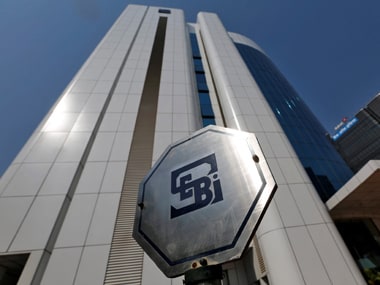
Representational image. Reuters[/caption]Based on data and the recommendations of the Mutual Fund Advisory Committee (MFAC), the Board has approved the proposal to reduce the maximum additional expense allowed for a scheme to 5 basis points, the regulator said in a release. A basis point is one-hundredth of a percentage point.Among the recommendations made by the Uday Kotak panel, SEBI has accepted around 40 of them without any modification. The accepted proposals include capping the maximum number of directorship in listed companies to seven by 1 April, 2020. Addressing the media after the board meeting, SEBI boss Ajay Tyagi said the watchdog has decided to partially accept the committee's recommendations. Out of the 80 odd recommendations, the watchdog would not be accepting around 18 of them.Besides, the regulator plans to amend takeover regulations, permit additional time for entities to increase the open offer price.Algo tradingSEBI also approved a number of measures to strengthen the algo trading framework, including mandating the exchanges to offer shared co-location facilities and providing some services for free. The Board decided to review trading requirement for algo software for strengthening the algorithmic trading framework by mandating stock exchanges to provide a simulated market environment for testing of software used for such high-frequency trades, Tyagi told reporters. These measures are expected to address the concerns relating to market quality, market integrity and fairness on account of usage of algo trading and co-location.Algo trading includes automated rule-based trading where decision-making is delegated to a computer model, while high frequency trading (HFT) is a type of algo which is latency sensitive and is characterised by high daily portfolio turnover and high 0rder-to-trade ratio (OTR). Co-location is a facility provided by exchanges to trading members and data vendors whereby their trading or data systems are allowed to be located within or at close proximity to the premises of the bourses. This facility enables the co-located entities to access the trade/order related data before other non-co-located entities. It also enables co-located members to minimise the time for sending orders to the trading system of the exchange.

JPMorgan to hire 1,000 technology professionals for India GCCs amid AI-led transformation
BOJ seen raising interest rates by December as weak yen fuels inflation risks
'From make in India to launch from India': Skyroot COO on why Vikram-1 could change India’s space sector
Google burns cash for first time as AI spending pushes 2026 capex to $205 billion
Tesla sells more cars but makes less money: Why Musk’s AI pivot is squeezing profits