



Lower levies, fast policy implementation key to attracting $100 billion into telecom sector, says industry lobby COAI
Bringing down total taxes and levies, currently at about 30 percent, to below 10 percent, important for attracting investments into the telecom sector.

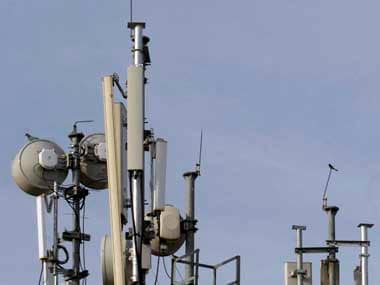
Mobile tower. Reuters[/caption]The draft also proposes to address the woes of the debt-ridden telecom sector by reviewing licence fees, spectrum usage charges, universal service obligation fund levy -- all of which add to the cost of telecom services."Bringing down total taxes and levies, currently at about 30 percent, to below 10 percent, will be important for attracting investment targets outlined in the draft policy document," Rajan Mathews, the Director General of the Cellular Operators' Association of India (COAI), told PTI.He said the industry - reeling under a massive financial stress - would like the policy to be finalised and implemented by the end of July. Mathews said the mobile industry fully supports the NTP blueprint released after public consultations. The draft proposes to adopt 'optimal pricing of spectrum' to ensure sustainable and affordable access to digital communications. High spectrum price and related charges have been the major concern of the telecom services segment that is bruised by a debt of around Rs 7.8 lakh crore.It also proposes to recognise mid-band spectrum, particularly in the 3 GHz to 24 GHz range, for next-generation networks. It also outlined a roadmap for high in-demand backhaul spectrum for transmitting signals between mobile towers in the E and V bands as per international best practices.

China has dominated Myanmar’s rare earth mines — now India eyes deal to harness country’s critical minerals
JPMorgan to hire 1,000 technology professionals for India GCCs amid AI-led transformation
BOJ seen raising interest rates by December as weak yen fuels inflation risks
'From make in India to launch from India': Skyroot COO on why Vikram-1 could change India’s space sector
Google burns cash for first time as AI spending pushes 2026 capex to $205 billion