



New drug policy cleared, essential drugs to cost less
The government cleared the National Pharmaceutical Pricing Policy that will bring 348 essential drugs under price control, leading to reduction in prices.

New Delhi: The government cleared the National Pharmaceutical Pricing Policy that will bring 348 essential drugs under price control, leading to reduction in prices of around 20 percent.
"The National Pharmaceutical Pricing policy has been approved by the Cabinet with an objective to put in place a regulatory framework for pricing of drugs to ensure their availability at reasonable prices," an official source said.
The Cabinet has imposed a cap on prices of 348 essential medicines at the arithmetic average of prices all drugs in a particular segment with more than one per cent market share, in line with GoM's new recommendations.
At present, the government through the National Pharmaceutical Pricing Authority (NPPA) controls prices of 74 bulk drugs and their formulations.
 More from Business
The source said the government has also considered providing sufficient opportunity for innovation and competition to support the growth of the Indian pharma industry.
Last month, the Supreme Court had set a deadline of 27 November for the government to finalise the policy while asking it not to alter the existing mechanism of cost-based drug pricing.
[caption id="attachment_532465" align="alignleft" width="380"]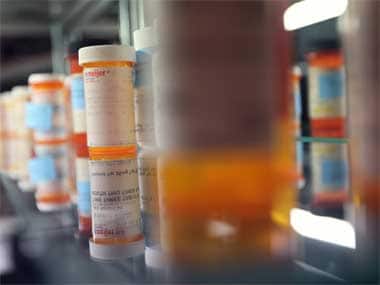 Representational Image. Getty Images[/caption]
Earlier, a group of ministers, headed by Agriculture Minister Sharad Pawar proposed to fix prices based on weighted average of brands which have more than 1 percent market share.
The GoM had met yesterday after the Cabinet had deferred a decision on it following objections from the Finance Ministry.
The policy, that aims to bring 348 essential drugs under price control, was earlier approved by the GoM on 27 September and was subsequently sent to the Cabinet.
After being unable to frame a policy for price control of essential drugs in its previous term, the UPA-II government had last year circulated a draft National Pharmaceutical Pricing Policy, 2011 through the Department of Pharmaceuticals.
The policy, however, took long to finalise due to differences between ministries of health and chemicals and fertilisers. Other stakeholders, industry and NGOs had also expressed their concerns on the pricing model which was suggested.
In 2010-11 the production turnover of the Indian pharma sector stood at Rs 1.05 lakh crore and the country is the third largest producer of medicines by volume in the world. It exports to over 200 countries.
PTI

Can a record May offset a shrunk international schedule and help IndiGo turn a profit?
China has dominated Myanmar’s rare earth mines — now India eyes deal to harness country’s critical minerals
JPMorgan to hire 1,000 technology professionals for India GCCs amid AI-led transformation
BOJ seen raising interest rates by December as weak yen fuels inflation risks
'From make in India to launch from India': Skyroot COO on why Vikram-1 could change India’s space sector