



Fresh support of only Rs 12-13 lakh cr in PM Narendra Modi's economic stimulus package: Report
Of the Rs 20-lakh-crore package that Prime Minister Narendra Modi announced to defend the economy against coronavirus disruptions, fresh support may be only around 60 percent of the offer as it counts the first financial stimulus and liquidity support that Reserve Bank has given already, and will overburden bond market, says a report

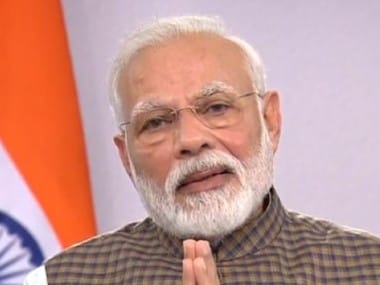
File image of Prime Minister Narendra Modi. ANI[/caption]She further noted that "the new fiscal package is upsized and its scale lends a positive surprise, at a bigger-than-anticipated size with emphasis on making the economy more self-reliant via local manufacturing and improved supply chains”.Click here to follow LIVE news and updates on stock marketsIt can be noted that the government had in late March announced fiscal measures worth Rs 1.7 lakh crore while the RBI offered liquidity support of Rs 3.7 lakh crore in March and Rs 2 lakh crore in April."The new fiscal measures might account to around 60 percent or Rs 12-13 lakh crore. If this includes a wider net of RBI measures, then the new package might amount to Rs 10 lakh crore," Rao said.She further said a coordinated approach is needed to cushion a part of the after effects of the growth slowdown, which will impact incomes, jobs and business viability.The nuances of the measures are key, particularly details on how much is about short-term relief for Micro, Small & Medium Enterprises (MSMEs), sector-specific payouts, cash handouts to the poor, loan guarantees, capital infusion into banks, Mahatma Gandhi National Rural Employment Guarantee Act (MNEGRA) etc, and on medium-term priorities like infrastructure, labour/land reforms etc."This will dictate the extent of economic cushion to growth, incomes and employment outlook this year," she said.On the fiscal side, the report said revenue shortfall is already translating into an increase in the deficit from budgeted 3.5 percent to at least 5.5 percent now. Assuming only part of the spending is reflected in the FY20 fiscal math and capital spending is scaled back, the deficit might rise by another 2.5-3 percent of GDP.On the financing side of the package, the report said it will have to be seen whether bulk of it will be raised through borrowings especially whether the states will participate, or alternate sources like COVID-19 bonds, multilateral loans, tapping offshore investors/ markets, fresh revenue streams (indirect or income taxes on HNIs) etc."Until clarity is available, funding burden will fall on bond markets in the near-term and to stabilise markets, focus will return to RBI''s participation," she said adding market borrowing is likely to rise further, by at least Rs 7-10 lakh crore assuming all is raised domestically and through bond issuances.But the report warns that the pressure will be on RBI to step up bond purchases given the limited absorptive capacity of domestic investors and risk-averse foreign portfolio investors.

Bharat Forge, Flying Whales sign pact to develop 60-tonne airships for India’s defence logistics
Air India to cut Delhi-Toronto flight time by 3 hours, resume non-stop services from August 1
South Korea economy grows faster than expected in Q2 as chip exports power recovery
India remains among fastest-growing major economies despite global uncertainty, says RBI Bulletin
Iran war could cut global growth by more than half: World Bank’s chief economist Indermit Gill