



New export sop scheme to replace DEPB likely today
Though exports have shown a remarkable performance, growing by 54.2 percent between April-August 2011, to $ 134.5 billion, there are concerns that the momentum may not be sustained in the wake of increasing economic problems in the US and Europe.

New Delhi: The curtain will come down on the Duty Entitlement Pass Book (DEPB), the popular tax refund scheme for exporters from today.
A revised Duty Drawback will replace DEBP from 1 October.
Under DEPB, the government spends annually about Rs 8,500 crore for reimbursing exporters.
[caption id="attachment_96346" align="alignleft" width="380" caption="The main beneficiaries of DEPB are exporters of engineering, automobile and chemical products. Reuters"]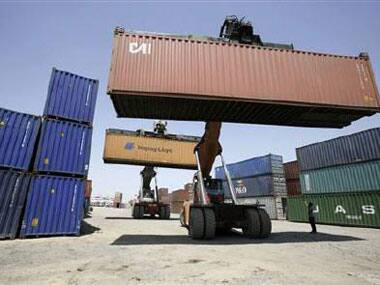 [/caption]
While on paper, the DEPB neutralises the import duty on raw materials for export items, even for those using domestic contents are allowed to avail this benefit, making it popular among the exporting community.
The main beneficiaries of DEPB are exporters of engineering, automobile and chemical products.
Its attractive rates and flexibility also made the scheme a popular one.
Exporters, however, expressed their disappointment over ending of the DEPB.
The Finance Ministry has worked out a compromise between the DEPB and Duty Drawback.
Exports of 1,100 items have now been entitled to lower tax refunds from 1 October, under Duty Drawback Scheme (DDS).
 More from Economy
Since tax incentives for these goods will now be available under the DDS, the total number of items under the DDS would increase to about 4,000 from present 2,835.
Though exports have shown a remarkable performance, growing by 54.2 percent between April-August 2011, to $ 134.5 billion, there are concerns that the momentum may not be sustained in the wake of increasing economic problems in the US and Europe.
PTI

India’s trade surplus with US may cross $90 billion after tariff cuts, says SBI report
Inflation likely to be a big focus area for budget 2024, say sources
Explained: Will the Bank of Japan break tradition and raise interest rates?
UK enters recession, central bank admits
Explained: How the rising US dollar can affect everyone