



Austere Budget 2013 would defy India's pre-election history
Finance Minister P Chidambaram could defy history if he presents a largely austere 2013/14 budget on February 28, ahead of general elections next year.

Finance Minister P Chidambaram could defy history if he presents a largely austere 2013/14 budget on February 28, ahead of general elections next year.
A Standard Chartered analysis showed that since the 1990s, spending invariably rises in the two years leading up to a general election.
[caption id="attachment_635549" align="alignleft" width="380"]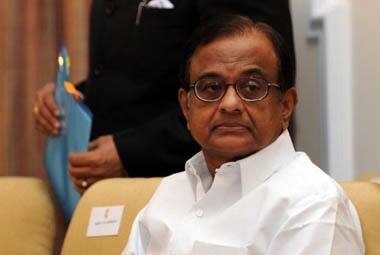
The biggest welfare move expected in the current budget is the food security bill. AFP[/caption]
For example, the government during 1991-96 cut average real expenditure by an annualised 4 percent in the first two years of its term, but raised it by 3.6 percent in the final three years, Stanchart said.
The trajectory was similar for the governments in power from 1999-2004 (2.8 percent versus 9.0 percent) and 2004-09 (-1.9 percent versus 14 percent), the lender said.
The biggest welfare move expected in the current budget is the food security bill, which will likely raise annual food subsidies to 1.12 trillion from Rs 75,000 crore now, almost a 50 percent hike, Standard Chartered predicted, quoting government estimates.
 More from Economy
Reuters

India’s trade surplus with US may cross $90 billion after tariff cuts, says SBI report
Inflation likely to be a big focus area for budget 2024, say sources
Explained: Will the Bank of Japan break tradition and raise interest rates?
UK enters recession, central bank admits
Explained: How the rising US dollar can affect everyone