



Carlos Ghosn’s ‘illegal’ arrest interrupts his treatment for chronic kidney failure, alleges defence document
Carlos Ghosn’s “illegal” arrest has interrupted his care for chronic kidney failure, which the former Nissan Motor boss suffers from as a result of treatment for high cholesterol, his defence said in documents seen by Reuters on Thursday

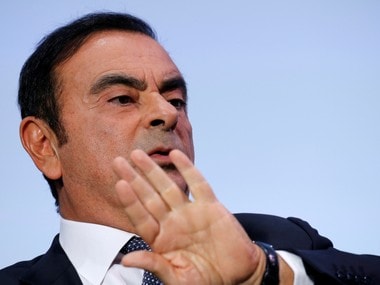
File image of Carlos Ghosn. Reuters[/caption]Before the latest arrest, Ghosn - once one of the world’s most-feted auto executives for his rescue of Nissan from the brink of bankruptcy two decades ago - denied all allegations against him and said he was the victim of a boardroom coup.“This arrest is illegal,” the defence said in one of the documents, dated 5 April, the day after he was re-arrested.Ghosn has high cholesterol and, as a result of treatment, suffers from chronic kidney failure and rhabdomyolysis, the defence said. Rhabdomyolysis is a syndrome where muscle fibres release their contents into the blood stream.Interrupting his treatment for the “convenience of prosecutors’ investigation” was “inhuman”, the defence said.The documents also include an account from Ghosn’s wife, Carole, who said prosecutors prevented her from contacting her lawyer on the morning of her husband’s re-arrest.She said she was repeatedly subjected to body checks, forced to keep the bathroom door open when using the toilet, and that a female investigator was present in the bathroom when she undressed to take a shower.“I felt that they were humiliating and coercing me with these inhuman actions,” Carole Ghosn said in her account, dated 4 April, the day of her husband’s re-arrest.Following the arrest, Carole Ghosn went to France to seek help from the French government. Her husband is a French, Brazilian and Lebanese national.She has since returned to Japan and on Thursday was questioned by prosecutors at the Tokyo District Court, the Kyodo news agency reported.Prosecutors are questioning Carlos Ghosn for as much as 14 hours a day, sometimes in the middle of the night, said a person with knowledge of the conditions of Ghosn’s detention, and who was not permitted to speak publicly on the matter and so declined to be identified.The development is likely to renew focus on what has been characterised in the West as Japan’s unduly harsh judicial system - a system branded “hostage justice” by critics and defended by local authorities.

China has dominated Myanmar’s rare earth mines — now India eyes deal to harness country’s critical minerals
JPMorgan to hire 1,000 technology professionals for India GCCs amid AI-led transformation
BOJ seen raising interest rates by December as weak yen fuels inflation risks
'From make in India to launch from India': Skyroot COO on why Vikram-1 could change India’s space sector
Google burns cash for first time as AI spending pushes 2026 capex to $205 billion