



Budget 2018: Jaitley should bring electricity under GST; exclusion has magnified power sector's blues
The govt should impose GST on electricity to allow power companies to claim input credit on coal, equipment, and other business expenses which would aid in lowering the cost of electricity

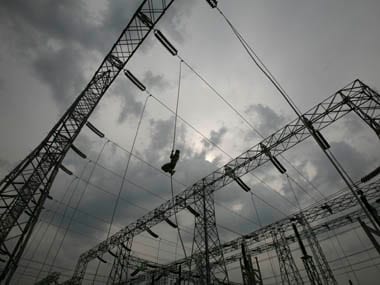
Representational image. Reuters[/caption]India is experiencing a lack of coal supply in the domestic market. Accordingly, power plants are compelled to import coal to meet their energy requirements. Since there are no taxes on electricity on the output side, any duty imposed on the procurement of coal forms a cost for the power companies. The burden of such increased cost is ultimately borne by the end consumer. Further, multiple operational inefficiencies and outstanding debts have led to a poor financial health of India’s power sector.Currently, basic customs duty (BCD) at the rate of 2.5 percent is levied on import of coal. It is crucial that the BCD rate on coal is reduced to nil in the upcoming Budget 2018-19, so as to bring down the cost of production of electricity and to revive the sector from debt. Another welcome move that could boost the power sector would be a lower GST rate on coal which is currently taxed at 5 percent.To meet the ever-increasing energy requirements of the country, efforts are being made to increase the supply of renewable sources of energy. The renewable energy sector is eligible for various tax exemptions and concessions owing to the significant setup costs associated with it as well as the government's agenda of promotion of green energy.Prior to the introduction of GST, the power sector enjoyed a multitude of exemptions such as Excise Duty exemption on the procurement of equipment required for initial setting up of solar or wind power plants and project for generation of power using non-conventional materials. Exemption from payment of VAT/CST in some states was also granted on setting up of power plants. However, such exemptions for setting up of power plants have not been grandfathered in the GST regime and hence GST paid on equipment procured for setting up of such power plants have led to substantial increase in project cost and related cash flow problems.In order to meet the government’s objective of uniform and consistent supply of electricity to everyone and its initiative "24x7 Power for All", it is essential that exemption from GST is provided to equipment procured for initial setting up of solar or wind power plants and for projects generating power using nonconventional materials. This would also help in reducing the costs of the sector which are already capital expenditure heavy.Finance Minister Arun Jaitley will present India’s first post-GST budget on 1 February 2018. With the advent of GST from 1 July 2017, the Indian indirect tax regime has been completely overhauled. While all goods and services are covered under GST, there are certain goods which are not, one of them being 'electricity'. Currently, an electricity duty is levied by state governments on electricity. It is suggested that the govt impose GST on electricity to allow power companies to claim input credit on coal, equipment, capital goods, services and other business expenses which would aid in lowering the cost of electricity.Pruning of exemptions, levy of taxes and rising prices of raw materials have led to a significant increase in the cost of electricity. Though the input cost has risen, power companies are unable to increase their prices due to several regulatory restrictions. This has resulted in high financial losses and the huge debt burden is hampering the development of the power sector. The sector is also unable to attract new investments which affect the viability and efficiency of power projects. The finance minister should introduce adequate measures to revive the power sector which has a significant impact on the overall socio-economic development of the country.Anoop Kalavath is senior director at Deloitte India, whereas Maitri Vikam is manager at Deloitte Haskins and Sells LLPClick here for full coverage of Budget 2018

BOJ seen raising interest rates by December as weak yen fuels inflation risks
'From make in India to launch from India': Skyroot COO on why Vikram-1 could change India’s space sector
Google burns cash for first time as AI spending pushes 2026 capex to $205 billion
Tesla sells more cars but makes less money: Why Musk’s AI pivot is squeezing profits
No premium queues, 30-minute target: What changes for Indian passport applicants in UAE