



Brussels attack: Terror strikes will not deter techies from signing up for projects in Belgium
The difference in salaries is the clincher when it comes to foreign postings.

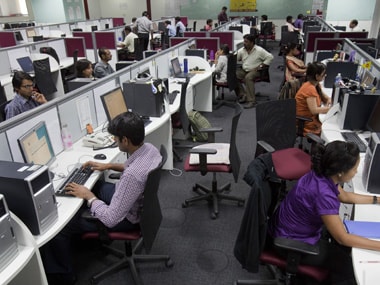
Representational image. Reuters[/caption]Medical insurance is for a meagre amount in most companies in the IT sector, says Rathod and in most cases it is the employee who picks up the tab of his medical bills. “I had a lot of health issues in my first few years in the US and had to forego a large part of my salary for my bills. But I would prefer to be in the US than anywhere else in the world as I will be able to provide my family a better life,” says Rathod.Any employee who loses a limb or is killed on duty will be paid compensation for loss and the family will get the dues quickly if he works for a blue chip IT firm. In most cases, families have to make several trips and send many mails before they can get the money.Window abroadFreshers in the IT industry are on the lookout for postings abroad from the time they enter the firm. The good performers get to go abroad soon enough but the usual wait is two years, say industry sources. If the employee is ignored and not sent abroad even after the two-year period, he prefers to quit the job and search for another than wait indefinitely for his chance.“The US is the country of dreams for most software developers in the country followed by the UK and other European countries,” says Kris Laxmikanth, chairman and managing director, The Head Hunters India, Bengaluru. “The salaries remain the same when converted into dollars, pounds or euros or any other currency. But people still prefer the US as the cost of living in the UK for instance, is high and that dents the potential savings of an employee,” says Laxmikanth.The difference in salaries is the clincher when it comes to foreign postings.War, terror or any other strikes won’t dampen the eagerness of the techie. There are two types of techies. There are some techies who are from very affluent families and will prefer to stay in India after a couple of years abroad and then start-up or join the family business. The other category is the large number of people who are tech graduates and want to improve their work and life prospects, says Laxmikanth. “For the second category, the US is the country of their dreams that they want to reach.”Laxmikanth cites an instance of a blue chip IT firm that could not get a US visa to its employee who was eager to go on a project. That did not dampen the employee who approached a few bodyshoppers — faux consulting companies that recruit H1B workers from overseas — who help get US visas. She got her’s done through one of such company incurring a personal cost of Rs two lakh. “That is the desperation to reach American shores,” says Laxmikanth.Be it handling canteen work in US-managed canteens in West Asia or Sudan, where work is outsourced to third parties and attracts a lot of Indian labour, or infrastructure work in war-torn Afghanistan or troubled areas in Iran or Iraq, there is always an Indian willing to risk his life and work in these areas.The HR policy of most IT firms is skewed against employees and this shows up especially during appraisal time. An industry source mentions how HR heads are forced to prune around five percent of employees annually.With cut-throat competition, the fear of job loss — the axe most times, says the industry source, falls on the IT employee even though it is not his fault that the sales and marketing team could not secure a project or contract for the company — the prospects of high salaries and better savings, is it any wonder that there are vacancies that will be filled in most parts of the world, troubled or risky?The only colour that matters is the colour of money and the promises with which it comes.

Google burns cash for first time as AI spending pushes 2026 capex to $205 billion
Tesla sells more cars but makes less money: Why Musk’s AI pivot is squeezing profits
No premium queues, 30-minute target: What changes for Indian passport applicants in UAE
Bharat Forge, Flying Whales sign pact to develop 60-tonne airships for India’s defence logistics
Air India to cut Delhi-Toronto flight time by 3 hours, resume non-stop services from August 1