



Aviation options: 50 percent hike in spot fares or slow death
Spot air fares will have to rise 50 percent to make aviation in India viable. This means consumers have been subsidised too much for too long

New Delhi: Kingfisher Airlines' woes are expected to raise ticket prices for domestic travel by up to 15 percent. But the larger question - of an industry which is bleeding and needs urgent cash infusions - can only be addressed if there is a substantial increase in fares collectively by all airlines.
Keyur Joshi, co-founder and COO of travel portal makemytrip.com advocates a drastic remedy: increase spot fares (fares for last-minute tickets) by 50 percent!.
"In 2003, when the aviation industry was making reasonable profits, a one-way Delhi-Bangalore fare was Rs 12,800. Almost a decade down the line, when inflation should have pushed fares up by over 80 percent, this ticket can be bought at the last minute at Rs 7,500. How will the industry survive like this?".
 More from Business
[caption id="attachment_241979" align="alignleft" width="380" caption="Each day, there are roughly 60 flights between Delhi and Mumbai whereas smaller towns such as Ludhiana, Kanpur and Surat have little presence on the route map of most airlines."]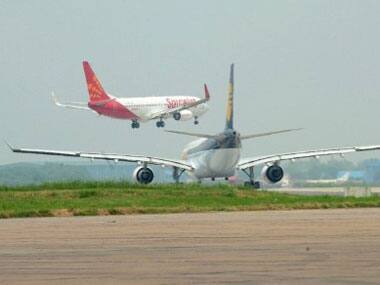 [/caption]
Joshi admits that there will be a one or two-month dip in traffic if fares are raised drastically but then, "things will return to normal. People will either begin to book at least a week in advance or will be forced to shell out significantly higher fares if they book at the last minute. But airlines are scared, no one wants to take the first step. It's a case of who blinks first?"
So while Kingfisher's withdrawal of about 40 flights from its curtailed winter schedule may help competitors make hay for a short while, the industry needs to gear up for the bitter medicine of a temporary fall in traffic after spot fares are raised significantly.
Of course, any concerted effort by the industry to raise spot fares will draw the unwelcome attention of the Director-General of Civil Aviation (DGCA), which has insisted that airlines should maintain fares in the price buckets defined by it. Aviation experts say the government should not be in the business of tracking fares and should actually allow airlines to raise prices substantially, at least for the short term, to infuse some life into the moribund aviation industry.
Not just fares, even the obsession of most Indian airlines with connecting the bigger cities at the cost of smaller ones which have large untapped business potential is also draining resources, say experts. Each day, there are roughly 60 flights between Delhi and Mumbai whereas smaller towns such as Ludhiana, Kanpur and Surat have little presence on the route map of most airlines.
Some of this distortion has been corrected by airlines like SpiceJet which have launched regional operations using smaller aircraft, but SpiceJet is a south-focused airline and the potential traffic from significant north Indian towns is not tapped. Not only do airlines not launch enough flights across these cities, their airport infrastructure is also ill-equipped to handle large aircraft.
So the prognosis of most aviation experts is simple even if it sounds drastic: raise spot fares significantly, realign capacities to include smaller routes and live with the traffic disruptions this will cause for a while before things start falling into place again.

Google burns cash for first time as AI spending pushes 2026 capex to $205 billion
Tesla sells more cars but makes less money: Why Musk’s AI pivot is squeezing profits
No premium queues, 30-minute target: What changes for Indian passport applicants in UAE
Bharat Forge, Flying Whales sign pact to develop 60-tonne airships for India’s defence logistics
Air India to cut Delhi-Toronto flight time by 3 hours, resume non-stop services from August 1