


World Breastfeeding Week 2019: The special mother-child bond with innumerable benefits
Breastfeeding is a natural process of nursing the baby & should be done in the first hour after birth.


The first mother-child contact promotes a bond between the two.[/caption]Furthermore, for the first six months of the baby's lives, this form of food should be the exclusive diet i.e. no food, no water, just breast milk. However, oral rehydration salts (ORS), drops and syrups of minerals, vitamins and medicines are allowed. Post this time frame; a healthy meal should complement breastfeeding.Despite the significance and benefits of breastfeeding, as per a report by UNICEF and the World Health Organization (WHO), approximately 7.8 crores or two in five newborns are not breastfed within their first hour, globally. India ranked 56th among the 76 countries on early initiation of breastfeeding. This trend was prevalent in low-and-middle-income countries of East Asia and the Pacific.
A Mother's Health
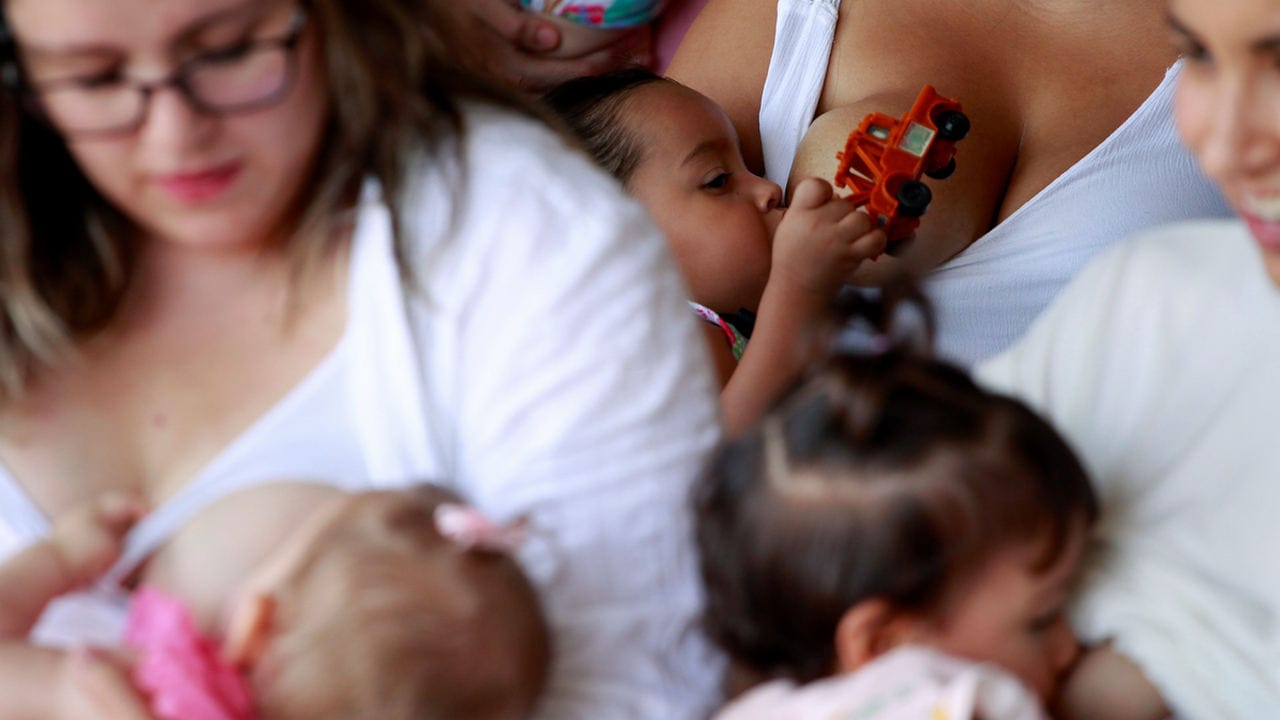 Mothers nurse their children to mark the World Breastfeeding Week to promote global support for breastfeeding. Image credit: REUTERS/Jose Luis Gonzalez[/caption]Hence, a breastfed child lacking Vitamin D, should either be provided with supplemental or be given sufficient sunlight exposure. Absence of this puts a child at risk of getting rickets, a disease that impacts the growth and development of bones. As per the American Academy of Pediatrics (AAP), all breastfed infants should receive a daily supplement of 400 international units of vitamin D, beginning soon after birth. For a nursing woman to be self-sufficient to provide this essential nutrient, she would need a daily intake of over 600 international units from diet or supplements. One way of getting this amount is through a 15-minute exposure to the mid-day sun in summer, which nearly produces over 10,000 IU. AAP however, does not recommend direct sunlight for the child as it can risk them to skin cancer.Furthermore, anaemic mothers risk their babies having weak foetal growth in the womb. The baby is also at a threat of being born prematurely and having a low birth weight. Thus, sufficient intake of iron is necessary to make haemoglobin and neurological development during early childhood. As per AAP, most children have four moths iron stored in their bodies. But as breast milk does not contain enough of it, the child should be given 1 milligram for each kilogram of body weight each day, at four months, after a doctor's consultation.B12, another prevalent scarcity found in women adversely affects a child's development. This vitamin assists in brain development and producing healthy red blood cells. Inadequacy of it can lead to a disorder of movements like tremors, twitches, etc. Vitamin B12 is most commonly found in foods from animals, therefore breastfeeding mothers who are vegetarian or on a vegan diet should consult a doctor for possible supplements to overcome this deficiency.[caption id="attachment_7112261" align="alignnone" width="1280"]
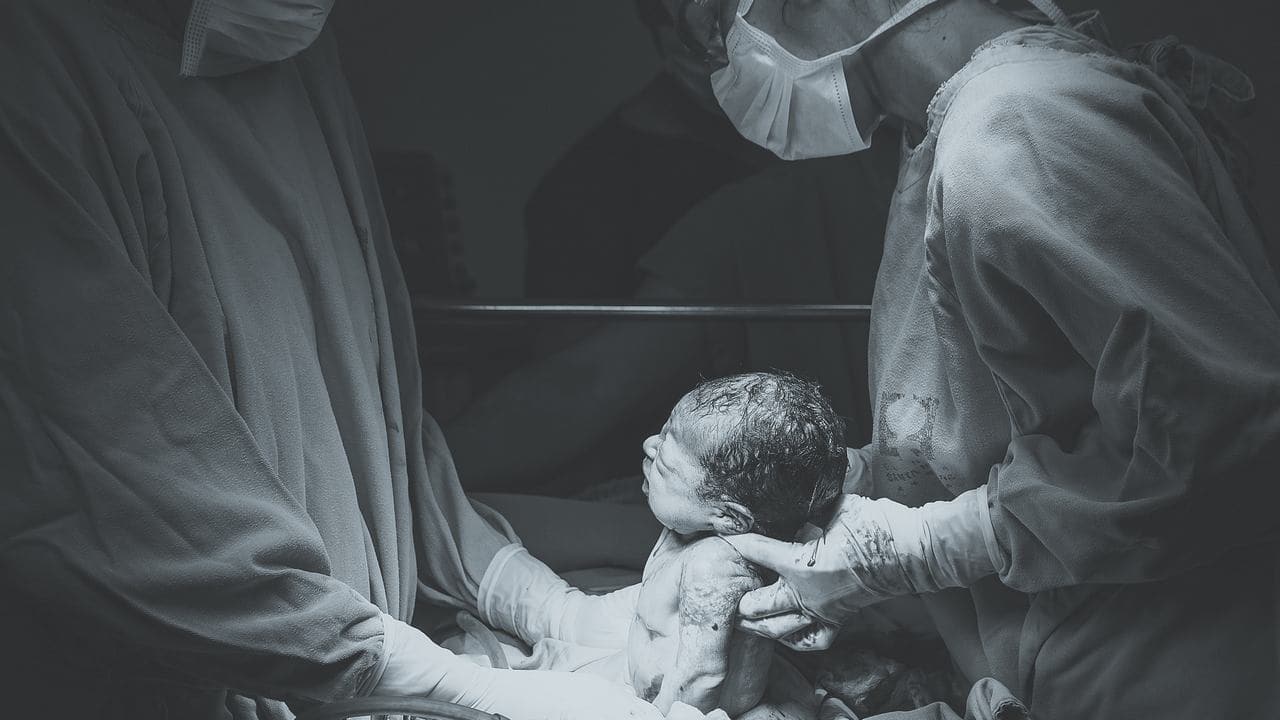 The baby should be breastfed in the first hour after birth which is also known as the 'golden hour'.[/caption]Though there is no specific diet, eating healthy and balanced is the mantra for the new mothers. It means intake of fruits, green and leafy vegetables, proteins, wholegrain, nuts and seeds. The mothers should also keep themselves hydrated by drinking water or liquids like milk and fresh fruit juices.It was earlier estimated that breastfeeding women should have an additional intake of 500 calories; however, this theory has now changed to 330 calories a day. But, this is not a rule, if they feel satisfied with their regular intake, then they can keep following a balanced diet.Another aspect of breastfeeding is the various myths related to the simple act of feeding a child. Let's check out a few of them and how true they are:
- Eat simple food while breastfeeding- It's about eating right for breastfeeding mothers. Also, babies adapt to the mother's food preferences from the time they are in the womb.
- Exercise affects the taste of your milk- There is no proof of this; in fact, exercising is as healthy for breastfeeding mothers as anyone else.
- Don't breastfeed when sick- in some cases, mother’s medication may necessitate a break from break feeding, but not in all cases. Therefore, it is important to discuss with your doctor whether to feed or not, while you are ill.

Indian trucker arrested in US over alleged theft of $3 million worth of tungsten powder
Austria turns Hitler’s birthplace into a police station 81 years after his death: 5 things to know
Nawaz Sharif wants to become prime minister of PoK — but laws framed by Pakistan disqualify him
Fake jobs, tourist visas: Inside Russia’s vast network luring foreigners to fight Ukraine war
As Pakistan eyes American dollar for Iran mediation, economists sound the alarm: ‘It can buy time, not growth’