


Saudi Arabia rounds up princes, doubles down on Yemen: Kingdom's actions worry US
The State Department, US diplomats, the Pentagon and the CIA are all looking on with "growing alarm" at Saudi Arabia's Prince Mohammad bin Salman's actions.

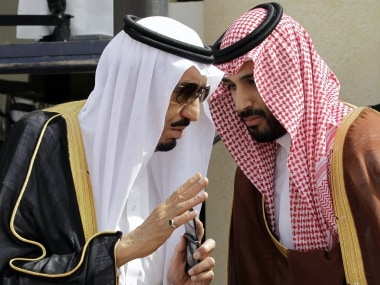
File image of King Salman (left) and Crown Prince Mohammed bin Salman (MBS). AP[/caption]The coalition imposed a blockade on all aid deliveries to rebel-held territory in the wake of a failed missile attack against Riyadh airport one week ago by Yemen's Iran-backed Huthi rebels. Iran vehemently denied a Saudi charge that it supplied missiles to the Huthis but said they were justified in responding after years of bombardment.Warning of new coalitionLebanon has also become increasingly embroiled in the regional rivalry between Riyadh and Tehran, prompting Tillerson to step in and urge all parties not to use the country to settle their differences. "The United States cautions against any party, within or outside Lebanon, using Lebanon as a venue for proxy conflicts or in any manner contributing to instability in that country," Tillerson said.International concern over Lebanon also sparked a warning from the UN chief that a new regional conflict must be averted.Secretary-General Antonio Guterres said he was "very worried" a conflict could break out in Lebanon and that he was engaged in intense contacts with all players to urge de-escalation. "It is essential that no new conflict erupt in the region," Guterres told reporters. "It would have devastating consequences."Lebanon's prime minister Saad Hariri resigned in a shock move from the Saudi capital last week, citing Iran's "grip" on his country and threats to his life. But the head of Lebanon's powerful Hezbollah movement on Friday accused Saudi Arabia of holding Hariri hostage against his will. "The head of the Lebanese government is detained in Saudi Arabia, he is banned from returning to Lebanon until now," Nasrallah said in a televised address.Foreign policy experts advise cautionLori Plotkin Boghardt, an expert in Gulf Arab politics and US-Saudi relations at The Washington Institute, says the need for an anti-corruption drive "should not be dismissed." Nevertheless, she adds: "The scale and scope of the arrests... is unprecedented in recent Saudi history, especially of this type of elite elements. So this is a politically risky move."The crown prince's power grab at home is mirrored in his "risky — some would say brave, some would say rash — policies in the region.""He's essentially attempting to wipe out opponents," Boghardt said.Simon Henderson, another Washington Institute fellow who has worked as a consultant for Arab governments, is also concerned. "The events are unprecedented and we don't know where they're going to end up and, frankly, I don't think the Saudis know where they're going to end up as well," he said.Prince Mohammed, Henderson suspects, believes his power play will strengthen his own position and encourage foreign investment. "I think he may be wrong on both counts," he warns.With inputs from AFP

India rejects Pakistan's 'baseless' claims at Asean, says Indus Waters Treaty to remain on hold
Indian trucker arrested in US over alleged theft of $3 million worth of tungsten powder
Austria turns Hitler’s birthplace into a police station 81 years after his death: 5 things to know
Nawaz Sharif wants to become prime minister of PoK — but laws framed by Pakistan disqualify him
Fake jobs, tourist visas: Inside Russia’s vast network luring foreigners to fight Ukraine war