


Pfizer-BioNTech vaccine offers over 95 percent protection against COVID-19, says largest real-world study
The global use of the Pfizer/BioNTech vaccine is limited by supply issues, high costs, and ultra-cold chain storage requirements.

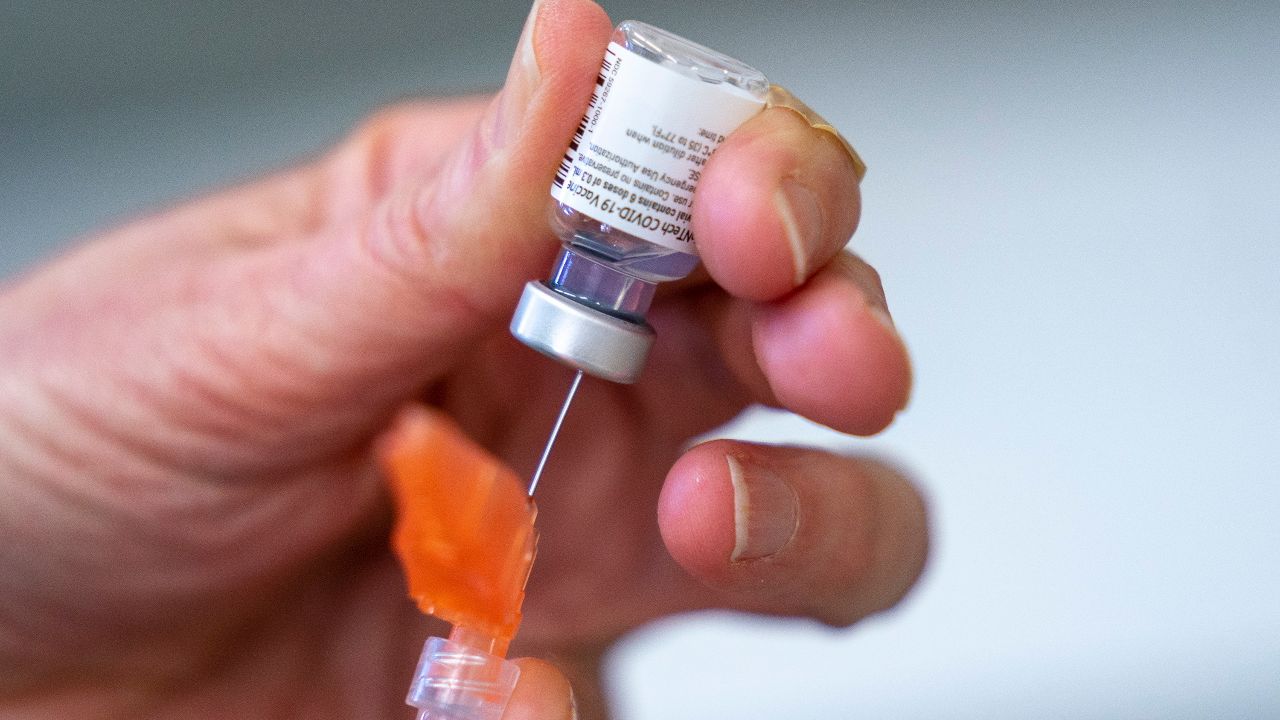
After 14 days, that protection increased to 96.5 percent and 98 percent, respectively. But the protection was considerably lower when people received just a single vaccine dose. Image credit: Jonathan Hayward/The Canadian Press via AP[/caption]By the start of April, nearly five million people in Israel had received two doses of the Pfizer/BioNTech jab, more than 70 percent of the population.The study found that two doses conveyed 95.3 percent protection against infection and 96.7 protection against death seven days after the second dose.After 14 days, that protection increased to 96.5 percent and 98 percent, respectively.But the protection was considerably lower when people received just a single vaccine dose.Between seven and 14 days after the first dose, protection against infection was found to be 57.7 percent, and protection against death 77 percent.The authors said that one dose may provide a shorter window of protection, especially in an environment where new viral variants emerge."Importantly, the study shows that two doses of the vaccine significantly increase levels of immunity and protection," said Jonathan Ball, professor of Molecular Virology at the University of Nottingham, who was not involved in the research. "This is why it is important that people get both doses."During the analysis period, there were 232,268 confirmed Covid-19 infections, and nearly 95 percent of samples tested were found to be the English B117 variant. There were 4,481 severe infections and 1,113 deaths.The team behind the research said that they were not able to study the effect of the South African variant, which has also been identified in Israel.Before Thursday, the largest real-world study of the Pfizer/BioNTec vaccine, also in Israel, was nearly five times smaller, involving 1.2 million people.Writing in a comment article, Eyal Lesham of the Chaim Sheba Medical Centre and Annelies Wilder-Smith of the London School of Hygiene and Tropical Medicine, said the study findings "suggest that high vaccine coverage rates could offer a way out of the pandemic"."Regrettably, rapid population-level coverage cannot be easily replicated in many other countries," said the pair, who were not involved in the Lancet study. "The global use of (Pfizer/BioNTech) vaccine is limited by supply issues, high costs, and ultra-cold chain storage requirements."

Nawaz Sharif wants to become prime minister of PoK — but laws framed by Pakistan disqualify him
Fake jobs, tourist visas: Inside Russia’s vast network luring foreigners to fight Ukraine war
As Pakistan eyes American dollar for Iran mediation, economists sound the alarm: ‘It can buy time, not growth’
Are Chinese UN peacekeepers spies? Trump’s UN envoy sends out a warning
Why has Bangladesh’s choice of India spokespersons raised eyebrows?