


No women on the table: Why Trump-Xi summit faced backlash for being masculine and exclusionary
The lack of mention of human rights abuses, the plight of prisoners and China's tendency to flex its muscles around the world, at the US-China summit, garnered attention sceptics.

In a brief yet poignant tweet, Gita Gopinath, an American economist and former deputy managing director of the International Monetary Fund (IMF), pointed out how no woman was sitting at the delegation-level talks between US President Donald Trump and his Chinese counterpart, Xi Jinping.
"A painting of the end of meritocracy: A meeting of the two largest economies and not one woman at the table," Gopinath wrote in the post, sharing a photograph of the meeting, which took place on Thursday.
However, the lack of women was not the only concerning takeaway from the highly anticipated US-China Summit. The lack of mention of human rights abuses, the plight of prisoners and China's tendency to flex its muscles around the world also garnered attention.
With the two leaders mainly discussing trade and ongoing wars in Iran and Ukraine, many pointed out how the summit was more militarised and exclusionary, rather than addressing human interest issues.
 More from World
No women at the Trump-Xi delegation-level talks
The bilateral summit featured all the expected pomp and pageantry. However, conspicuously absent at the table during the delegation-level talks were women. The masculine visual garnered criticism from many experts.
“We have somehow gravitated back to this idea that what matters is your network and not your capabilities – and that matters [in terms of] whether or not you get a seat at the table," Gopinath told The Guardian.
“It’s just inexplicable how you end up with a single-gender table, given the many talented women around the world," she added. Interestingly, the photograph of this year's bilateral meeting was compared to a similar one conducted during Barack Obama's presidency.
“We’ve gone backwards. Obama-era US-China summits included women at the table. Now neither superpower thinks women belong in the room where great power politics happens. This isn’t just American failure – it’s a bilateral signal that women’s voices don’t matter in shaping the global order," Halima Kazem, associate director for Stanford University’s program in feminist, gender and sexuality studies, told the British news outlet.
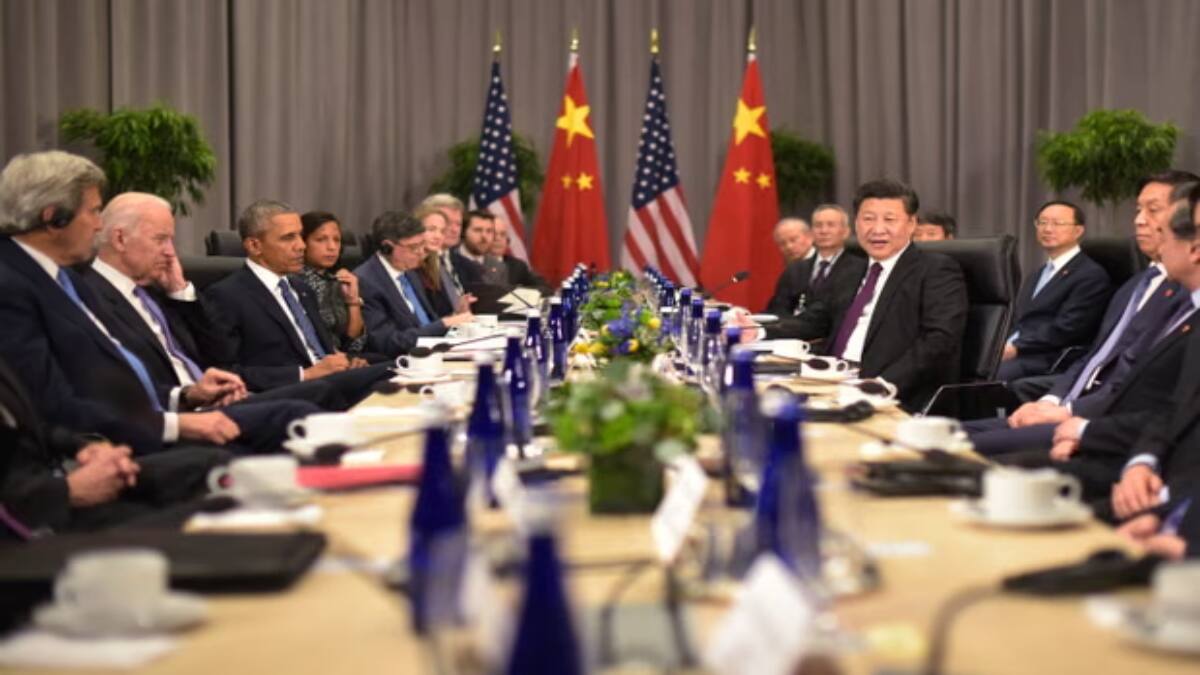
It is pertinent to note that the Women seated at previous US-China bilateral meetings during Obama’s presidency included Liu Yandong, China’s then vice-premier, as well as Susan Rice, US national security adviser, and Hillary Clinton, then secretary of state.
The Taiwan issue
On the first day of the summit, Chinese President Xi Jinping warned his American counterpart of “clashes and even conflict” over Taiwan. Xi’s remarks were published by China’s foreign ministry following his two-hour-long meeting with the American president on Thursday morning.
Xi started off the summit by insisting that Taiwan remain “the most important issue in the China-US relations.” Through the summit, Beijing has been aiming to reduce US support for the self-governing island, which China claims as part of its territory.
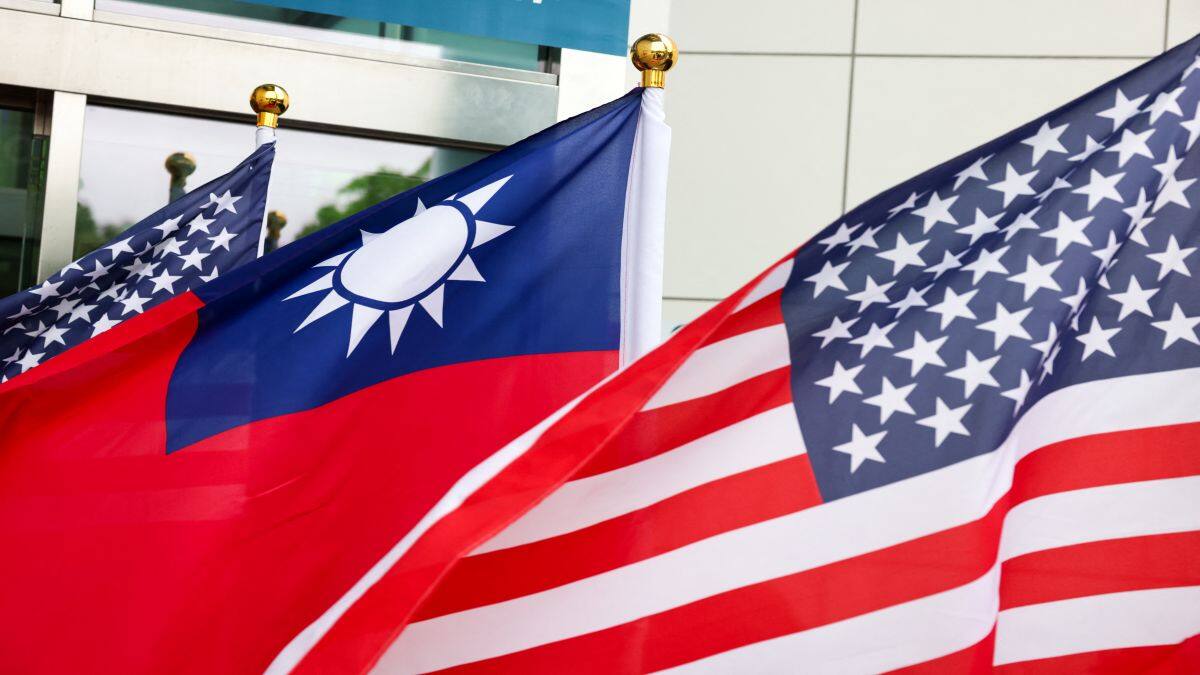
Meanwhile, both Trump and his US Secretary of State Marco Rubio attempted to downplay the situation. During a photo-op session, when journalists asked if both leaders discussed the Taiwan issue, Trump kept mum and posed for photographs with Xi.
The usually outspoken president didn't make much mention of Taiwan in public statements and maintained that he and Xi "settled a lot of problems". Rubio, on the other hand, maintained a conventional American stance on the matter.
In an interview with NBC News, Rubio insisted Xi’s protests had no effect. “US policy on the issue of Taiwan is unchanged as of today and as of the meeting that we had here today,” he said. “It was raised. They always raise it on their side. We always make clear our position, and we move on to the other topics.” Analysts believed that Trump's silence on the Taiwan matter somehow worked in Taiwan's favour.
Focus on trade & war, but little mention of human rights
The two leaders discussed the Iran and Ukraine wars. “We did discuss Iran. We feel very similar about [how] we want it to end. We don’t want them to have a nuclear weapon. We want the Strait open," Trump said.
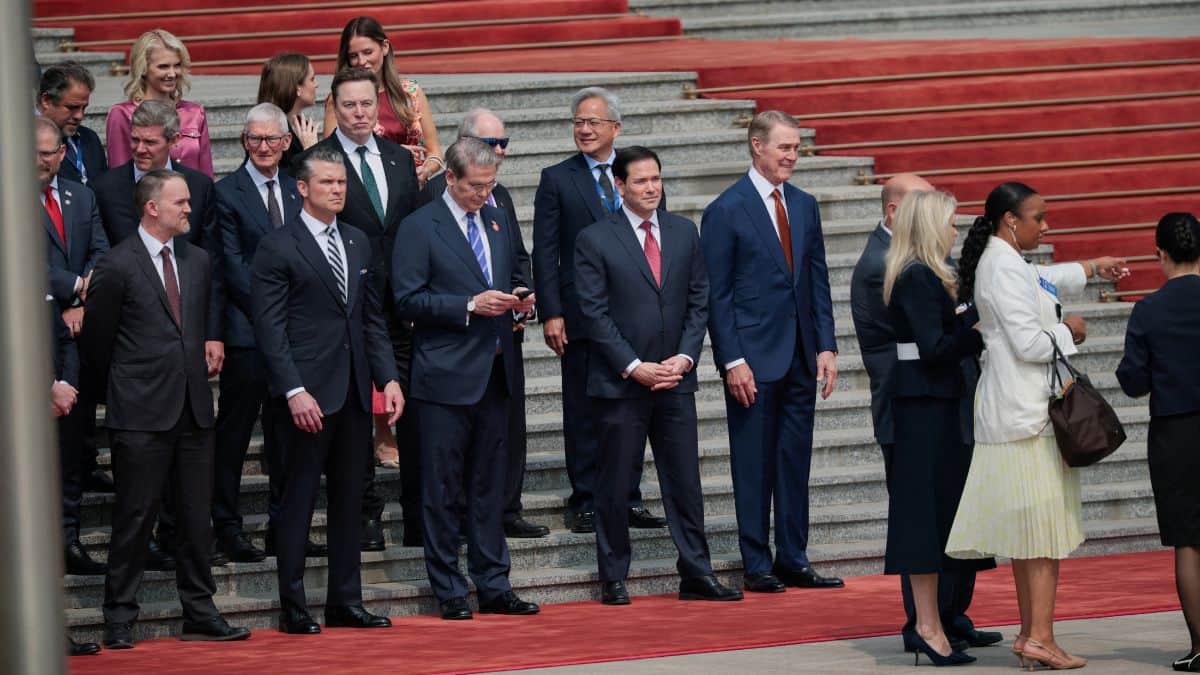
Meanwhile, the US trade representative, Jamieson Greer, told Bloomberg TV that an agreement for double-digit billions of dollars in agriculture sales to China was expected after Trump’s visit. The visit featured American business leaders like Nvidia CEO Jensen Huang.
But what about human rights?
On May 11, right before departing for Beijing, Trump explicitly told reporters in the Oval Office that he'll be discussing the Jimmy Lai case with his Chinese counterpart.
"I’ll bring him up again... I’d like to see him get out," he said in reference to Jimmy Lai. He framed the request as a personal appeal to Xi, though he colloquially noted that Lai had caused "a lot of bedlam" for the Chinese government.
On Friday, Rubio confirmed the issue was brought up. However, it remained a private matter. Rubio told NBC News that the American delegation formally appealed for Lai’s release on humanitarian parole due to his age (78) and declining health. Rubio stated he was "hoping for a positive response," though he did not claim a breakthrough had been reached.
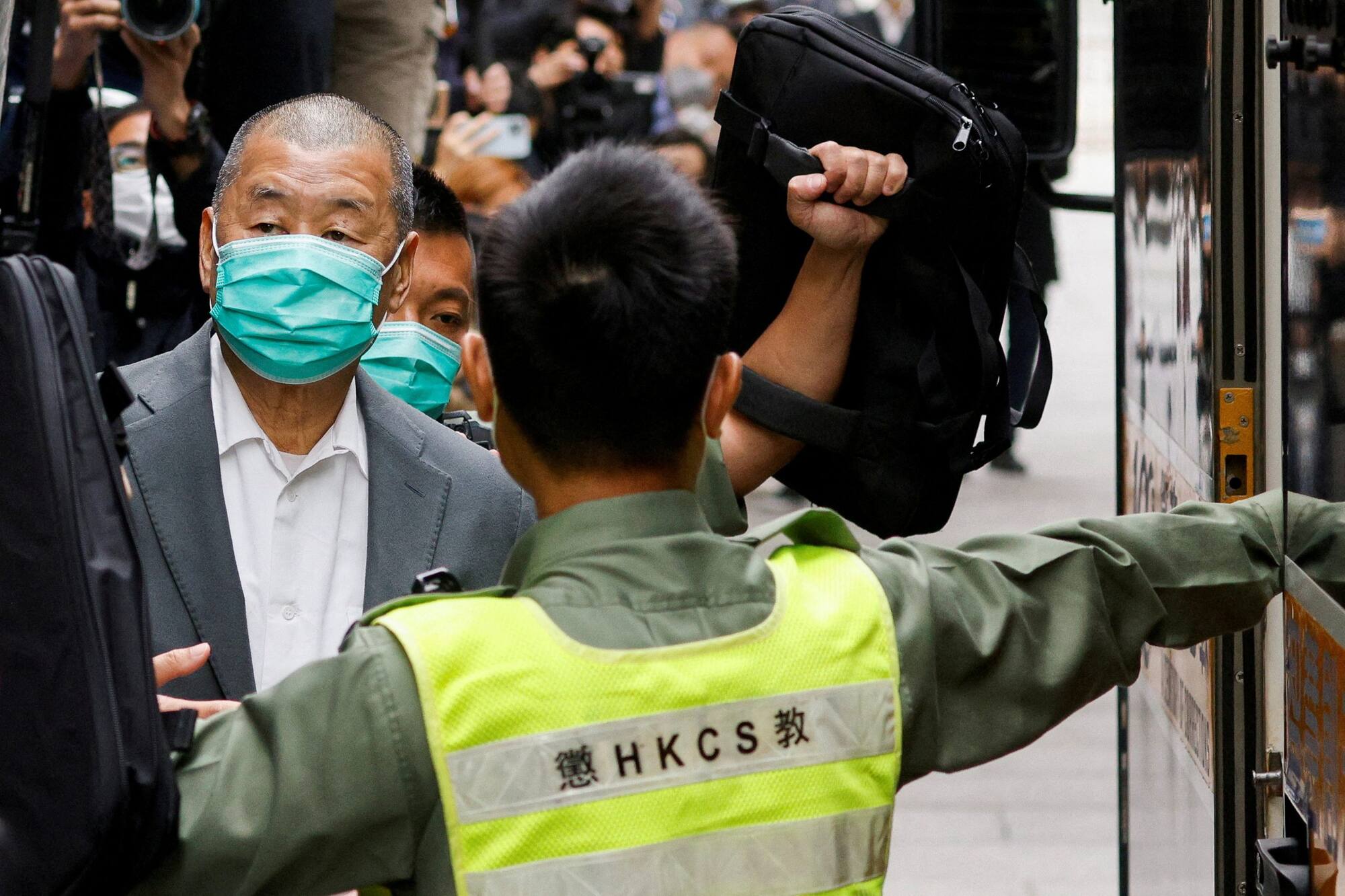
Lai has been serving a 20-year prison sentence following his conviction in December 2025 for serious national security offences, including collusion with foreign forces and sedition. On the Chinese side, the Chinese Embassy and state media (People’s Daily) issued a stern reminder of China's "Four Red Lines," the second of which is "Democracy and Human Rights."
Hence, other issues like China's interference in elections, muscle flexing over smaller nations and espionage practices were also brushed under the carpet. Overall, the summit remained surface-level between both nations,

India rejects Pakistan's 'baseless' claims at Asean, says Indus Waters Treaty to remain on hold
Indian trucker arrested in US over alleged theft of $3 million worth of tungsten powder
Austria turns Hitler’s birthplace into a police station 81 years after his death: 5 things to know
Nawaz Sharif wants to become prime minister of PoK — but laws framed by Pakistan disqualify him
Fake jobs, tourist visas: Inside Russia’s vast network luring foreigners to fight Ukraine war