


New COVID-19 variant spreading in New York, found in samples from November 2020, studies claim
By mid-February, the new variant accounted for roughly one in four viral sequences in a database shared by scientists.

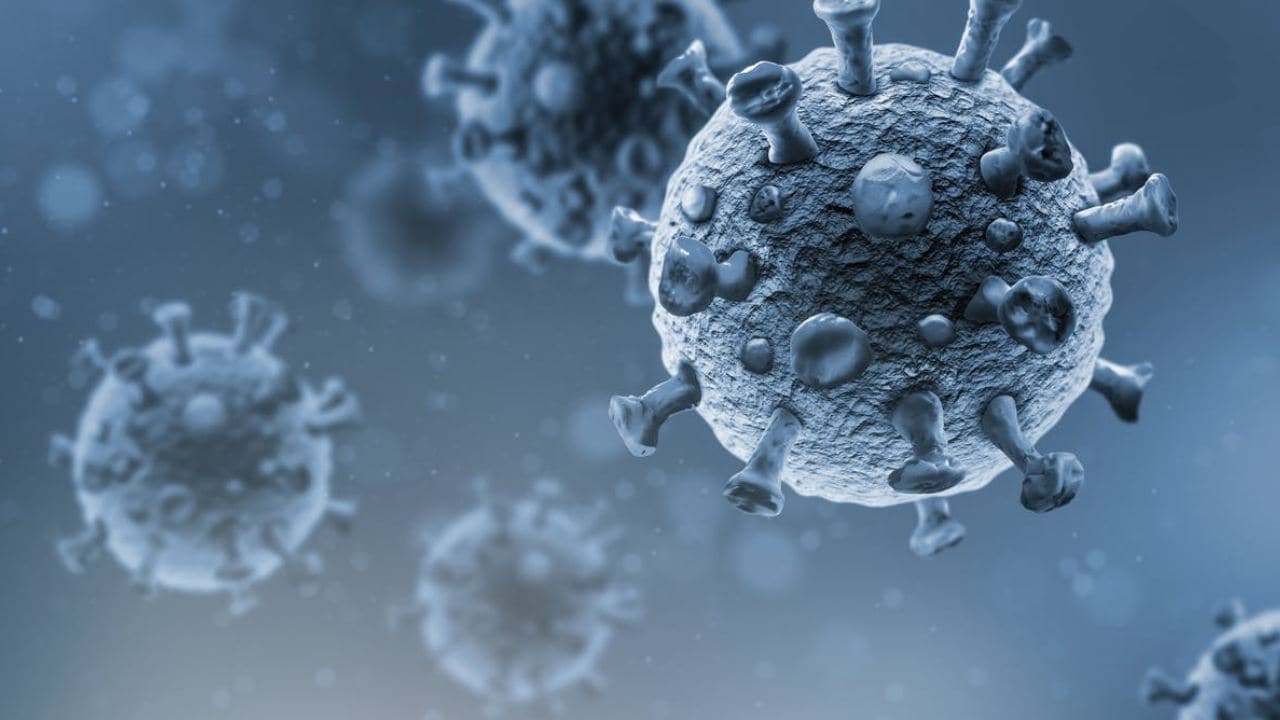
In the acute phase of the immune response, the researchers observed higher antibody levels in subjects with more severe disease. Image credit: fotograzia / Getty Images[/caption]The team also identified six cases of the variant that pummeled Britain, two infections with a variant identified in Brazil, and one case of the variant that took over in South Africa. The latter two had not been reported in New York City before, Ho said.The university investigators have alerted the authorities in New York state and in the city, as well as the Centers for Disease Control and Prevention, Ho said. He and his colleagues plan to sequence about 100 viral genetic samples a day to monitor the variants’ rise.Other experts said the sudden appearance of coronavirus variants was worrying.“Given the involvement of E484K or S477N, combined with the fact that the New York region has a lot of standing immunity from the spring wave, this is definitely one to watch,” said Kristian Andersen, a virologist at the Scripps Research Institute in San Diego, who was not involved in the new research efforts.The E484K mutation has independently cropped up in many different parts of the world, an indication that it offers the virus a significant advantage.“Variants that have an advantage are going to rise pretty fast in frequency, especially when numbers are coming down overall,” said Andrew Read, an evolutionary microbiologist at Penn State University.Ho's team reported in January that the monoclonal antibodies made by Eli Lilly and one of the monoclonal antibodies in a cocktail made by Regeneron are powerless against the variant identified in South Africa.And several studies have now shown that variants containing the E484K mutation are less susceptible to the vaccines than was the original form of the virus. The mutation interferes with the activity of a class of antibodies that nearly everyone makes, Nussenzweig said.“People who have recovered from the coronavirus or who have been vaccinated are very likely to be able to fight this variant off, there’s no doubt about that,” he said. But “they may get a little bit sick from it.”They may also infect others and keep the virus circulating, which might delay herd immunity, he added.But other experts were slightly more optimistic. “These things are a little bit less well controlled by vaccine, but it’s not orders of magnitude down, which would terrify me,” Read said.As the virus continues to evolve, the vaccines will need to be tweaked, “but in the scheme of things, those aren’t huge worries compared to not having a vaccine,” Read said. “I’d say the glass is three-quarters full, compared to where we were last year.”

India rejects Pakistan's 'baseless' claims at Asean, says Indus Waters Treaty to remain on hold
Indian trucker arrested in US over alleged theft of $3 million worth of tungsten powder
Austria turns Hitler’s birthplace into a police station 81 years after his death: 5 things to know
Nawaz Sharif wants to become prime minister of PoK — but laws framed by Pakistan disqualify him
Fake jobs, tourist visas: Inside Russia’s vast network luring foreigners to fight Ukraine war