


Mysterious mass die-off of endangered Caspian seals in Moscow shores under investigation
For decades, seals have suffered from over-hunting and effects of industrial pollution in the Caspian Sea.

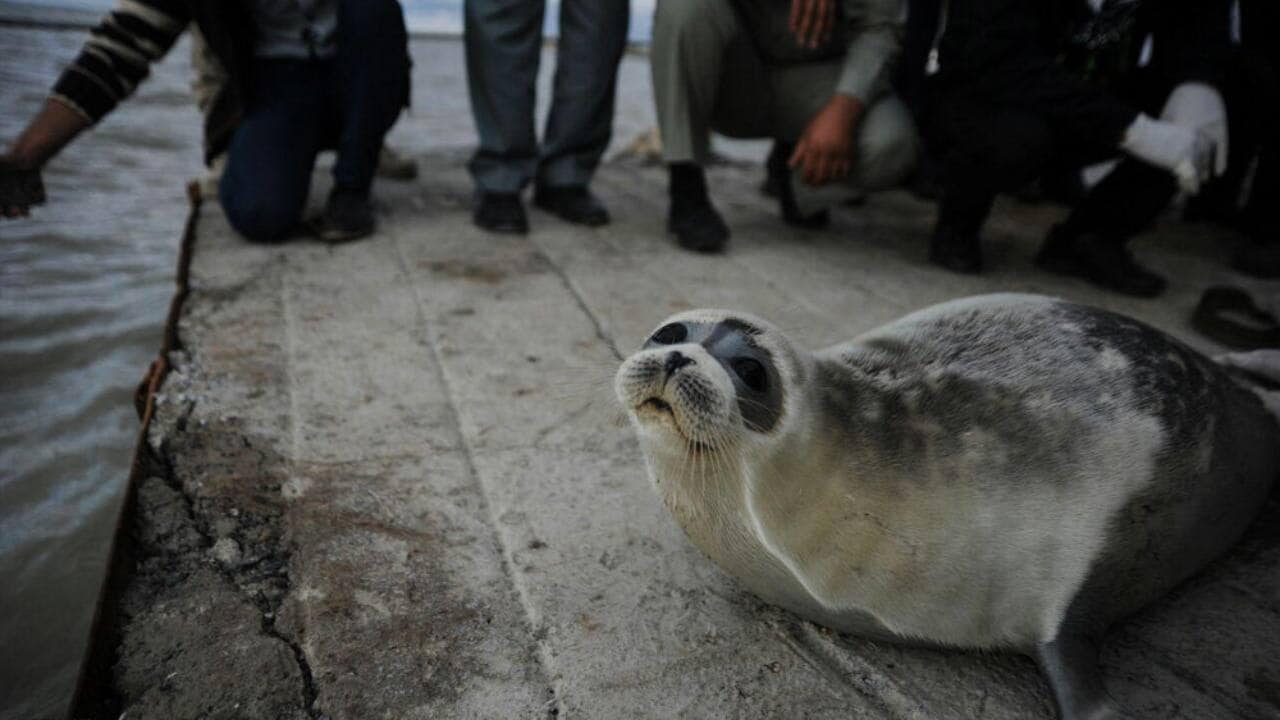
A caspian seal being returned to sea by a fishing boat at the port of Turkmenis. Image: Wikimedia Commons[/caption]The Caspian Sea, the world's largest inland body of water, is bounded by five countries: Russia, Kazakhstan, Azerbaijan, Iran and Turkmenistan.Seals have for decades suffered from over-hunting and the effects of industrial pollution in the Caspian Sea.Experts say there are now about 70,000 Caspian seals, down from more than 1 million in the early 20th century.As well as the seals and other endemic species including the famed beluga sturgeon, the Caspian Sea boasts vast energy reserves.Pollution from the extraction of oil and gas there, along with declining water levels due to climate change, pose a threat to many species and put the future of the sea itself at risk.The UN Environment Program has warned that the Caspian "suffers from an enormous burden of pollution."

US set to announce new tariff plan as temporary 10% duty nears expiry
India rejects Pakistan's 'baseless' claims at Asean, says Indus Waters Treaty to remain on hold
Indian trucker arrested in US over alleged theft of $3 million worth of tungsten powder
Austria turns Hitler’s birthplace into a police station 81 years after his death: 5 things to know
Nawaz Sharif wants to become prime minister of PoK — but laws framed by Pakistan disqualify him