


London commuters battle Tube strike as businesses lament losses
London Underground train workers were staging their second 48-hour strike this year on Tuesday in protest at job cuts and office closures in a dispute that is expected to cost businesses millions of pounds as commuters struggle to reach their work.

London: London Underground train workers were staging their second 48-hour strike this year on Tuesday in protest at job cuts and office closures in a dispute that is expected to cost businesses millions of pounds as commuters struggle to reach their work.[caption id="attachment_1501155" align="alignleft" width="380"]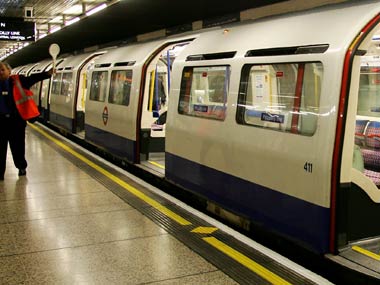 Reuters[/caption]The walk-out that started at 2030 GMT on Monday, and a planned three-day strike next week, is over plans to close about 250 ticket offices and 950 jobs in a restructuring that Transport for London (TfL) says could save 50 million pounds a year.TfL, which runs London's public transport network, says less than 3 percent of journeys on the 151-year-old Tube network involve passengers using ticket offices as most use electronic travel cards and it guarantees no one will be forced from a job.A two-day strike in February crippled the network used by about 3 million people daily as only limited services ran on some lines, forcing commuters to squeeze onto extra buses, river boats, overground trains, or cycle, walk or run to work.The Federation of Small Businesses estimated that strike cost small businesses, which make up about 99 percent of London companies, about 600 million pounds ($1 billion) in lost working hours, business and productivity."Many businesses will be rightly concerned about the potential impact five days will have," the federation's national chairman John Allan said in a statement."This is particularly unwelcome as the latest employment figures underlined that the UK economy is finally firmly back on track," he said, adding that businesses should look at contingency plans for the next action planned from 5 May.Data due on Tuesday is likely to show that Britain's economy has come within a whisker of recovering its pre-recession size.Safety and ServiceThe federation's estimate of the financial impact of the strike was based on a poll of its members that found businesses took a hit of about 1,297 pounds each due to cancelled meetings, staff absences, and difficulty transporting good and services.A second walkout planned for February was averted to let talks take place but those negotiations broke down this month and last-minute talks on Monday failed to stop further action.But this time the walk-out is just by the Rail, Maritime and Transport (RMT) union with three other unions representing rail workers not involved, having accepted a promise of no forced redundancies and that no supervisors would be forced to reapply for their own job.RMT Acting General Secretary Mick Cash said London Underground had refused to budge over the cuts, which, he said, would risk safety and damage quality of service. He has blamed rail management for the failure of the talks.Trade union experts said the success of former RMT leader Bob Crow, who died suddenly on March 11, in extracting concessions from employers through hard talk and industrial disruption has set the mould for those vying to replace him.Few business leaders had any sympathy for the walk-out.Simon Walker, director-general of the Institute of Directors, said unions cannot be opponents of modernisation."The RMT must accept that the Underground is not exempt from the need to increase efficiency and promote value for money for taxpayers and customers," he said in a statement.British Prime Minister David Cameron last week called the strike "unjustified and unacceptable", saying it would hit millions of families and cause chaos for businesses.Reuters

After Australia, New Zealand signs defence pact with Papua New Guinea as China expands in Indo-Pacific
Pakistan's deep state weaponising LeT to counter Asim Munir critic Maulana Fazlur Rehman: Report
No premium queues, 30-minute target: What changes for Indian passport applicants in UAE
'We don't need straits': Trump says Iran war isn't about Hormuz as US strikes for 12th night
Iran claims to stop three oil tankers transiting Strait of Hormuz