


Fukushima disaster: Japan deals with issue of tritium-laced water release
As Japan grapples with the aftermath of the nuclear catastrophe in Fukushima five years ago, the question of whether to dump the little-discussed substance, tritium, is brewing in the country.

Tokyo: As Japan grapples with the aftermath of the nuclear catastrophe in Fukushima five years ago, the question of whether or not to dump the little-discussed substance, tritium, is brewing in the country.The radioactive material is technically near-impossible to remove from the huge quantities of water used to cool melted-down reactors at the Fukushima Dai-ichi plant, which was wrecked by the massive tsunami in northeastern Japan in March 2011.[caption id="attachment_2724690" align="alignleft" width="380"]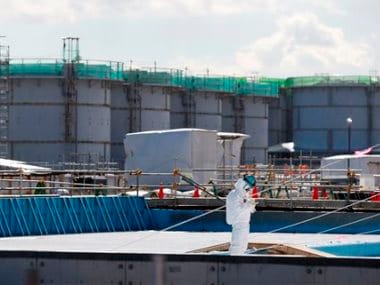 A worker takes notes in front of storage tanks for radioactive water at the Fukushima Dai-ichi nuclear plant in Okuma. AP[/caption]The water is still accumulating: 300 tons are still needed a day to keep the reactors chilled. Some is leaking into the ocean.Huge tanks lined up around the plant, at last count 1,000 of them, each hold hundreds of tons of water that have been cleansed of radioactive cesium and strontium but not of tritium.Ridding water of tritium has been carried out at the laboratory level. But it's an effort that would be extremely costly at the scale required for the Fukushima plant, which sits on the Pacific coast.Many scientists argue it isn't worth it and say the risks of dumping the tritium-laced water into the sea are minimal.Their calls to simply release the water into the Pacific Ocean are alarming many in Japan and elsewhere.Rosa Yang, a nuclear expert at the Electric Power Research Institute, based in Palo Alto, California, whoadvises Japan on decommissioning reactors, believes the public angst is uncalled for. She says a Japanese government official should simply get up in public and drink water from one of the tanks to convince people it's safe.But the line between safe and unsafe radiation is murky, and children are more susceptible to radiation-linked illness.Tritium goes directly into soft tissues and organs of the human body, potentially increasing the risks of cancer and other sicknesses.

Choke terror funding, keep international shipping lanes safe: Jaishankar at Asean Regional Forum
After Australia, New Zealand signs defence pact with Papua New Guinea as China expands in Indo-Pacific
Pakistan's deep state weaponising LeT to counter Asim Munir critic Maulana Fazlur Rehman: Report
No premium queues, 30-minute target: What changes for Indian passport applicants in UAE
'We don't need straits': Trump says Iran war isn't about Hormuz as US strikes for 12th night