


Dry winters, climate change causes Nepal to experience worst wildfires in a decade
More than 2,700 wildfires have been reported in Nepal since November, 14 times higher than in the same period last year.

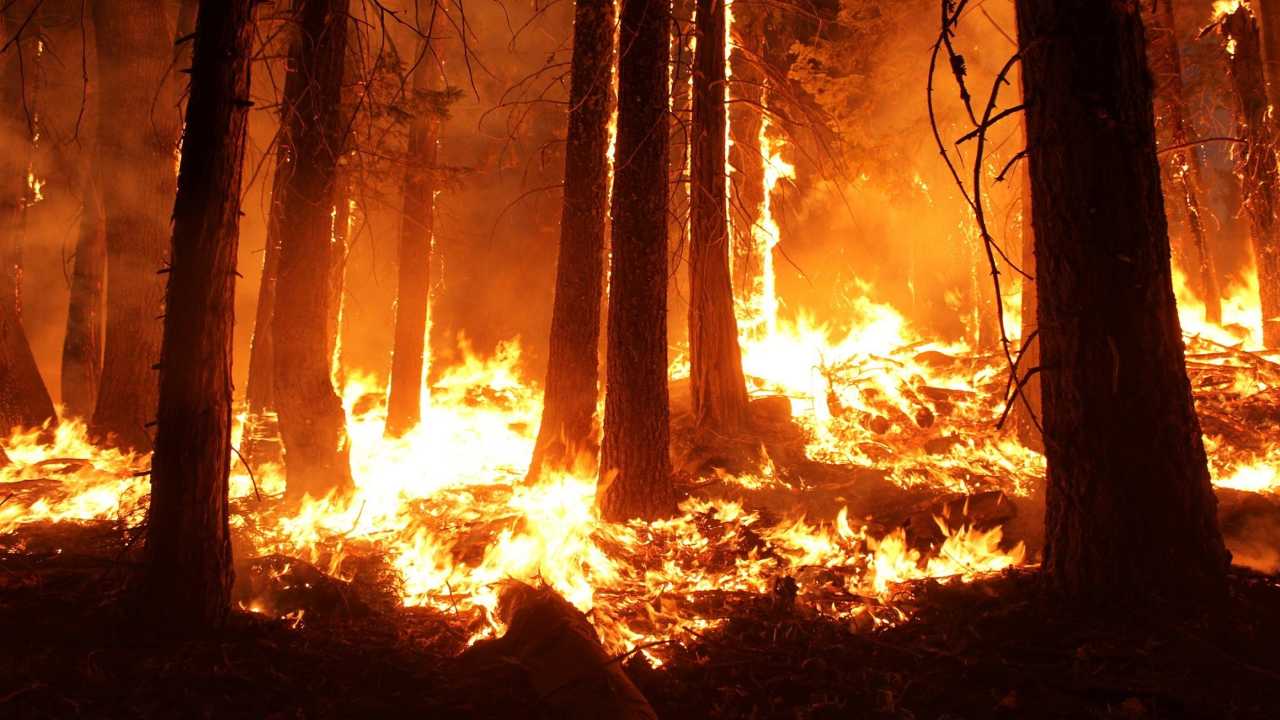
The winter season between November and February was drier than usual, increasing the risk. The wildfire season starts in November and lasts until the onset of the monsoon in June. Representational Image[/caption]Firefighters were working to bring the flames under control, officials said.More than 2,700 wildfires have been reported in Nepal since November, 14 times higher than in the same period last year, the government said.Rijal said the winter season between November and February was drier than usual, increasing the risk. The wildfire season starts in November and lasts until the onset of the monsoon in June.Farmers were also burning parts of forested land to grow grass to feed their livestock, Rijal added.In Bara district in southern Nepal, a villager said his home had been "choking in smoke" for a week as fire raged in a local forest.
"It was the worst wildfire I have seen in my life. There has to be a system to control it better," Bharat Ghale, 60, said.Climate expert Madhukar Upadhya said it was "inevitable" that there would be more wildfires as Nepal's winters become drier as a result of climate change."Work needs to be done to reduce the risk of fires at community level and they (communities) have to be equipped to mitigate it when a wildfire occurs," Upadhya told AFP.Last week, schools were shut for four days after air quality reached hazardous levels.
'We don't need straits': Trump says Iran war isn't about Hormuz as US strikes for 12th night
Iran claims to stop three oil tankers transiting Strait of Hormuz
Globe at a glance: From Houthis striking Saudi tankers in Red Sea to wildfires in Europe
Houthis claim responsibility for attack on two Saudi oil tankers in Red Sea as a new chokepoint emerges
Air India to cut Delhi-Toronto flight time by 3 hours, resume non-stop services from August 1