


Despite ban, surrogacy remains a popular choice for the poor in Cambodia
Cambodia banned surrogacy in November. But interviews conducted by AFP suggest the industry remains, albeit in the shadows.

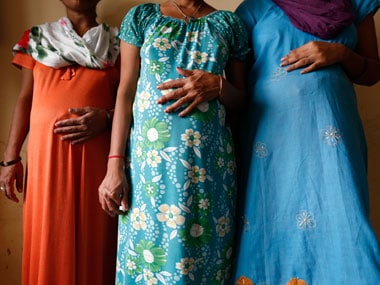
Representational image. Reuters[/caption]Last year a broker appeared outside the 60-year-old's house in Cambodia's southern Takeo province and offered her daughter USD 10,000 to be a surrogate mother for a wealthy foreign couple."My daughter immediately agreed with the offer because we are very poor," she told AFP. "They took the baby away as soon as he was born, she did not even see his face."An ongoing trial in Phnom Penh of Australian nurse Tammy Davis-Charles on charges of running an illegal surrogacy business has shone a spotlight on Cambodia's role in the rented womb trade.It is a little-regulated industry that pairs wealthy foreign couples desperate for a child — paying as much as USD 50,000 — with some of the world's most vulnerable women.The enterprise has sparked a regulatory game of cat and mouse as poorer nations move to halt the trade only to see it resurface or appear across their borders.One-by-one countries that had been popular surrogacy destinations like India, Nepal and Thailand have banned the trade.Cambodia did the same in November. But interviews conducted by AFP suggest the industry remains, albeit in the shadows.Cambodia is one of Asia's poorest countries with an average annual income of just USD 1,150. Nine months of surrogacy might bring in as much as nine years salary.

India rejects Pakistan's 'baseless' claims at Asean, says Indus Waters Treaty to remain on hold
Indian trucker arrested in US over alleged theft of $3 million worth of tungsten powder
Austria turns Hitler’s birthplace into a police station 81 years after his death: 5 things to know
Nawaz Sharif wants to become prime minister of PoK — but laws framed by Pakistan disqualify him
Fake jobs, tourist visas: Inside Russia’s vast network luring foreigners to fight Ukraine war