


Australian PM Turnbull's popularity drops ahead of elections
Asked about the poll, Turnbull told reporters his Liberal Party-led government had "a clear economic plan for jobs and growth.

Canberra: — Australian Prime Minister Malcolm Turnbull's popularity dipped slightly in a poll published Monday two weeks into what appears to be a tight campaign ahead of 2 July general elections.Some 46 percent said they preferred Turnbull over opposition leader Bill Shorten, down 3 percentage points from the last poll two weeks ago, according to the survey by Sydney-based market researcher Galaxy.Shorten's popularity, meanwhile, climbed 4 percentage points to 31 percent, with 23 percent of respondents uncommitted.The latest poll showed a close race, with 51 percent of the respondents intending to vote for the opposition Labor Party and 49 per cent for the government. That result was within the survey's 2.4 percentage point margin of error. It is the fourth consecutive poll in the so-called Newspoll series conducted at two-week intervals to record the identical Labor lead[caption id="attachment_2794276" align="alignleft" width="380"]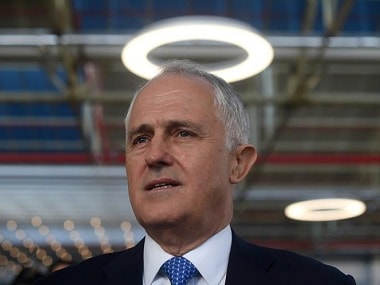 A file photo of Australian prime minister Malcolm Turnbull. Reuters[/caption]Asked about the poll, Turnbull told reporters his Liberal Party-led government had "a clear economic plan for jobs and growth — that's the key to our future." He said Shorten has "a plan for spending and spending and spending. He doesn't know how to pay for it."If Labor wins the election, Shorten would become Australia's fifth prime minister in just over three years.Shorten, meanwhile, said his party would struggle to increase its 55 seats in the 150-seat House of Representatives to the majority required to form government."Labor's clearly the underdog in this election. It's a steep climb to win north of 20 seats," Shorten told reporters.The poll was based on a weekend nationwide survey of 1,709 voters.

Nawaz Sharif wants to become prime minister of PoK — but laws framed by Pakistan disqualify him
Fake jobs, tourist visas: Inside Russia’s vast network luring foreigners to fight Ukraine war
As Pakistan eyes American dollar for Iran mediation, economists sound the alarm: ‘It can buy time, not growth’
Are Chinese UN peacekeepers spies? Trump’s UN envoy sends out a warning
Why has Bangladesh’s choice of India spokespersons raised eyebrows?