


Article 13: EU passes controversial new copyright law that will affect internet as we know it; will it impact India?
EU's passing of the law will come as a huge disappointment for internet freedom activists.

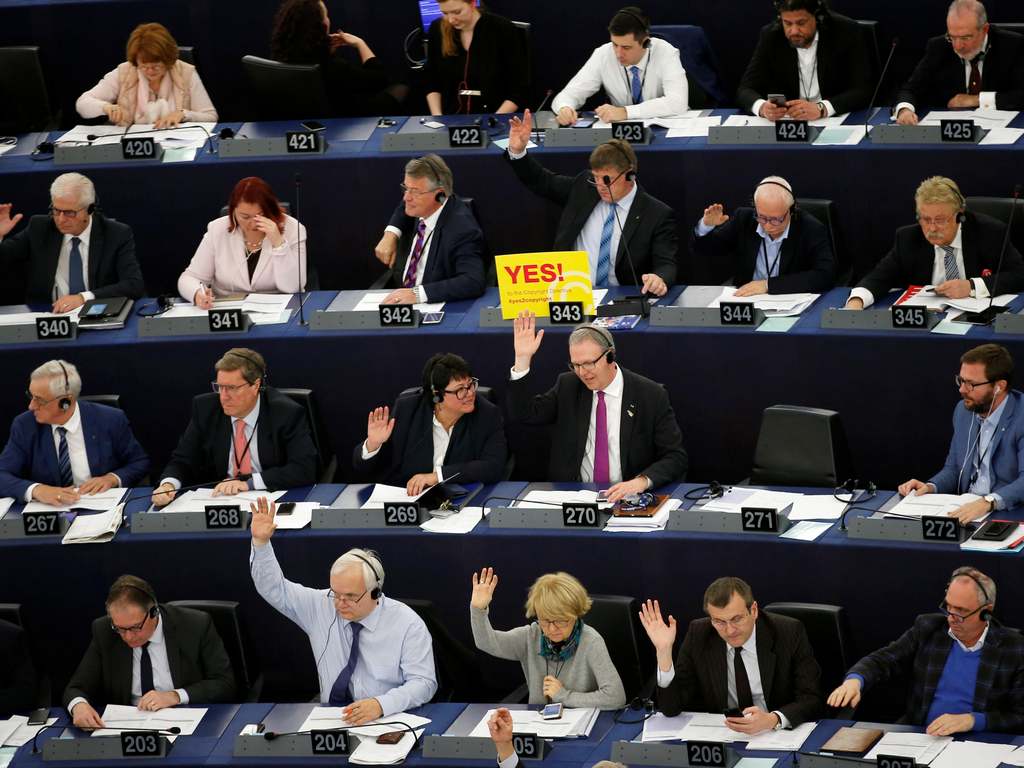
Image: Reuters[/caption]The Directive, officially known as the Directive on copyright in the Digital Single Market, had met with major protests from internet activists, such as the Electronic Frontier Foundation, due to the restrictive impact it will have on publications. The law, however, primarily impacts publication and related activities within EU, and will not affect publications elsewhere.For those wondering about the impact the law has for India, its main impact will be for content creators or service providers with a European audience, who will now need to ensure that their content adheres to the requirements of the new law.
What is Article 13?
Failure of content filtering systems like Content ID
While the aim of the law may be the benefit of copyright holders, the main concern is with how it will be implemented in practice. To understand the difference the law makes, first consider a streaming service like Spotify, where the content that is uploaded is licensed. Compare this with YouTube, which allows the upload of a wide range of content, which may or may not be licensed, and may include a wide range of works that fall into exemptions or grey areas under copyright law. This can include memes, parody, critiques, educational content, use of works in the public domain, etc.The primary concern of foundations like the EFF are that given the huge volumes of content that is uploaded per second on platforms like YouTube, the primary method that will be resorted to comply with the new law will be through automated content monitoring and filtering systems like ContentID. Years of experience with ContentID has shown that it is just as likely to flag legal content, as it is illegal content. Of particular concern is with content that falls into the exemptions or grey areas of copyright laws, and the limitations of such automated systems in identifying such content as fair use.[caption id="attachment_6332341" align="alignnone" width="1280"]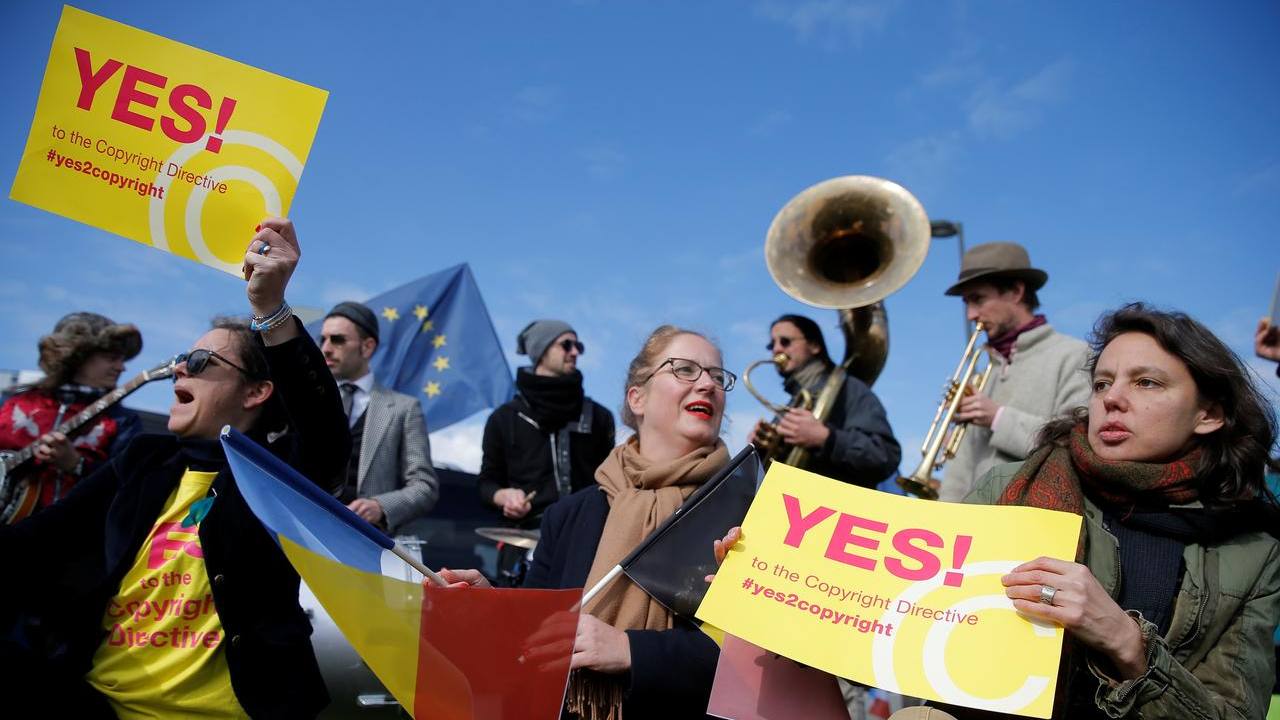
Image: Reuters[/caption]It may, for instance, flag personal content like a home video that has a copyrighted song playing in the background, the upload of a picture of a book (since the cover is copyrighted), the creation of memes, even the use of content that is in the public domain or under free or open source licensing, etc..An example of this is this report of how the system flagged videos using NASA’s Mars videos, which are in the public domain, but were claimed as copyrighted content by someone. Another particular concern of users is that the system of recourse against such flagging is inadequate.
Large-scale monitoring and likely censorship
Impact globally and for India
Since this is an EU law, its impact is territorially limited to the EU, and its main impact will be for the provision of access to such content, by service providers, within the EU. India and other countries, however, will not be completely immune from its effects, since the global nature of the internet means that many in these countries will have a European base, which they cannot afford to lose.An example is of content creators with a large European audience, who will now have to ensure that any content they create does not fall afoul of the systems adopted by the tech companies to deal with the content they host. Similarly, any Indian hosting provider, app, website, or other service provider that provides access to online content, will have to ensure compliance with the new law in relation to the content that can be accessed in the EU.Such persons or the tech companies may thus need to differentiate between content that can be accessed from the EU and content accessed from elsewhere. Apart from this, if the tech companies decide to implement the technologies like content filters at a global level, as opposed to an EU level, then any content uploaded anywhere will meet with the same issue.
Safeguarding free speech and other rights
[caption id="attachment_6031241" align="alignnone" width="1280"]
A woman hovers a mouse over the Google and European Union logos. Image: Reuters[/caption]Evidence is arising time and again of the changing role of intermediaries in relation to content, such as the draft Indian intermediary guidelines which requires automated content filtering. It is a concern that these new laws, in their bid to impose more liability on such companies and to ensure the removal of illegal content, are often failing to adequately account for other factors like protecting the rights of the people (like free speech), as well as providing adequate recourse against the failures of the systems adopted to implement the law. Without this, instead of safeguarding the rights of the people, such laws may land up leading to their infringement.The passing of the law will come as a huge disappointment for internet freedom activists. The main concern at this stage will be to see what form the law takes when it is enacted by national governments, such as whether there will be any additional safeguards, and to see thereafter what measures tech companies take to implement the law.The author is a lawyer specialising in technology, privacy and cyber laws.

'We don't need straits': Trump says Iran war isn't about Hormuz as US strikes for 12th night
Iran claims to stop three oil tankers transiting Strait of Hormuz
Globe at a glance: From Houthis striking Saudi tankers in Red Sea to wildfires in Europe
Houthis claim responsibility for attack on two Saudi oil tankers in Red Sea as a new chokepoint emerges
Air India to cut Delhi-Toronto flight time by 3 hours, resume non-stop services from August 1