


Aimed at securing Australia's future, defence spending will rise to two percent of GDP
Australia will raise defence spending to two percent of its gross domestic product (GDP) over the next seven years in a formal announcement to be made by Prime Minister Malcolm Turnbull later this week.

Canberra: Australia will raise defence spending to two percent of its gross domestic product (GDP) over the next seven years in a formal announcement to be made by Prime Minister Malcolm Turnbull later this week.[caption id="attachment_2643218" align="alignleft" width="380"]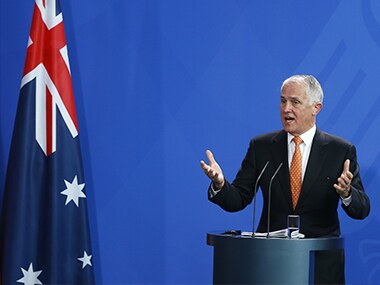 Malcolm Turnball, Reuters[/caption] Talking to the media on Wednesday, Turnbull said the investment, to be revealed as part of the long-anticipated Defence White Paper, would serve Australia for "decades" to come, reported a news agency."The paper sets out the plan for Australia's defence, security and investment. It's focused on securing our nation decades into the future," said Turnbull."It is a thoroughly, carefully, fully costed document and in that sense it is very different to the last paper."In the paper, the government intends to raise defence spending to 2 percent of the nation's GDP by 2023 - a plan initially laid out by former prime minister Tony Abbott. According to experts, this would result in almost one trillion dollars ($710 billion) being put into defence over the next 10 years.Turnbull said the cost of the Defence White Paper was justified as it would set a higher standard for Australia's armed forces."It will set out how we will give our Defence forces the resources they need, the capabilities they need, to keep us safe and to ensure that we play our part in delivering and ensuring regional security," Turnbull said.The Defence White Paper was last updated by former Prime Minister Julia Gillard in 2013.IANS

Nawaz Sharif wants to become prime minister of PoK — but laws framed by Pakistan disqualify him
Fake jobs, tourist visas: Inside Russia’s vast network luring foreigners to fight Ukraine war
As Pakistan eyes American dollar for Iran mediation, economists sound the alarm: ‘It can buy time, not growth’
Are Chinese UN peacekeepers spies? Trump’s UN envoy sends out a warning
Why has Bangladesh’s choice of India spokespersons raised eyebrows?