


Well-preserved fossil of a woolly mammoth has been discovered in a Siberian lake
The faeces of the mammoth will contain a lot of information about the 'mammoth's diet as well as the pollen of ancient plants and a lot more'.

After a five-day-long search, scientists have managed to retrieve the bones and faeces of a woolly mammoth from a shallow lake in Siberia. Almost 90 percent of the animal has been found.
Two expeditions were conducted in the silt of Lake Pechenelava-To in the Yamal peninsula to discover the well-preserved parts of the ancient animal, reported The Siberian Times.
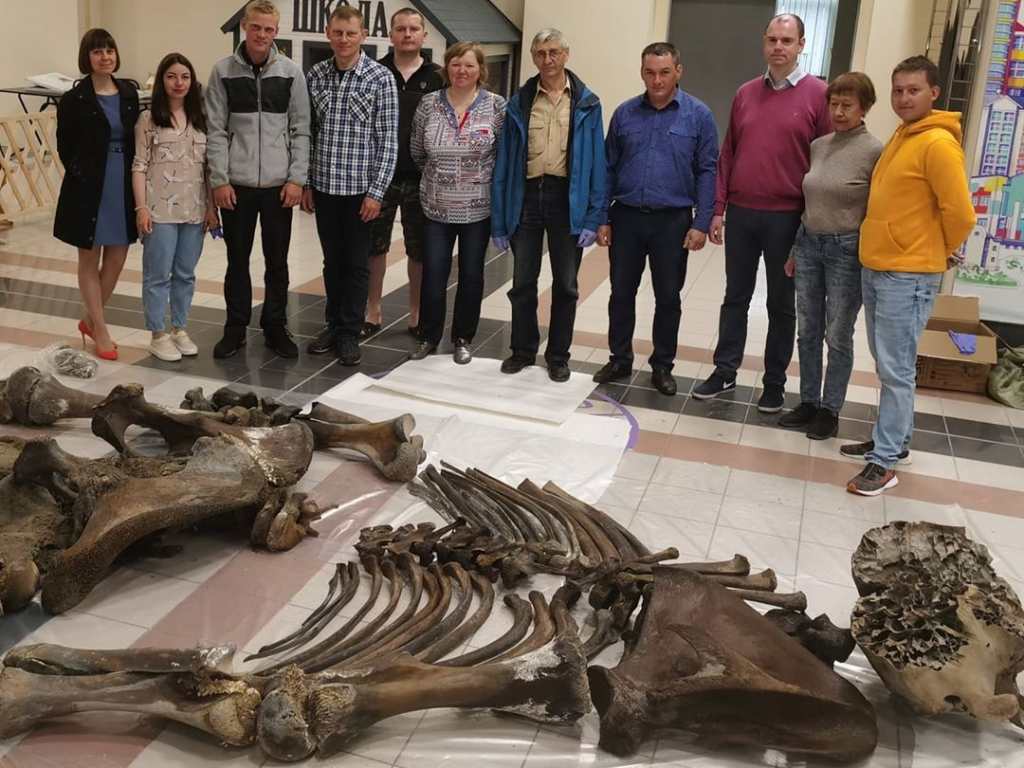
The bones and faeces of a woolly mammoth has been discovered from a shallow lake in Siberia. Image credit: Instagram/mvk.yanao[/caption]Also, it is quite rare to come across the excrement of an animal this near to the body itself. The faeces or the coprolite can give information about the diet of the woolly mammoth. The scientists from the Arctic Research Center of the Yamal-Nenets Autonomous District are sure that the fossilized faeces belonged to the mammoth.
Dmitry Frolov, head of the centre, told The Siberian Times that the coprolite was definitely left by this very mammoth and it was a very good find, as "it can contain a lot of information about the mammoth's diet as well as the pollen of ancient plants, and a lot more".The adult mammoth (15 to 20 years old) skeleton is the third one to be found in the Yamal peninsula and is likely to be named Tadibe - after the hard work put in locals Konstantin, Yakov and Alexander Tadibe from the village of Seyakha, who had made the discovery in the first place. The animal was about 10 feet tall and an adult male.
 More from Science
Earlier, the world's best-preserved woolly mammoth calf called Lyuba and Masha, a calf found in 1988, were discovered from the peninsula.

Careless Whispers: Scientists discover that plants can 'talk' to each other using smells
Life on Mars? European Space Agency’s Orbiter discovers ice water deposits at equator
Microsoft briefly overtakes Apple as the most valuable company, Apple back on top again
Even NASA is facing a tough time, starts layoffs following major budget cuts
ISRO, NASA's NISAR satellite to get ready by Jan-end, will monitor Earth's snow-covered regions