


Urbanization, changing cropping patterns contributing to temperature rise: study
Change in land use and land cover is responsible for half of this rise in temperature.

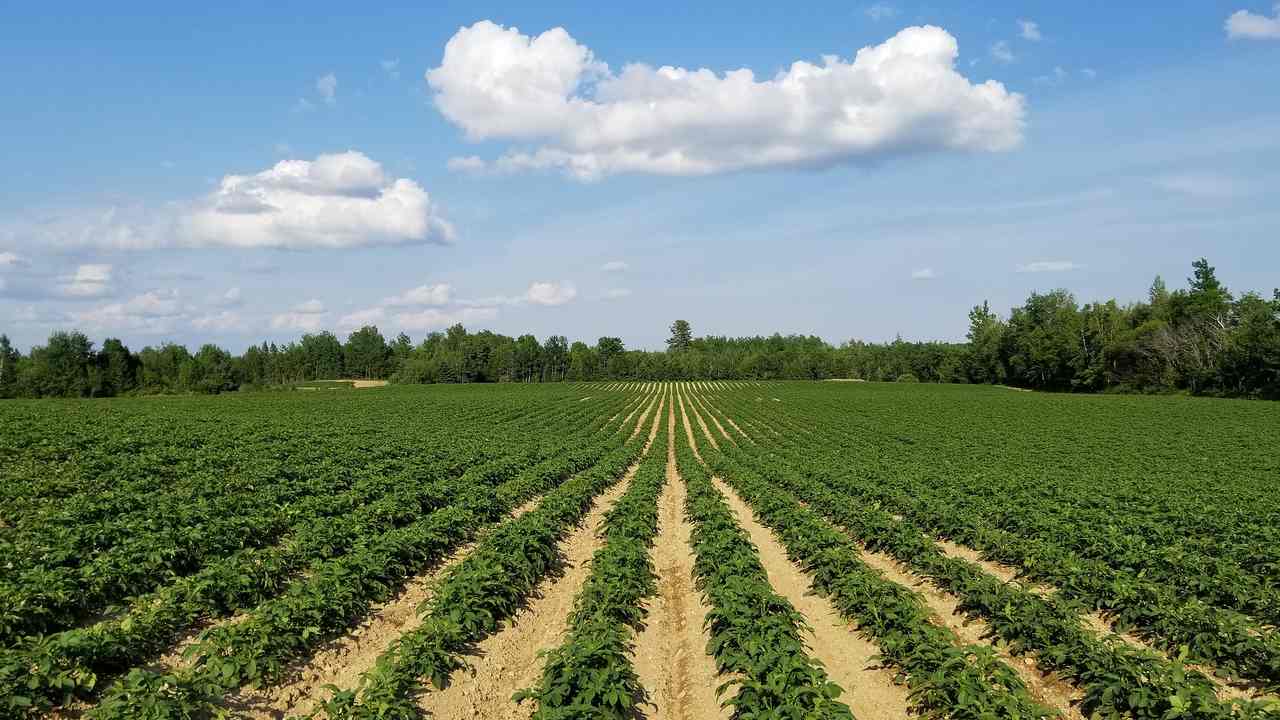
Representational image. Credit: Pixabay[/caption]“We have found that regions having the largest land use and land cover induced warming coincided with those regions where cropping patterns are altered. Mostly a shift from Kharif to rabi has led to warming of up to 30 percent,” explained Dr V. Vinoj, a researcher at IIT Bhubaneswar, while speaking to India Science Wire.Rabi crop cultivation has increased by 97 percent in Odisha between 2004 and 2010. There has been a decrease in Kharif crops, reflecting agricultural diversification and changing cropping patterns. Changes in soil moisture content affects land surface temperature.“Between 25 to 50 percent of warming is due to a change in land use as a consequence of both changing cropping patterns and urbanization. In addition, urban areas show warming that is double that of the rural areas”, added Dr Vinoj.The rise in temperature in any location is a combination of effects that are local in origins such as deforestation and urbanization and those that are forced externally as part of global or regional changes. Emission reduction must be the main goal, but planned and sustainable agricultural and forestry management to are very critical, according to the researchers.The study team included Partha Pratim Gogoi, Dr V. Vinoj, D. Swain, G. Roberts, J. Dash, and S. Tripathy. The research results have been published in the journal Scientific Reports.

Careless Whispers: Scientists discover that plants can 'talk' to each other using smells
Life on Mars? European Space Agency’s Orbiter discovers ice water deposits at equator
Microsoft briefly overtakes Apple as the most valuable company, Apple back on top again
Even NASA is facing a tough time, starts layoffs following major budget cuts
ISRO, NASA's NISAR satellite to get ready by Jan-end, will monitor Earth's snow-covered regions