


Travel to Mars might not be the best thing for the human mind, new study finds
Research conducted on male mice for six months found they faced issues with memory, learning and anxiety.

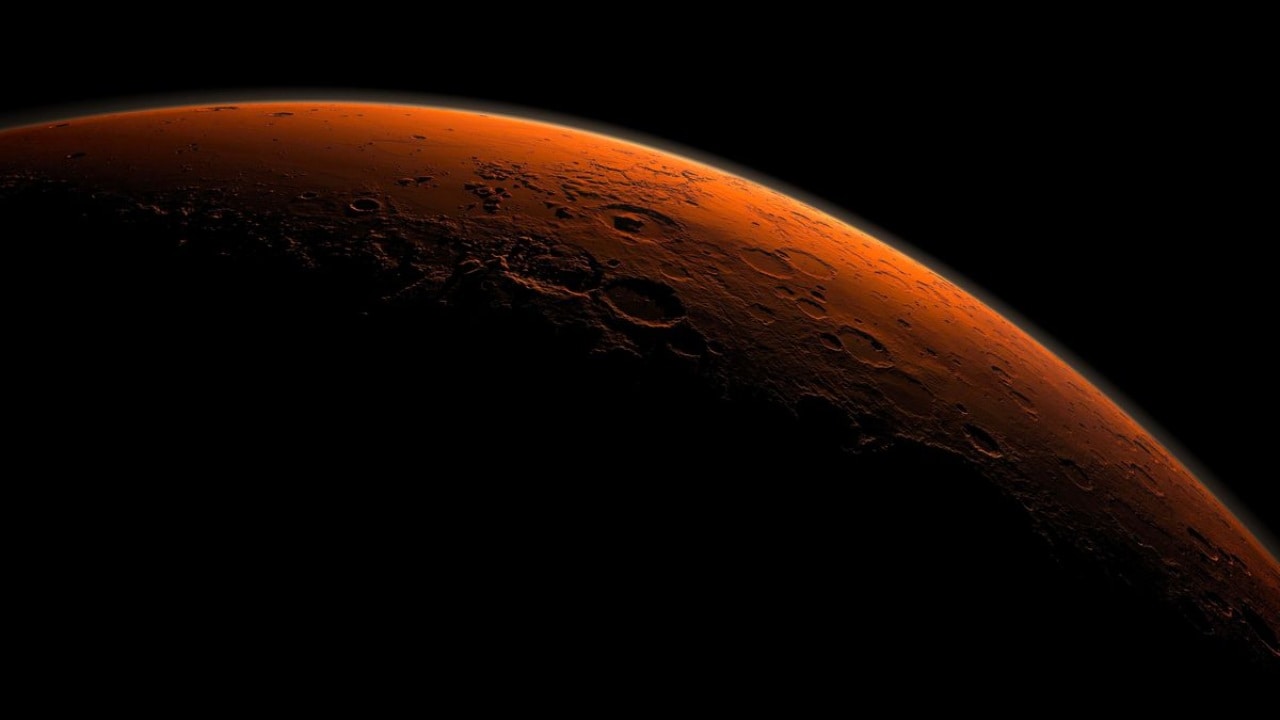
Travel to Mars exposes human beings to more intense radiation than that on the ISS.[/caption]The researchers believe that one in five astronauts would face anxiety. One in three would have to deal with memory issues and all of them would struggle to make decisions, which is important when you're off to settle on another planet.Limoli said that the best of shields can only offer limited protection from the radiation that would come on the journey to Mars.The famous NASA twin study, conducted on twin astronauts Scott and Mark Kelly, also studied the effects of space on the human body. They sent Scott to the ISS for one year. Mark, his twin remained on earth. Being twins, they were genetically very similar, allowing scientists unprecedented access to a control subject for studying the effects of long-term space travel.Scott Kelly's body was found to have developed several issues related to muscle and bone strength, not to mention damage to cells. However, they found that within six months, Scott’s body returned to normal and there were no long-term side effects. This test was limited to the long-term effects of low gravity environments.But it is not the same as going to Mars. The astronauts that live on the ISS aren’t faced with the same level of radiation as those that would go into deep space. The ISS is protected because it exists in low Earth orbit (LEO).There is a shield protecting the Earth from high energy particles (radiation) in space. This natural, impenetrable barrier appears to be extremely effective. It's based on a phenomenon termed as 'plasmaspheric hiss', which is a low-frequency electromagnetic wave absorbs high-energy particles. This phenomenon sounds like a hiss, hence the term.This barrier is extremely rigid and nigh impenetrable when it comes to high-energy electrons, which struggle to come closer than 11,000 km to the Earth's surface.The findings from this study were published in the journal eNeuro.

Careless Whispers: Scientists discover that plants can 'talk' to each other using smells
Life on Mars? European Space Agency’s Orbiter discovers ice water deposits at equator
Microsoft briefly overtakes Apple as the most valuable company, Apple back on top again
Even NASA is facing a tough time, starts layoffs following major budget cuts
ISRO, NASA's NISAR satellite to get ready by Jan-end, will monitor Earth's snow-covered regions