


Touchdown! Japan's Hayabusa2 spacecraft releases MASCOT lander on asteroid Ryugu
Hayabasu2 will hover over an artificial crater and collect samples from MASCOT using an extended arm.

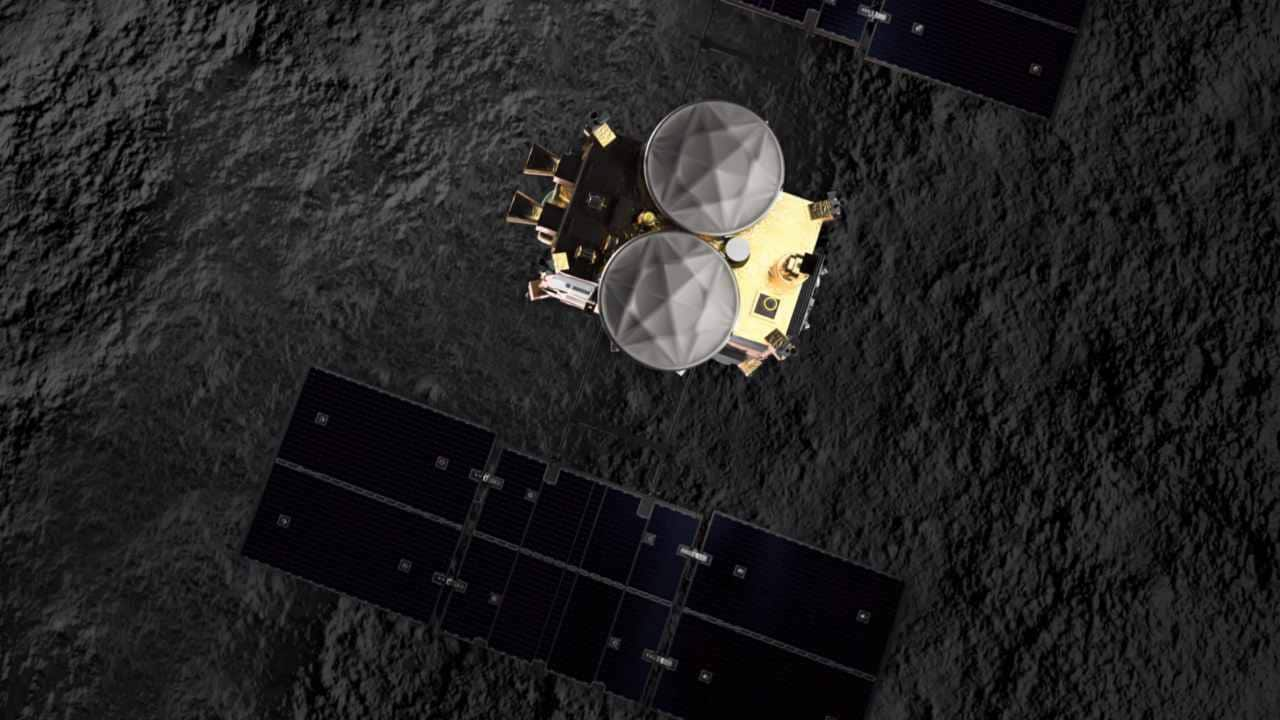
Representational image. DLR[/caption]The probe will then hover over the artificial crater and collect samples using an extended arm.The samples of "fresh" materials, unexposed to millennia of wind and radiation, could help answer some fundamental questions about life and the universe, including whether elements from space helped give rise to life on Earth.Part of MASCOT's mission is to collect data that will help determine where the crater should be created.Hayabusa2, about the size of a large fridge and equipped with solar panels, is the successor to JAXA's first asteroid explorer, Hayabusa — Japanese for falcon.That probe returned from a smaller, potato-shaped, asteroid in 2010 with dust samples despite various setbacks during an epic seven-year odyssey and was hailed as a scientific triumph.The Hayabusa2 mission, which costs around 30 billion yen ($260 million), was launched in December 2014 and will return to Earth with its samples in 2020

Careless Whispers: Scientists discover that plants can 'talk' to each other using smells
Life on Mars? European Space Agency’s Orbiter discovers ice water deposits at equator
Microsoft briefly overtakes Apple as the most valuable company, Apple back on top again
Even NASA is facing a tough time, starts layoffs following major budget cuts
ISRO, NASA's NISAR satellite to get ready by Jan-end, will monitor Earth's snow-covered regions