


Tiny cell-sized robots can now be produced in thousands using this new technique
The technique could make tiny, intelligent devices that can do what one alone couldn't: Researcher.

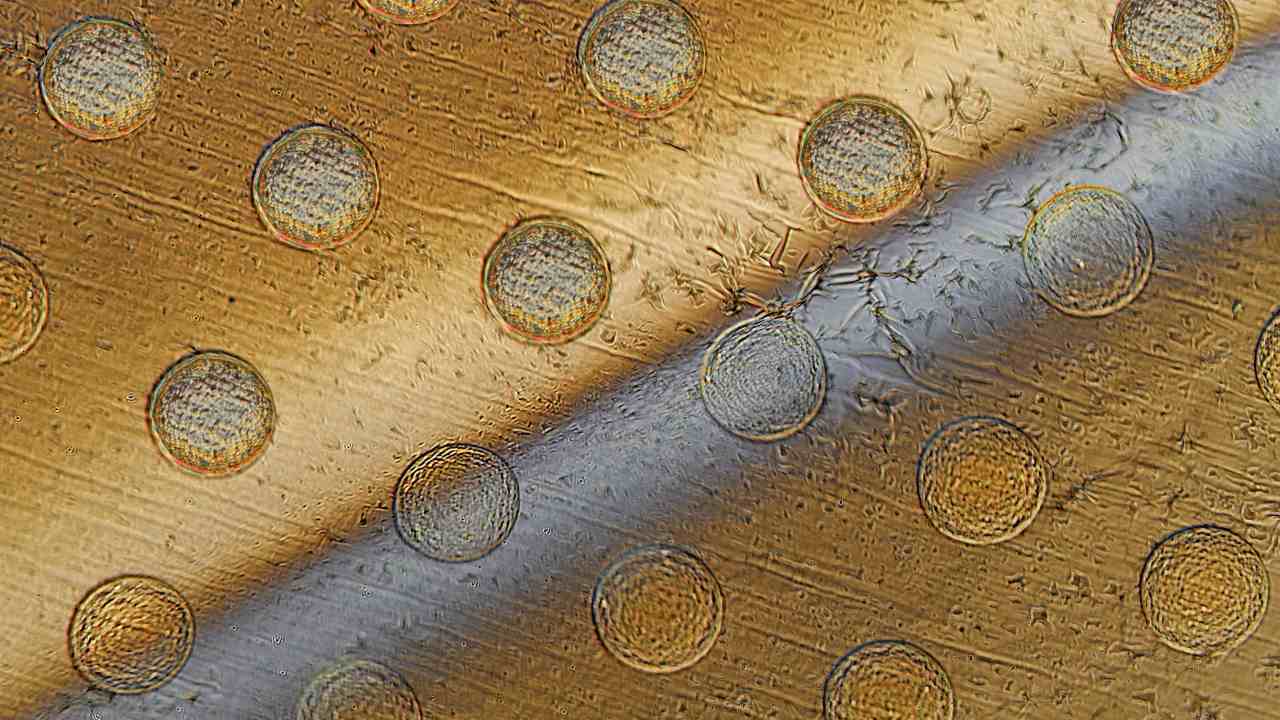
Syncells made by 'autoperforation'. Image courtesy: MIT[/caption]The outer layer of the syncells was made using graphene. Atom-size thick sheet of graphene were created and laid flat on a surface. On the sheet, a sophisticated printer embedded tiny dots of microelectronic devices suspended in a gel-like polymer. This was topped with a second graphene layer which, like the first, was atom-thick.The spots on the sheet where graphene sat on the polymer dots were easily distinguished — they had higher strain. The graphene sheet fractured around these circular “pillars” and formed a neat, round “pita pocket” of graphene with the polymer sealed inside, the researchers told university press.The edges of graphene from the two sheets interacted with atoms of its own kind from the other sheet, which caused them to fracture and envelop the polymer naturally. This form of controlled fracture isn’t unique to graphene, and worked with compounds like molybdenum disulphide and hexagonal boronitride just as well, the study found."The advantage here is that this is essentially a single step,” in contrast to many complex clean-room steps needed by other processes to try to make microscopic robotic devices, Dr Michael Strano, lead author of the study, told university press.

Careless Whispers: Scientists discover that plants can 'talk' to each other using smells
Life on Mars? European Space Agency’s Orbiter discovers ice water deposits at equator
Microsoft briefly overtakes Apple as the most valuable company, Apple back on top again
Even NASA is facing a tough time, starts layoffs following major budget cuts
ISRO, NASA's NISAR satellite to get ready by Jan-end, will monitor Earth's snow-covered regions