


The third and final solar eclipse of 2018 is coming up — with strings attached
The eclipse will be visible only in the Northern hemisphere, best from a few places near the Pole.

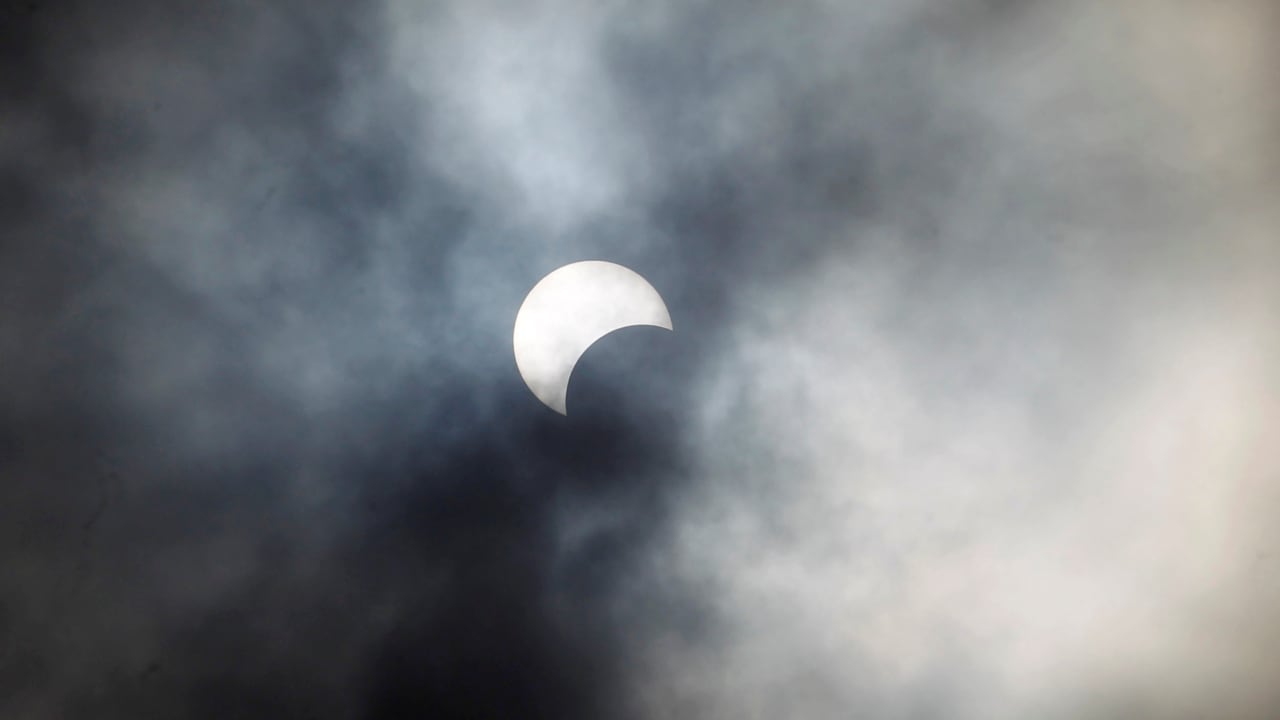
Representational Image. Reuters[/caption]The climax of a partial eclipse — when the maximum area of the moon's shadow falls on the Earth — happens to also be when the sun is closest to the Earth's horizon; the Earth's horizon, in this case, being be the closest point on Earth facing the Sun at any given time.The eclipse officially begins at 1.32 pm IST with the moon entering the Sun's disk, casting an early shadow over Greenland. It will continue to brush over Northern Europe, Iceland and the North Pole, covering most of Russia in a transient shadow before dipping down in China's horizon.The eclipse will be at it's maximum coverage at 3:15 pm.Space explains that the event this year will largely be for the eyes of those in the Northern Hemisphere, visible only from a handful of place near the North Pole. While eclipse-chasers in India won't be as lucky this time, views of the partial eclipse from the North and South poles are expected to be unbeatable.If by luck or travel, you do happen to sneak a peak, don't forget protective eye-wear. Some safety glasses to avoid damage to yours eyes, and a filter onto your photography equipment before the eclipse begins.

Careless Whispers: Scientists discover that plants can 'talk' to each other using smells
Life on Mars? European Space Agency’s Orbiter discovers ice water deposits at equator
Microsoft briefly overtakes Apple as the most valuable company, Apple back on top again
Even NASA is facing a tough time, starts layoffs following major budget cuts
ISRO, NASA's NISAR satellite to get ready by Jan-end, will monitor Earth's snow-covered regions