


Swiss startup ClearSpace signs contract with ESA to make space debris-free
The mission, ClearSpace-1, is to find and capture Vespa’s upper stage left in orbit after Vega's launch in 2013.

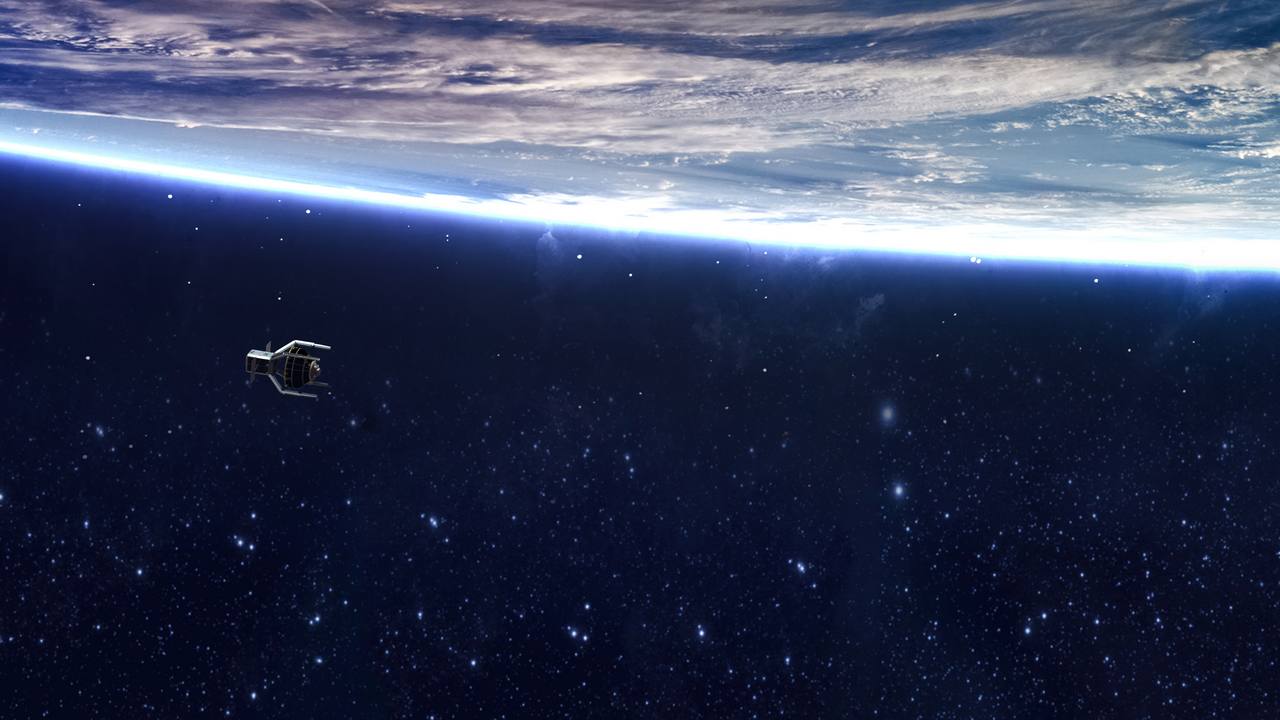
Artist impression of ClearSpace-1 with the captured Vega spacecraft in space. Image credit: ESA[/caption]Currently, there are more than 4,000 satellites orbiting the Earth and other planets.There are ways to deal with this space junk — one is to allow it to let it fall into the Earth's atmosphere and burn up. Or you can let it fall into the Pacific Ocean which is also called a 'spacecraft cemetery'. The third option is to send it further away from Earth. While these options work, not everyone follows it.With the space race catching on, more and more countries are starting to send their satellites into space.“Imagine how dangerous sailing the high seas would be if all the ships ever lost in history were still drifting on top of the water,” says ESA Director General Jan Wörner in a statement. “That is the current situation in orbit, and it cannot be allowed to continue. ESA’s Member States have given their strong support to this new mission which also points the way forward to essential new commercial services in the future.”Luc Piguet, founder and CEO of ClearSpace said in a statement, “In the coming years, the number of satellites will increase by an order of magnitude, with multiple mega-constellations made up of hundreds or even thousands of satellites planned for low Earth orbit to deliver wide-coverage, low-latency telecommunications and monitoring services. The need is clear for a ‘tow truck’ to remove failed satellites from this highly trafficked region.”
ClearSpace-1 mission objectives
The mission of ClearSpace-1 is to find and capture ESA's Vespa’s (VEga Secondary Payload Adapter) upper stage. It was left in an 800 km by 660 km altitude orbit after the launch of Vega in 2013. The upper stage weighs around 100 kg and is an easy enough first target to test the mission. It will include a ‘chaser’ that will chase Vespa’s upper stage and will capture it using a quartet of robotic arms. The chaser will first be launched into a 500 km orbit where it will be tested and if things go smoothly, its orbit will be raised.Vega is an expendable launch system in use by Arianespace, a commercial launch service provider, that was jointly developed by the Italian Space Agency and ESA.ESA has not said anything about the debris that might come out from this mission and what will they be doing to deal with it.The mission was accepted at Space19+, ESA’s Ministerial Council that took place in Spain this November. The project is expected to begin in March next year

Careless Whispers: Scientists discover that plants can 'talk' to each other using smells
Life on Mars? European Space Agency’s Orbiter discovers ice water deposits at equator
Microsoft briefly overtakes Apple as the most valuable company, Apple back on top again
Even NASA is facing a tough time, starts layoffs following major budget cuts
ISRO, NASA's NISAR satellite to get ready by Jan-end, will monitor Earth's snow-covered regions